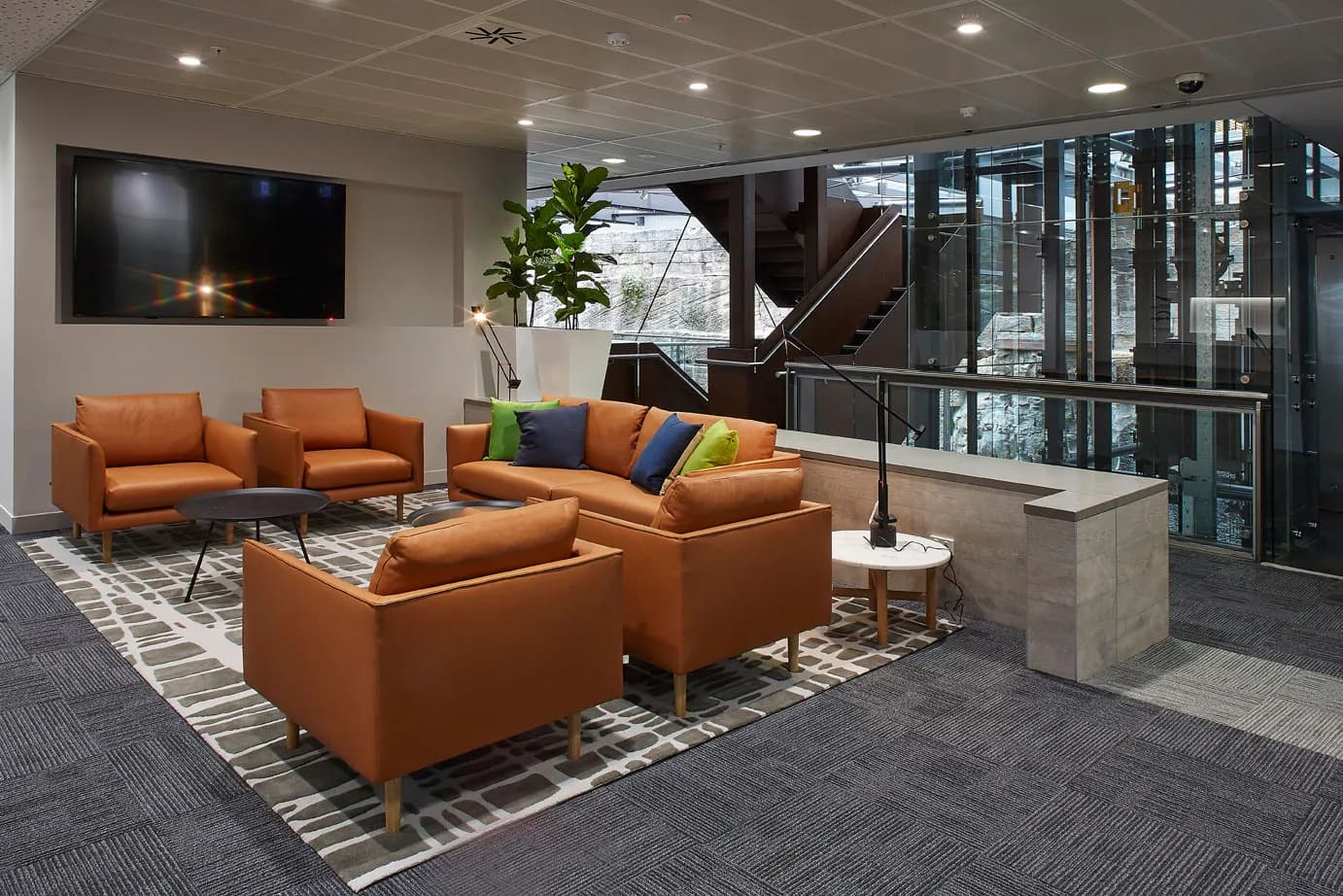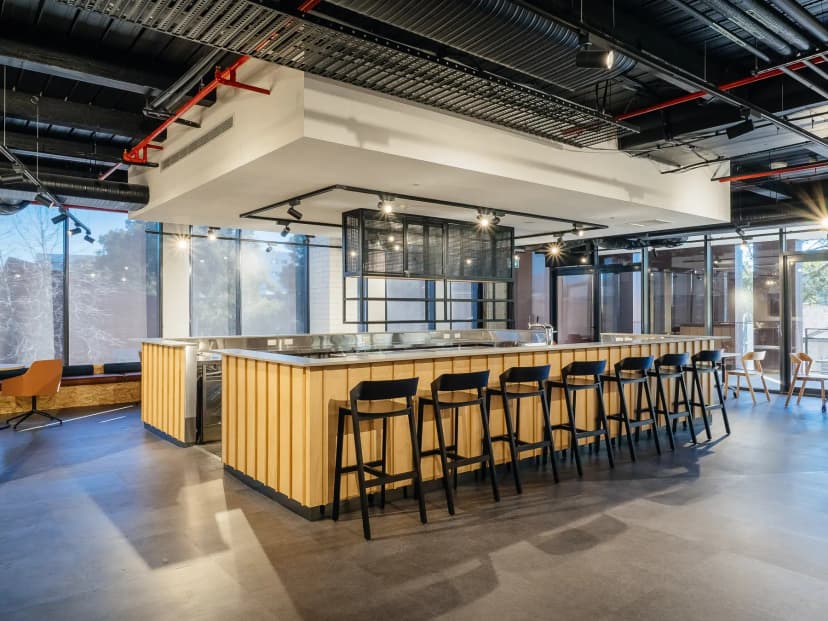
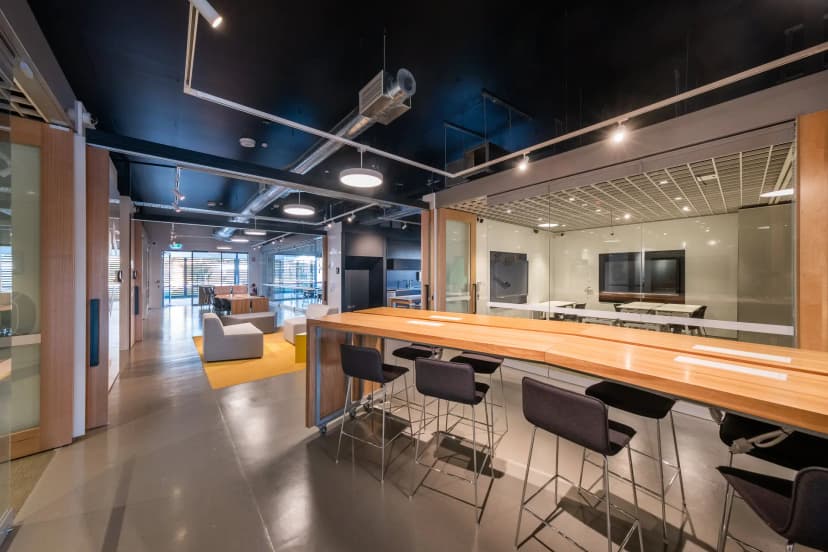
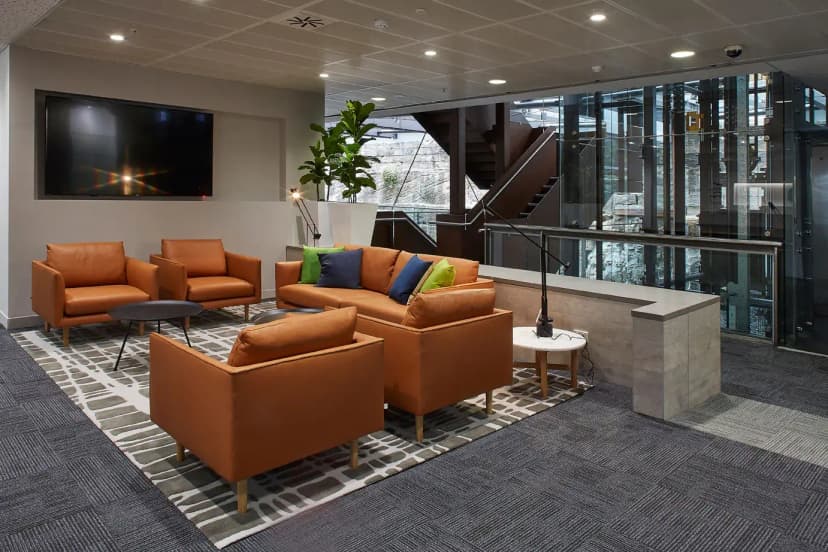
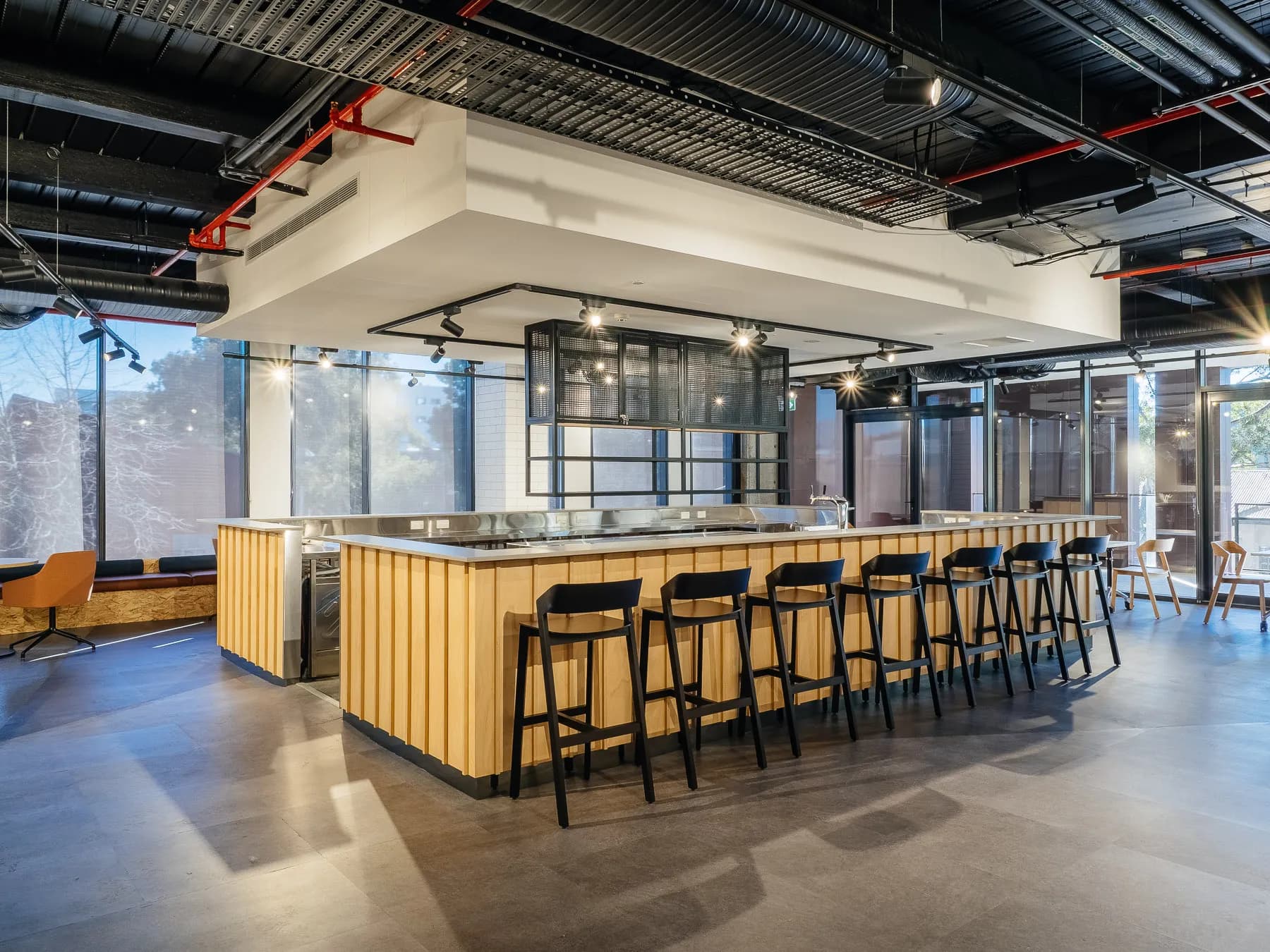
William Angliss Institute Commercial Fitout
Alexandria, Sydney

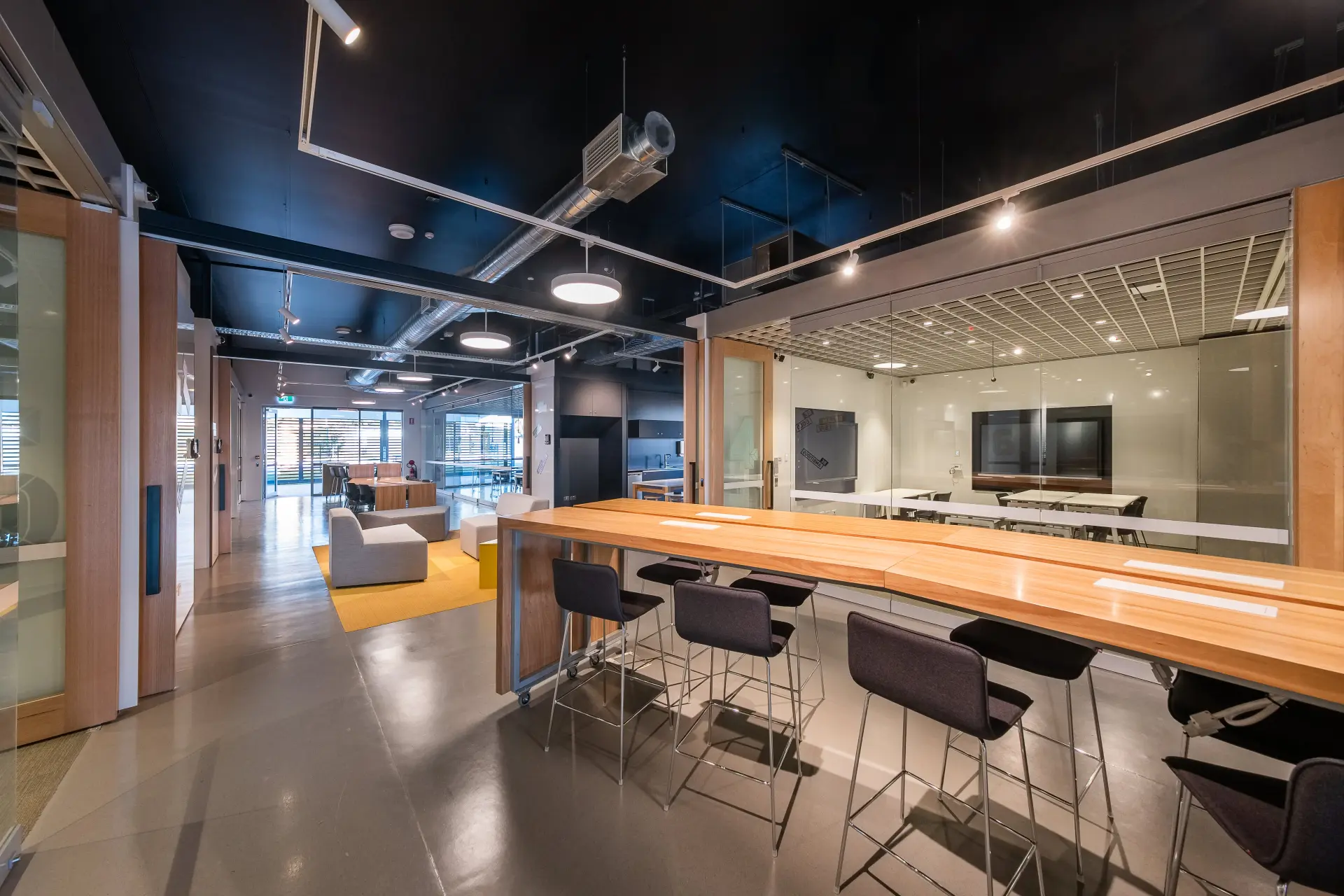
Six scenarios from Sydney commercial projects. The model rewards a settled brief and a fixed completion date, and punishes a brief still being worked out.
Design and construct is a procurement model rather than a type of building work, so the question is not whether it is better but whether it suits your project. These are the situations where it earns its place, and the ones where it does not.
A lease commencement or a board-mandated move-in date. Construction can start on early design packages while later ones are still being documented.
No argument about whether a defect is a design fault or a construction fault, because the same contractor owns both.
Where the architecture is the deliverable, a traditional contract keeps design control with you and your designer. Design and construct is the wrong tool.
If the requirements are unsettled, every post-contract change is a variation priced without competition. Settle the brief first.
Where a designer has taken the work part-way, AS 4902 supports novating that design across to the contractor to complete.
On a traditional contract, a problem at the junction between design and construction becomes a dispute. The builder says the documents were wrong, the designer says the build did not follow them, and you are the one funding the argument while the programme slips. Design and construct removes that seam by putting both obligations on one party.
What you give up is design control, and the mechanism that protects you is the brief. The Principal's Project Requirements defines functional performance, layout and areas, the compliance pathway and critical specifications, and the contractor is obliged to deliver exactly that and nothing more. A weak PPR is how these projects disappoint, which is why we spend disproportionate time there.
The Australian Standard for design and construct, with the Annexure completed deliberately and amendments reviewed rather than accepted as boilerplate.
We write the Principal's Project Requirements properly before anything is priced, because it is the only document holding the contractor to your outcome.
A fixed price against a defined brief, so the number you approve is the number you are held to rather than a starting position.
We deliver under all three and will say which suits your project even when that is not the one we would rather sell. Most design and construct builders will only quote the model they prefer, so it is worth asking any design and construct builders Sydney shortlists which of the three they actually run and how often. If you want the comparison in more depth before deciding, the complete guide to building project management covers how engagements are structured.
One contractor designs and builds. Best for a settled brief and a fixed date. You gain single-point accountability and programme overlap; you give up design control and the ability to competitively price post-contract changes.
You own the design and tender complete documents. Best where design quality is the deliverable or you need comparable prices for identical scope. You keep control and carry the risk of any gap between the documents.
Trades are contracted directly to you and a construction manager coordinates them for a fee. Maximum transparency and flexibility, but the trade risk sits with you rather than with a head contractor.
How settled your brief is. A clear brief makes D&C the efficient choice. An evolving brief makes it the expensive one, because every change is repriced by the only party able to quote it.
The work that determines the outcome happens before the contract is signed. Once the brief is right, the rest is administration.
Site walkthrough, functional brief, and a PPR that defines performance, layout, areas, the National Construction Code compliance pathway and any critical specifications. This is the document that decides whether the finished project matches what you had in mind.
AS 4902 with the Annexure completed for your project and amendments reviewed properly. Design developed against the PPR, council approval or CDC lodged in parallel, and early packages released for construction while later ones are documented.
One contractor delivering to a fixed price, with a written variation process, compliance certification against the code, systems commissioning, defects close-out and a handover pack of warranties and as-builts.
Design and construct works when the paperwork is right and disappoints when it is not, which is why this sits under our building project management services rather than beside them. Where the project is a fitout, see commercial fitout project management; for the broader occupier-side role, see commercial project management.
AS 4902 is a starting point. The Annexure sets the dates, the liquidated damages, the security and the insurances, and the amendments attached to it often shift risk materially. Standard form does not mean standard terms.
The most common failure here is a brief that is silent on something you assumed. If it is not in the Principal's Project Requirements, you have not bought it, and adding it later is a variation.
Which party is responsible for achieving code compliance and obtaining approvals should be explicit. Currently NCC 2022 applies in NSW, with NCC 2025 commencing 1 May 2027, so projects spanning that date need the transition addressed in the contract.
How changes get priced when there is only one party able to price them. A written process with a defined margin and documented rates protects you where competitive tension no longer can.
Discover our latest commercial projects across Sydney. From corporate headquarters to medical facilities, each project showcases our expertise in creating productive, innovative workspaces that align with our clients' vision and requirements.
Questions we field most often about design and construct in Sydney, from AS 4902 and the Principal's Project Requirements to when the model is the wrong choice.