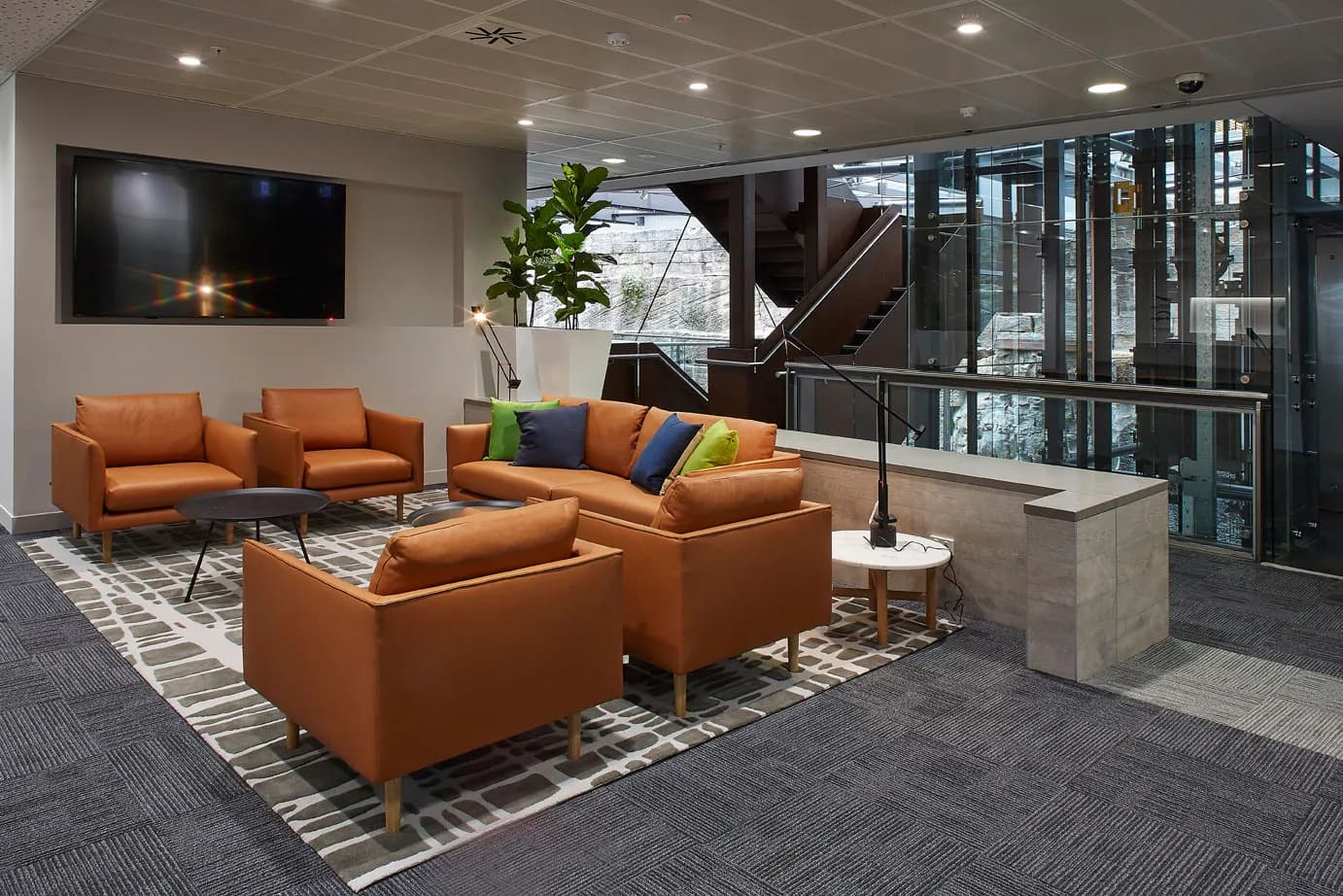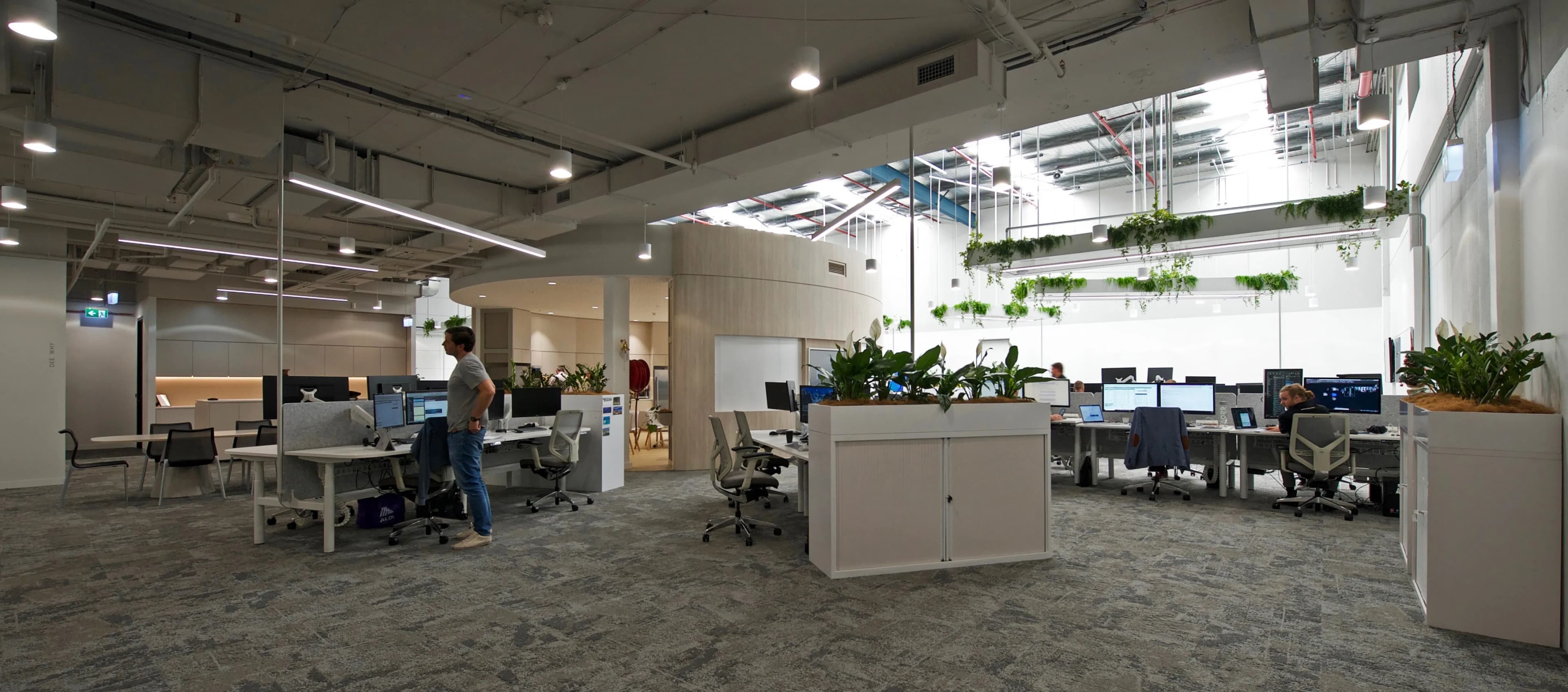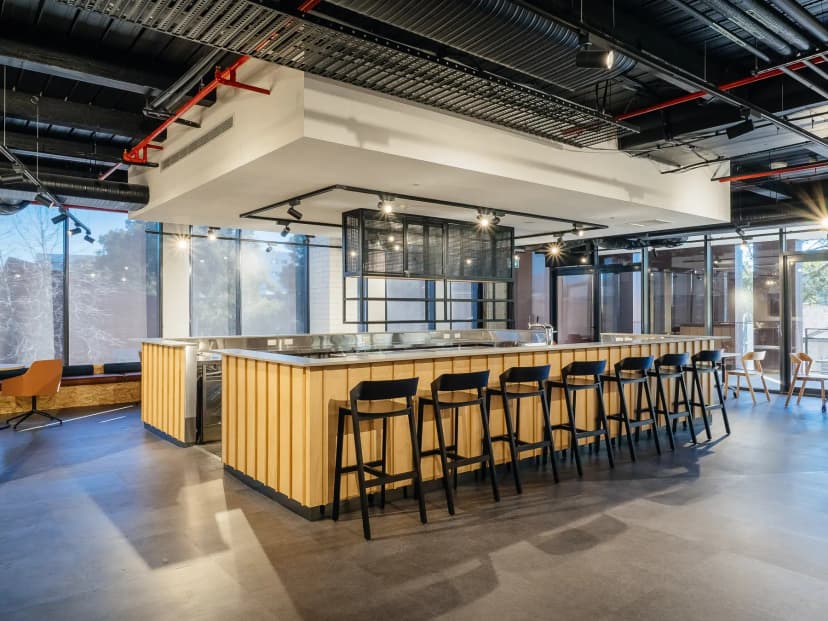
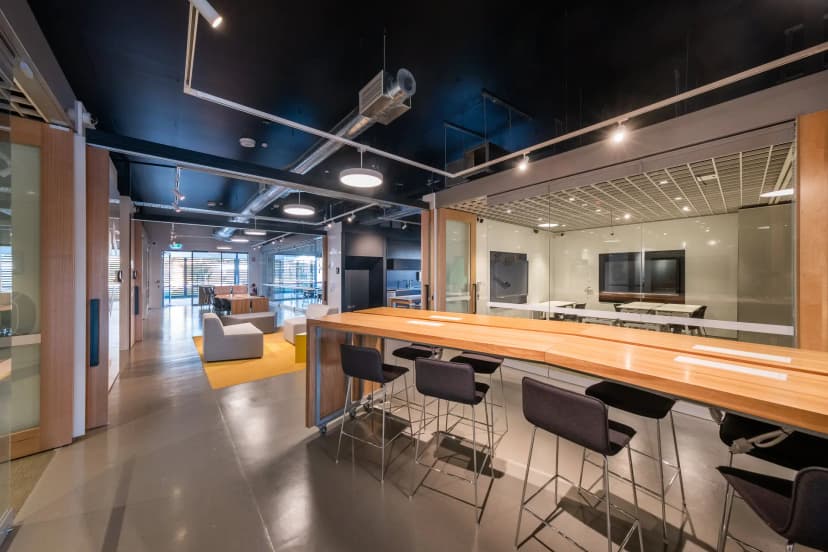
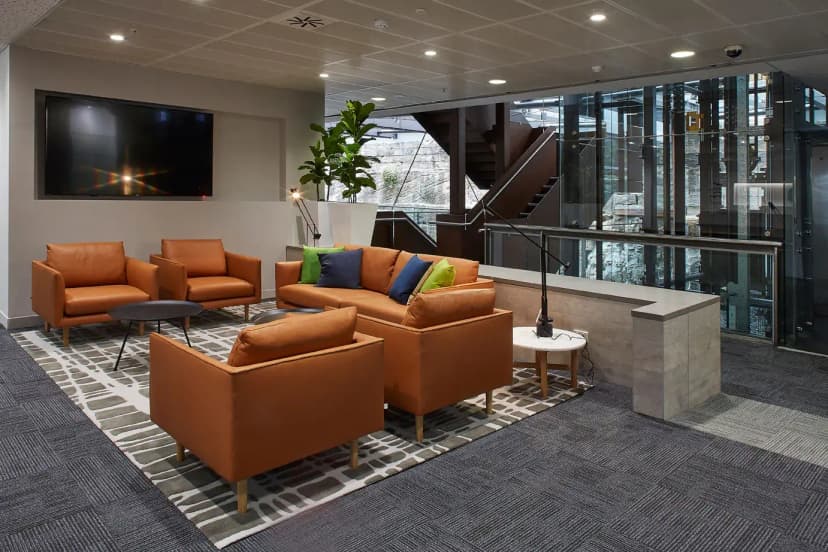
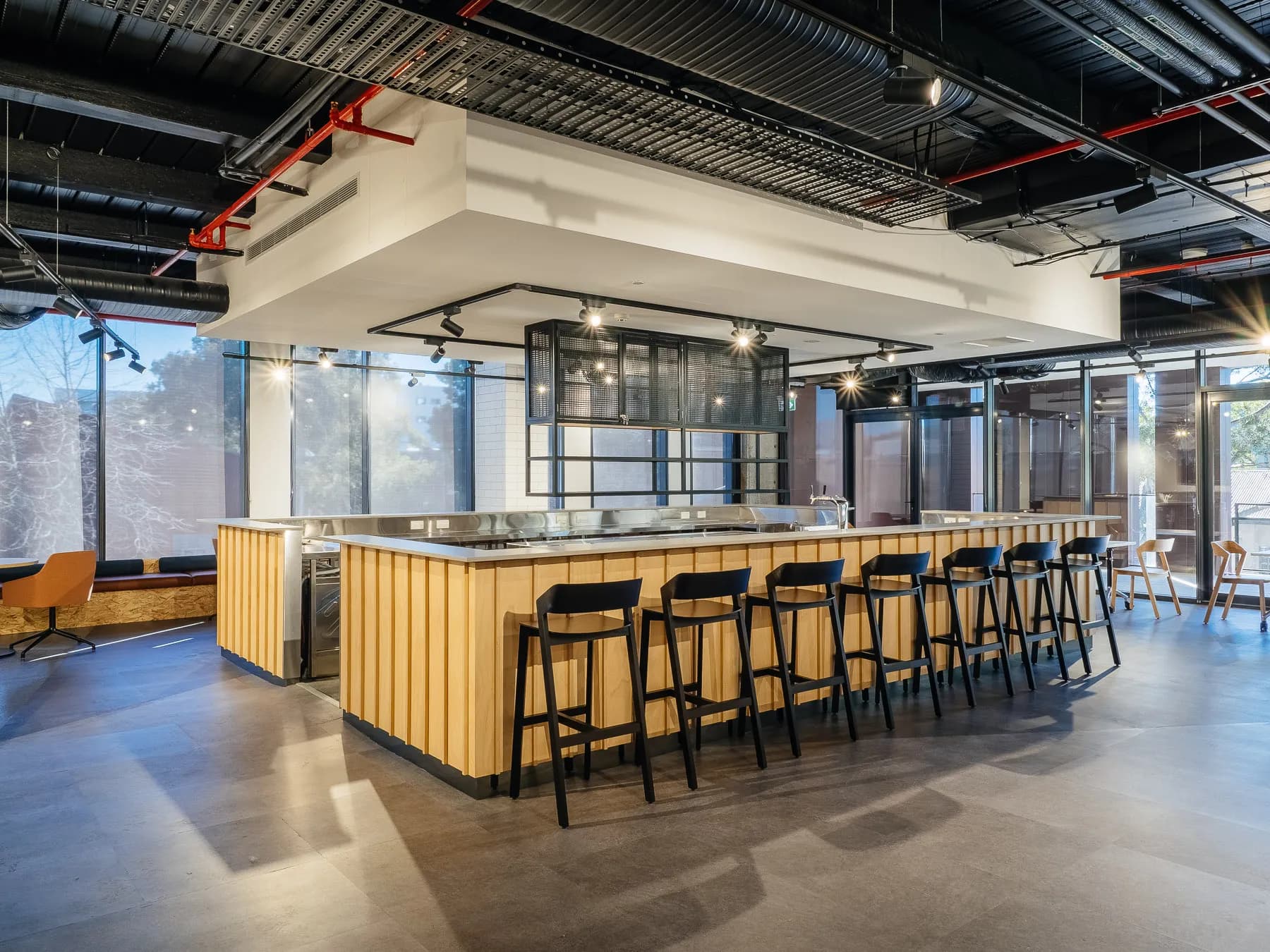
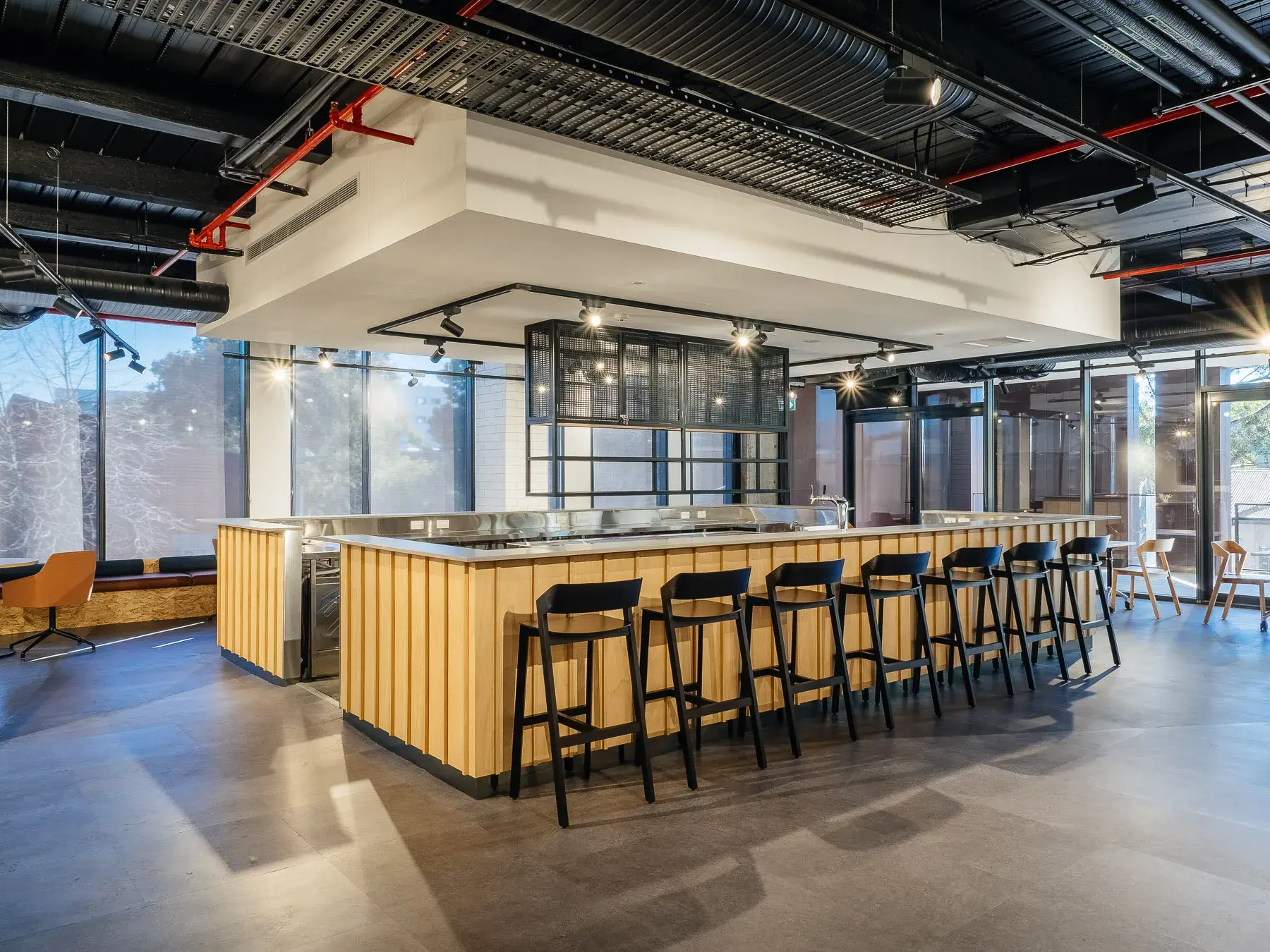
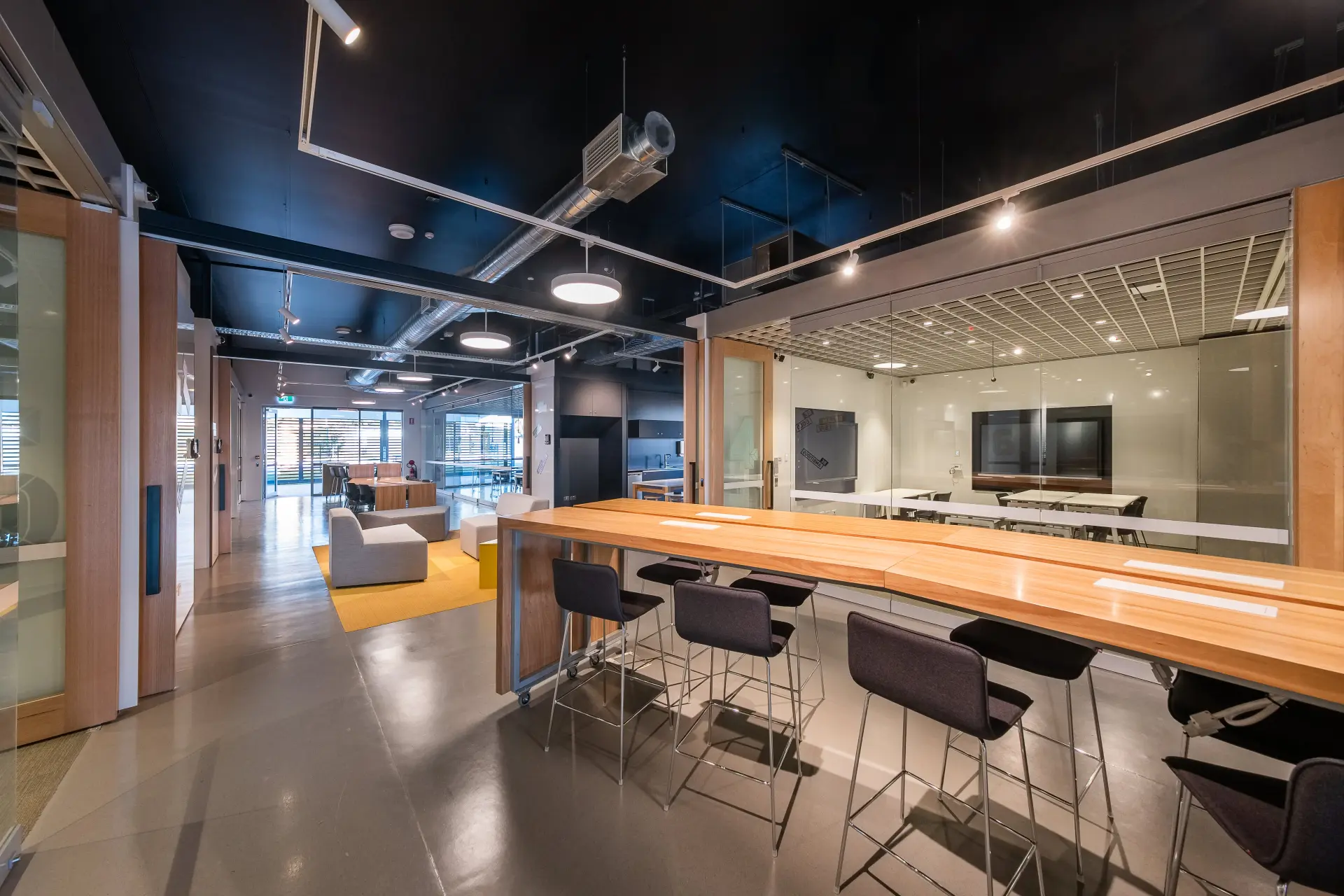
William Angliss Institute Commercial Fitout
Alexandria, Sydney

Six engagement types, each scoped differently. The common thread is that we act for the occupier or the owner, not the builder, and the management fee is fixed before work starts.
Commercial project management covers a wide brief, and the right approach depends on what is driving the project. These are the engagements Sydney clients bring us most often, each with a different pressure point.
You have signed a lease and the clock is running on rent for a space you cannot use. We scope the works, run the tender, and drive the programme to get you occupying sooner.
Office and amenity works inside operating industrial facilities, where the constraint is usually keeping the warehouse running rather than the build itself.
Owner-side and asset-side works across a tenancy or a building: make-good, base-building upgrades, and readying space for the next tenant.
Most commercial project managers on a Sydney site work for the builder. That is not a criticism, it is the commercial reality: their job is to protect the builder's margin, programme and risk position. When those diverge from yours, and on variations they usually do, you have nobody in the room whose obligation runs to you.
Stemar takes the other side of that table. We define the scope before it is priced, test every variation before it is built, and hold the contract. Tier 1 firms deprioritise projects our clients' size and smaller operators subcontract the management out. Big enough to deliver, small enough to care, and the principal who quotes your project is the principal who runs it.
Our only obligation on the project is to you. Scope, tender, variations and handover are all reviewed from the occupier's position.
Quoted after a site walkthrough against a defined scope, so the cost of management is settled before the project starts.
Commercial, industrial and institutional projects across Greater Sydney, with working knowledge of each council's approval pathway.
None of these are unusual and none are the builder's fault. They are what happens when nobody on the project is accountable for the client's position. The challenges that derail Australian building projects repeat consistently enough to design a process around.
A vague scope tendered to three builders produces three incomparable prices and a variation pipeline. Every ambiguity left in the documents becomes a cost you carry later, priced without competition once the contractor is on site.
Site pressure produces verbal approvals, and verbal approvals get invoiced. Without a written variation process that prices and authorises changes before they are built, the final account is a negotiation rather than a calculation.
Council and base-building approvals are treated as a step before construction rather than a task that runs alongside procurement. Leaving them until the trades are booked adds weeks of paid delay.
Fire separation, accessibility, essential services and the National Construction Code all have to be satisfied for the certifier to sign off. Finding a gap at handover means rework on a live tenancy, at your cost.
Three phases, with the compliance and cost decisions front-loaded into the first one. For a worked example of what this looks like against a calendar, see our construction project timeline for an office refurbishment.
Site walkthrough, brief interrogation, and a scope written tightly enough to tender. Budget built from the scope rather than a rate per square metre. Council and base-building requirements identified now, and lodged in parallel with procurement rather than after it.
Comparable prices from suitable contractors, the delivery model and contract chosen to suit the risk, then trade coordination, quality inspections, and a written variation process where changes are priced and authorised before they are built.
Final inspections, essential services and compliance certification, systems commissioning, defects closed out, and a handover pack with warranties and as-builts you can hand to your building manager.
Commercial project management is less about being on site every day than about owning the four things that decide whether a project lands: the scope, the money, the programme and the compliance file. That holds whether you are managing a commercial interior design project, an industrial facility, or a straight refurbishment, and it is what commercial development project managers Sydney owners engage are actually being paid for.
Delivered as part of our full project management approach, across every delivery model we work with, including design and construct delivery where design and build sit under one contract, and office refurbishment services where the space stays occupied throughout.
The documents that determine what you are owed. We write the scope, hold the contract, and administer it, so the contractor is measured against something specific.
Cost tracked against the approved budget, with every variation priced, justified and authorised in writing before work proceeds. No surprises reconciled at the final account.
Milestones tracked weekly, with slippage flagged while there is still float to absorb it rather than reported after the fact.
Council approvals, National Construction Code obligations, the SafeWork NSW Codes of Practice that became enforceable on 1 July 2026, and the documentation the certifier needs to sign off.
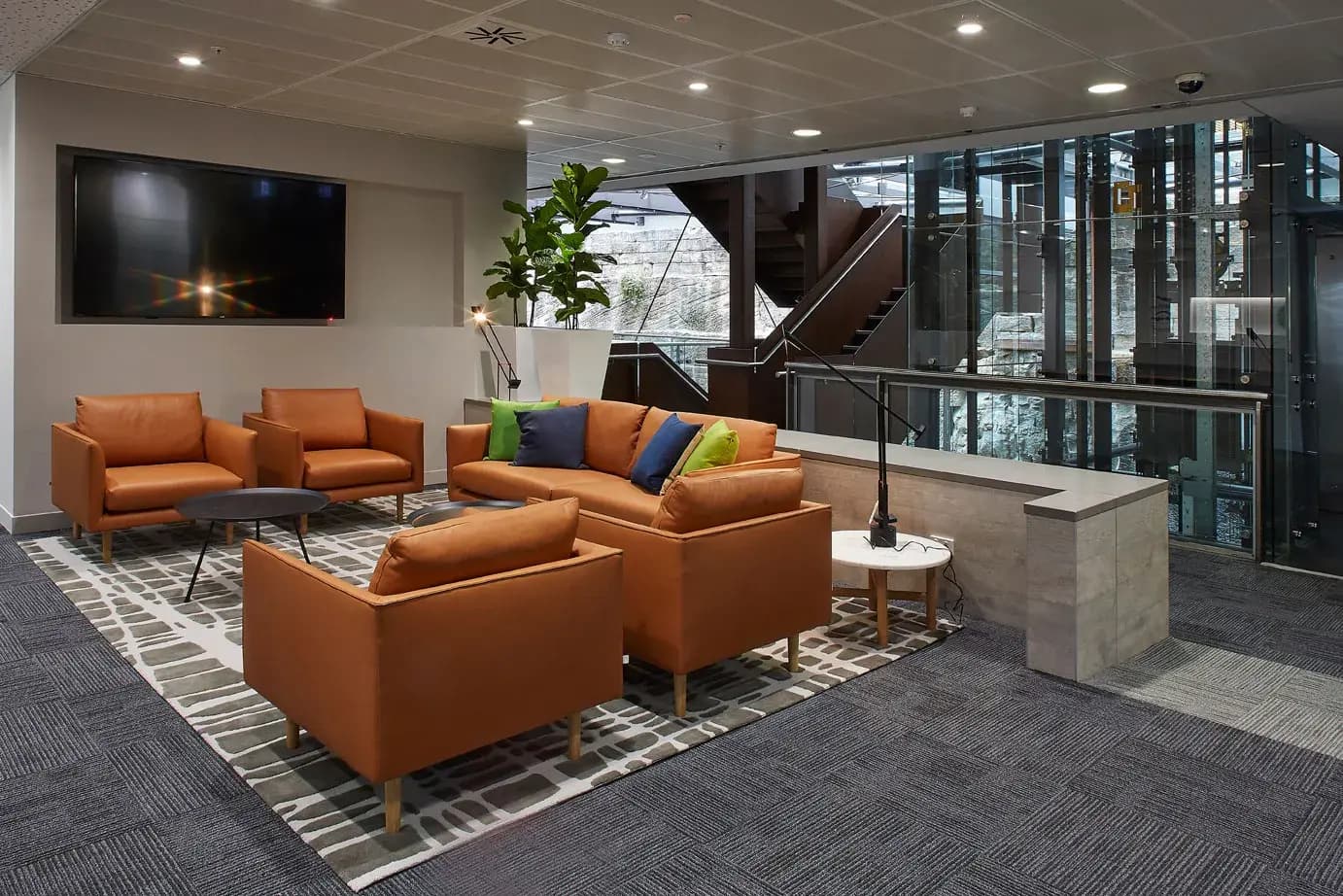
Discover our latest commercial projects across Sydney. From corporate headquarters to medical facilities, each project showcases our expertise in creating productive, innovative workspaces that align with our clients' vision and requirements.
Questions we field most often about commercial project management in Sydney, from what the role covers to when to appoint one.