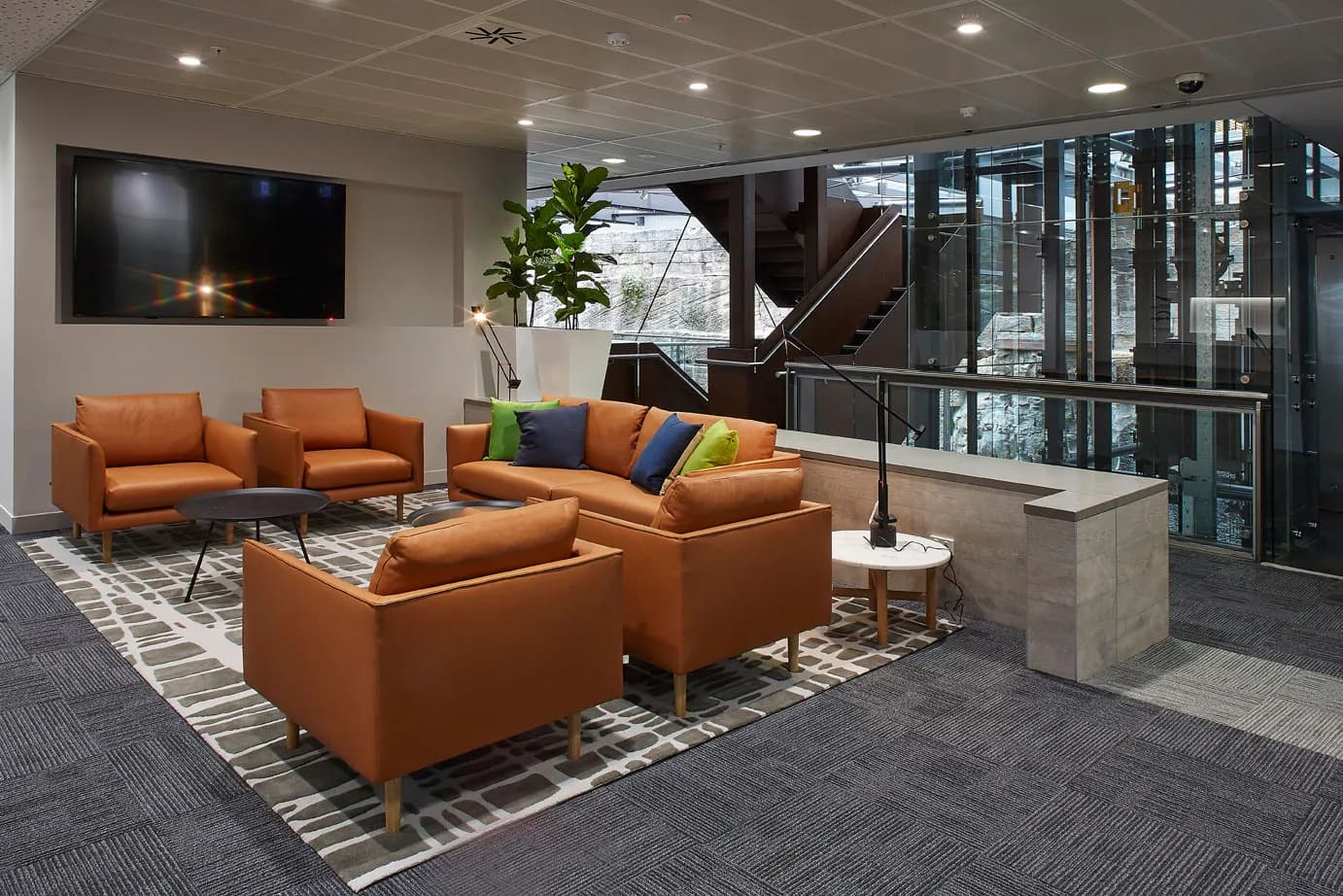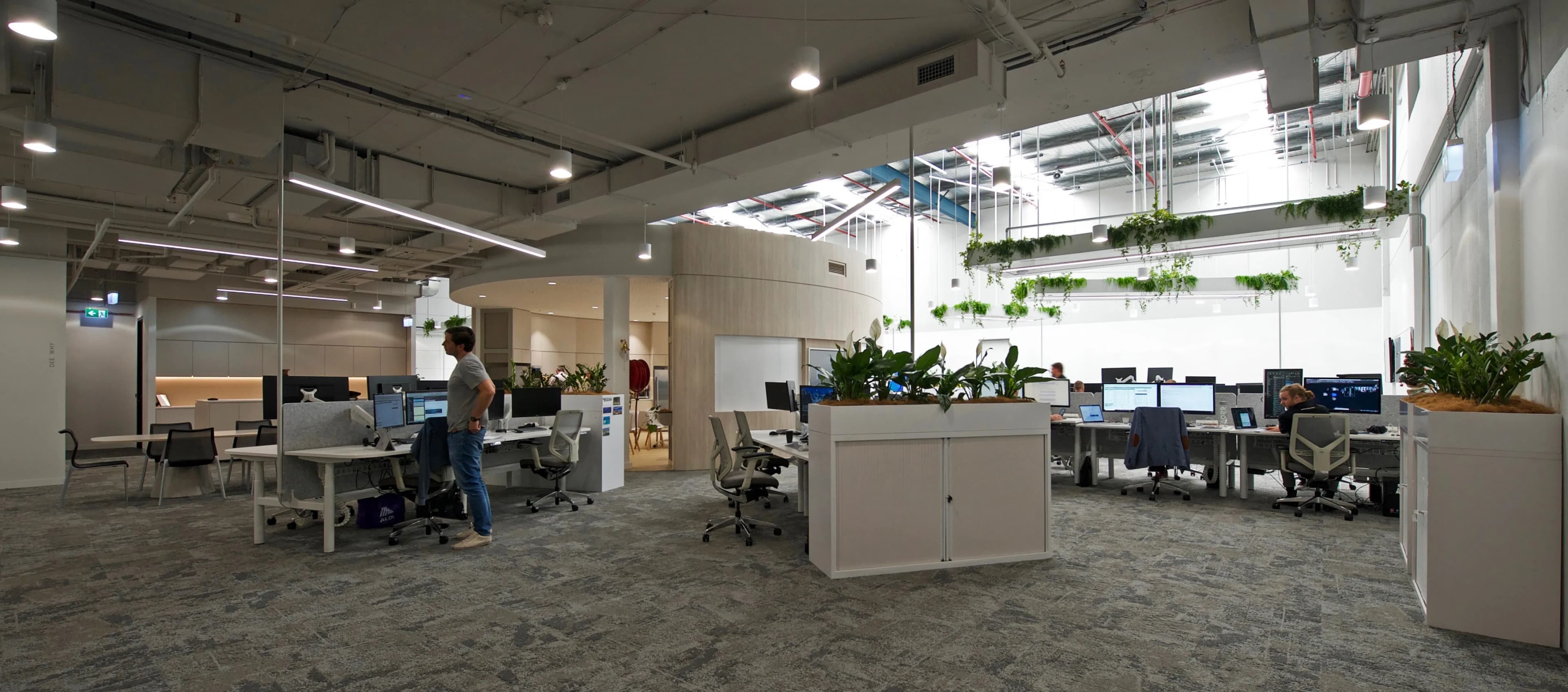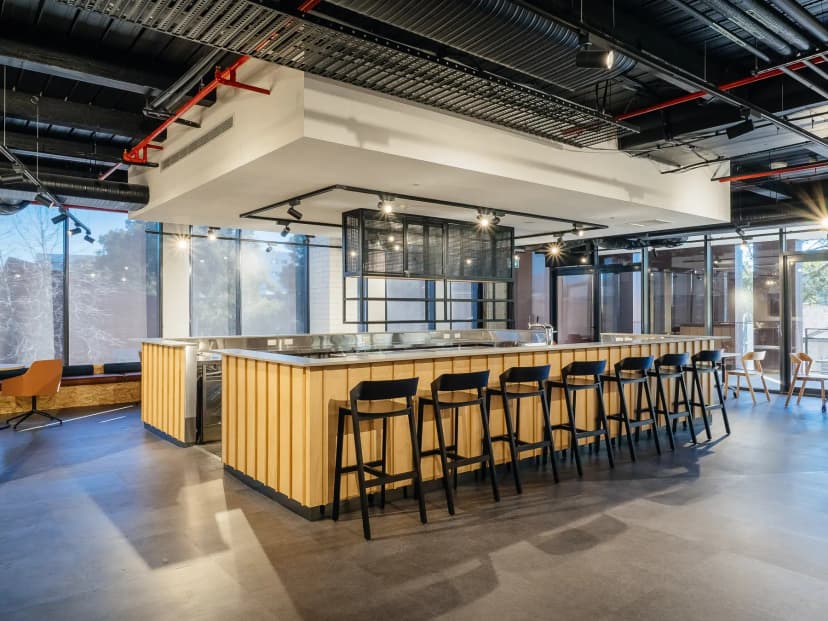
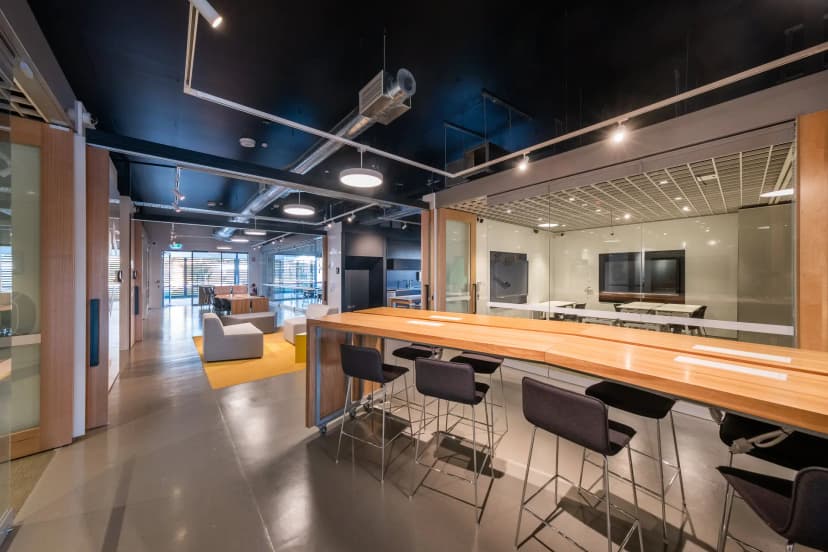
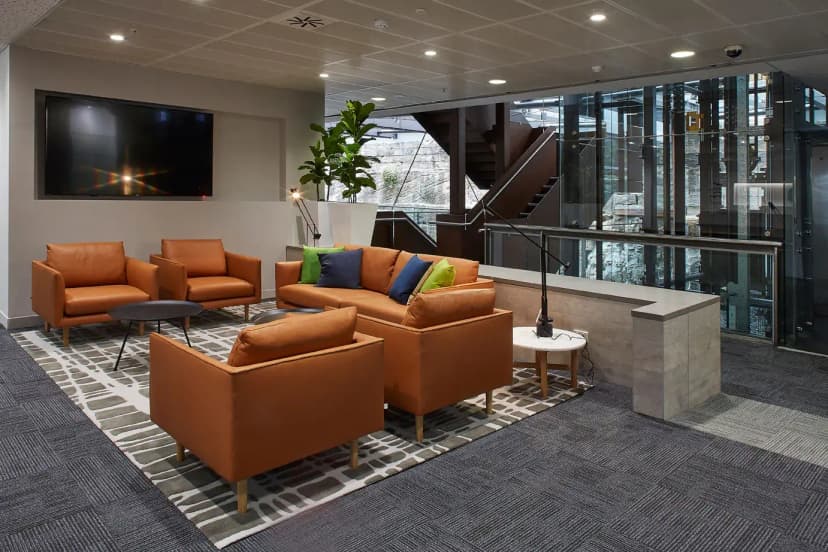
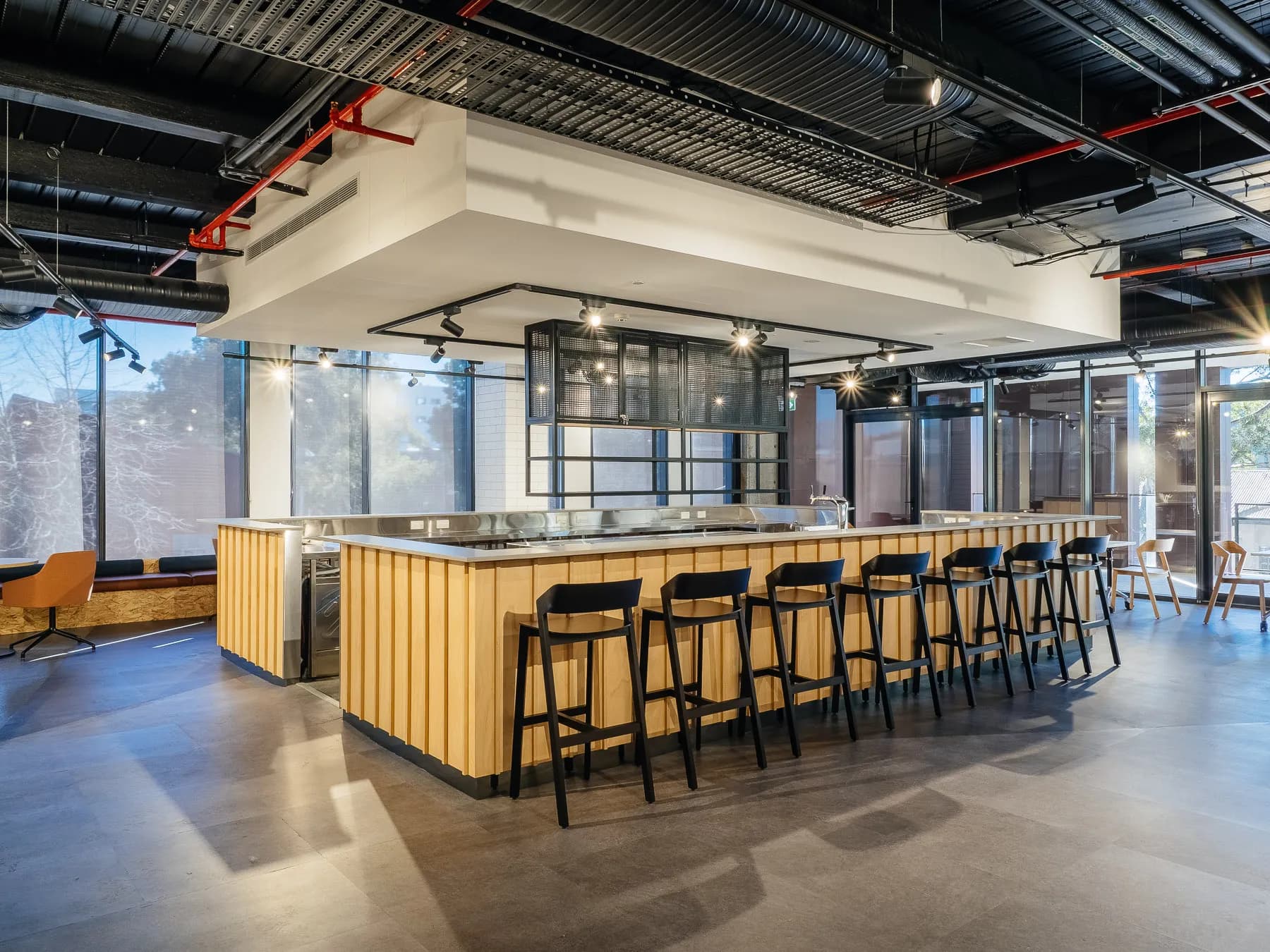
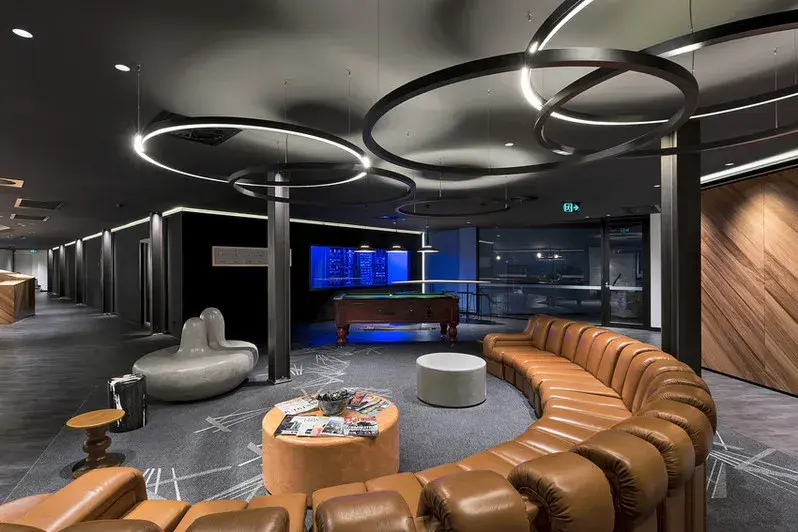
William Angliss Institute Commercial Fitout
Alexandria, Sydney

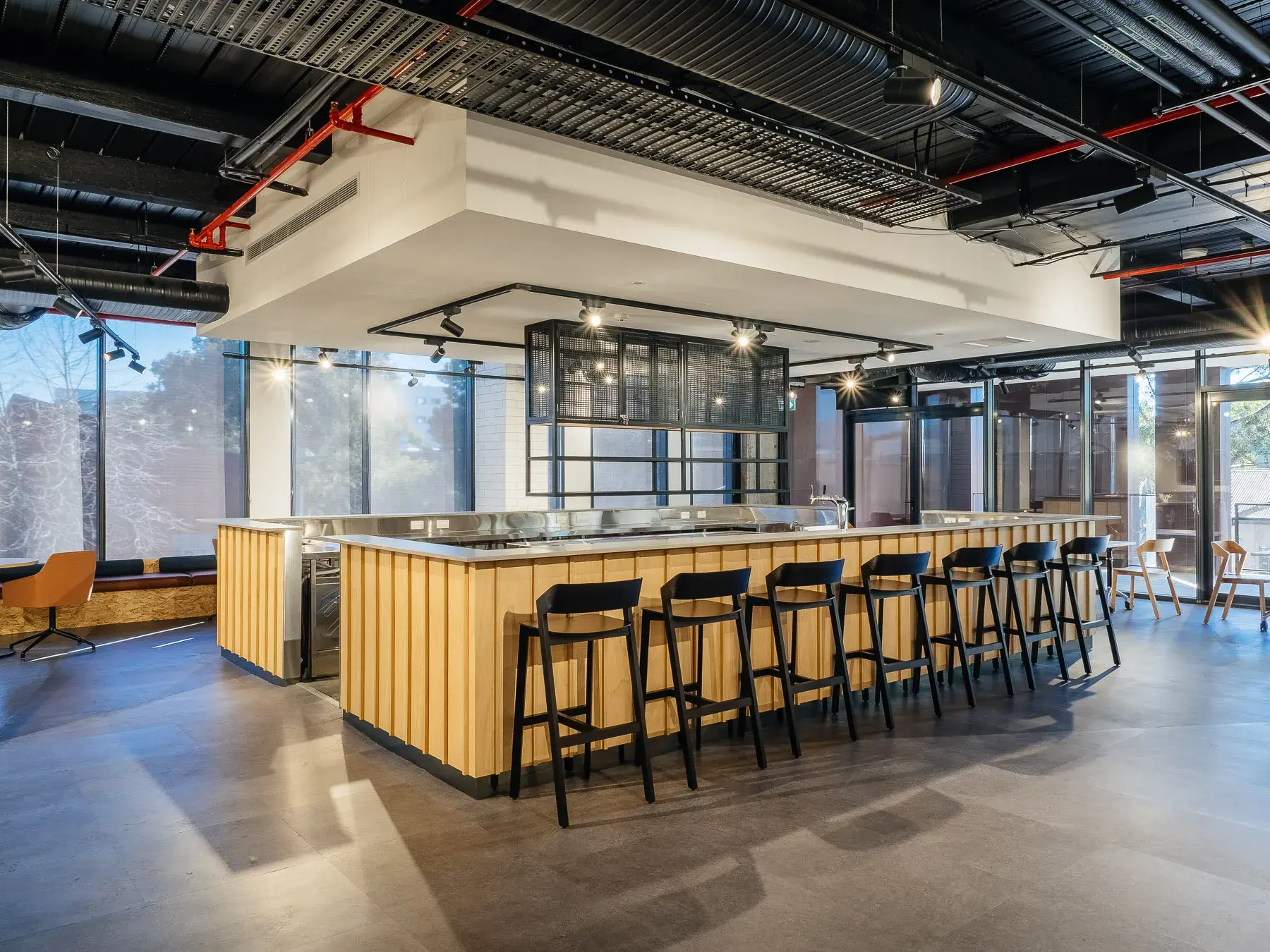
A modular office partition is not a lesser version of a custom-built wall. It is a pre-engineered system designed for predictability — speed and cost certainty on the way in.
Panels manufactured in standard widths (600mm, 900mm, 1200mm) and heights from 1200mm partial up to full floor-to-ceiling. Every panel leaves the factory finished. No on-site painting, no wet trades, no curing time.
A catalogue of panel types, joining details, glazing options, and connection hardware. You select from engineered components rather than briefing a designer from scratch. This is what makes fixed-price quoting possible.
Custom partitions fabricate in eight to sixteen weeks. Modular components ship in two to six. The system meets NCC requirements for fire and acoustic performance for relevant occupancy classes, with AS 1428.1 accessibility compliance where doors are included.
Damaged panels are replaced from the same catalogue without dismantling the run. Replacement arrives factory-finished and installs in hours — a structural advantage over custom plasterboard walls.
Each configuration serves a specific workplace scenario. Knowing which one you need before the scoping conversation saves time for everyone.
Modular office partition walls come in five core configurations. The right choice depends on what the space needs to do, not what looks best in a brochure.
For storage areas, server rooms, and spaces where visual privacy is the priority. Available in ceiling-height for full enclosure or partial-height for open-plan division.
For meeting rooms and collaborative spaces where natural light and sightlines matter. Rw 28 to 36 dB. Enough to reduce ambient noise, not enough for speech privacy.
Framed or frameless glass, solid core, or acoustic-rated doors selected from the catalogue to match the panel type. The door is part of the system, not bolted on.
Ceiling-height for enclosed rooms that need acoustic separation. Partial-height (1200mm to 1800mm) for open-plan zoning. Decision rule: if you need a door, go ceiling-height.
Damaged panels are swapped from the same catalogue without dismantling the run. Replacement arrives factory-finished and installs in hours. One of the practical advantages over a custom wall.
Factory-finished components ship in two to six weeks for standard catalogue items, compared with eight to sixteen for custom-built partitions. The gap that decides whether you hit your fitout deadline.
Two systems, different procurement priorities. Modular optimises for what happens on the way in. Demountable optimises for what happens after.
| Decision criteria | Modular | Demountable |
|---|---|---|
| Best for | Speed and cost certainty on the way in. | Reconfigurability over the lease cycle. |
| Lead time | 2 to 6 weeks for catalogue components. | 4 to 6 weeks from quote acceptance. |
| Pricing model | Fixed-price quote from a defined catalogue, no provisional sums. | Fixed-price quote scoped per project, higher initial outlay than plasterboard. |
| Lease-end behaviour | Treated as a permanent fitout; make-good obligations typically apply. | Panels removed cleanly; substrate returns to base build, panels reused at the next site. |
| Reconfigurability | Limited — panels are catalogue parts but the install is set. | High — panels lift out of tracks and relocate to a new layout. |
| Choose when | You have a tight deadline and a known floor plan that will hold. | Your headcount or lease may change in the next two to five years. |
Most modular systems are designed to be demountable, and most demountable systems use modular components. The two terms describe different priorities, not opposites. Many projects use a hybrid approach: modular components installed with demountable connection details. If your primary concern is moving or reconfiguring partitions as your business changes, start with demountable partitions.
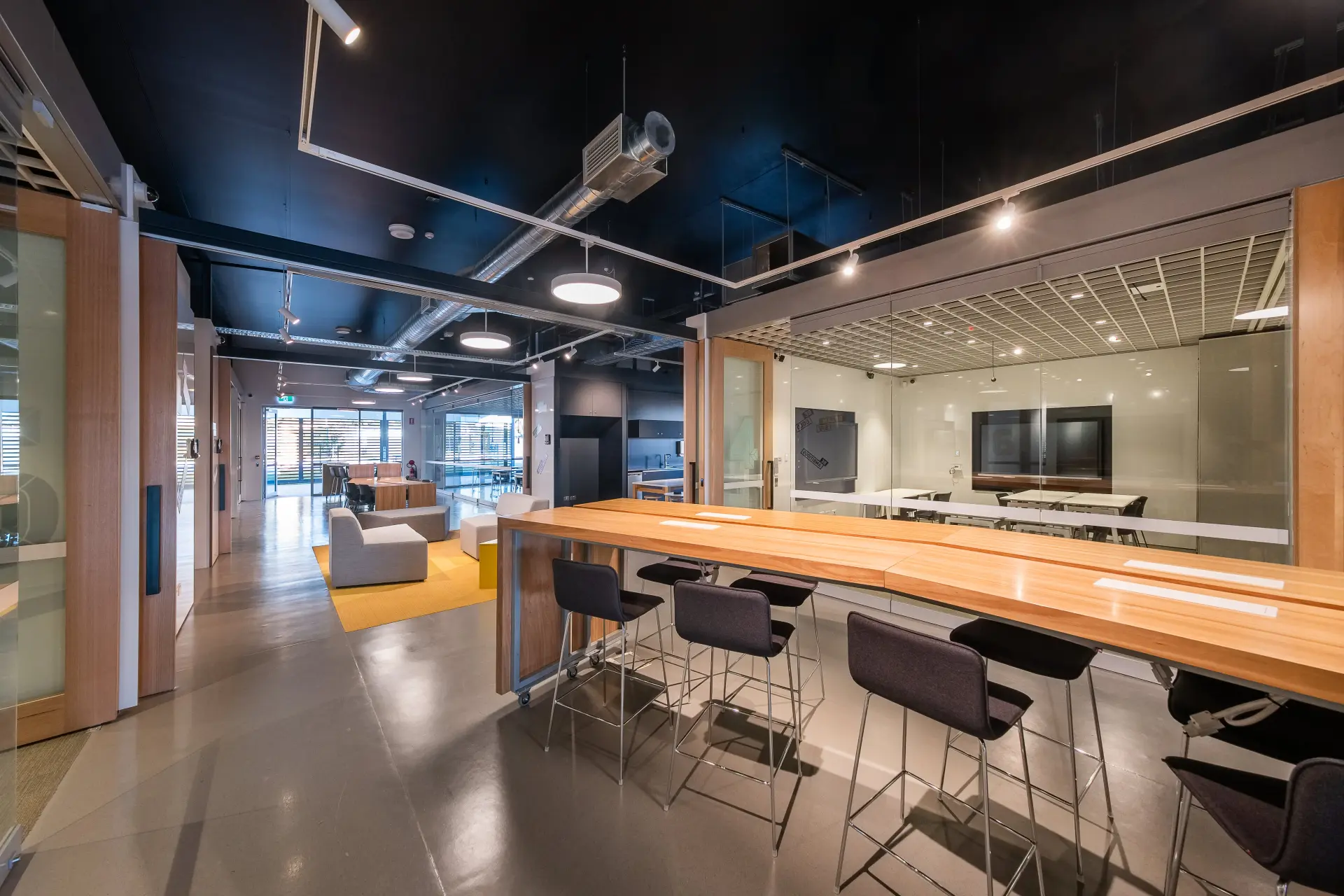
A standard modular partition run is installed by a two-to-three person crew in one to three days, depending on linear metres. Staged delivery and after-hours work are available for occupied buildings.
Where partitions intersect with sprinkler lines, HVAC ducts, or lighting circuits, coordination with mechanical, electrical, and fire services is assessed during scoping, not discovered on install day.
Standard catalogue components ship inside the window that decides whether you hit your fitout deadline.
Two-to-three person crew, minimal site footprint. After-hours and staged delivery options as standard.
Every trade coordinated under one point of contact. Catalogue limitations disclosed upfront during scoping.
Lease transitions, operational changeovers, and board-mandated deadlines do not wait for custom design and fabrication cycles. Stemar Group Projects is big enough to deliver and small enough to care. Based in Wetherill Park, in the heart of Sydney's industrial heartland.
You deal directly with the principals throughout your project, not a rotating cast of account managers. Decisions are made by people accountable for delivery, not filtered through layers of management.
Deep knowledge of Western Sydney councils, local suppliers, and the commercial fitout landscape across the region. Council approval requirements for partition work vary by building class and scope — we handle that process as part of the project.
If your partition build is part of a wider office refit, our refit team manages the full scope from strip-out to handover. See the office refit page for the full programme.
Discover our latest commercial projects across Sydney. From corporate headquarters to medical facilities, each project showcases our expertise in creating productive, innovative workspaces that align with our clients' vision and requirements.
Questions we field most often about modular office partition systems, from configurations and pricing to installation logistics.