Sustainability is no longer a buzzword, it's becoming the foundation of modern commercial design. According to the GBCA, over 50% of commercial building projects in Australia now incorporate some level of sustainable material specification, reflecting the growing trend toward greener office environments.
At Stemar Group, we've seen a shift in priorities: clients are not just looking for sleek interiors, but spaces that reflect their values. Whether it's part of a green home renovation strategy or a commercial-grade transformation, using sustainable building materials helps reduce environmental impact while creating offices that support productivity, wellbeing, and energy efficiency.
As experts in office refurbishments in Sydney, we're here to guide you through the best eco-friendly materials available today and how to use them to build smarter, greener, and more future-ready workspaces.
Why Eco-Friendly Materials Should Be a Priority in Every Office Refurbishment
Choosing the right building materials in Australia is about more than aesthetics, it's about long-term performance, environmental stewardship, and employee wellbeing. As office spaces evolve to meet the demands of modern work culture, the use of eco-friendly materials is vital to aligning your workplace with sustainable values.
Here's why:
- Environmental Responsibility: Opting for sustainable building materials helps reduce waste, lower emissions, and limit reliance on non-renewable resources. This supports broader efforts toward low-carbon housing and environmentally friendly construction standards, even in commercial spaces.
- Energy-Efficient Upgrades: Materials such as high-performance insulation, recycled timber, and low-VOC finishes improve energy performance and indoor air quality. These energy-efficient upgrades can cut heating and cooling costs by up to 40%, according to the Department of Climate Change, Energy, the Environment and Water (DCCEEW), while also improving indoor air quality.
- Boosting Corporate Image & Compliance: Using environmentally responsible materials enhances your brand reputation and supports compliance with green building certifications such as Green Star, helping future-proof your office design for both tenants and investors.
- ROI and Workplace Wellness: A World Green Building Council study found that green offices can boost productivity by up to 11% and reduce sick days by 25%, thanks to better air quality, lighting, and use of non-toxic materials. From reduced absenteeism to increased retention, eco-friendly materials benefit both business and the planet.
By embedding sustainability into the fabric of your office, you're investing in more than just design, you're creating a space that reflects purpose, performance, and progress.
Read also: 6 Types of Collaboration Spaces Every Hybrid Office Needs
Top Eco-Friendly Materials for Building
In any successful office refurbishment, materials are the backbone of your design, not just for form, but also for function and sustainability. At Stemar Group, we work closely with suppliers and clients to ensure every element of your fit-out supports environmentally friendly construction goals without compromising aesthetics or performance.
Here are some of the most effective eco-friendly materials you can incorporate into your commercial interiors today:
1. Recycled Timber
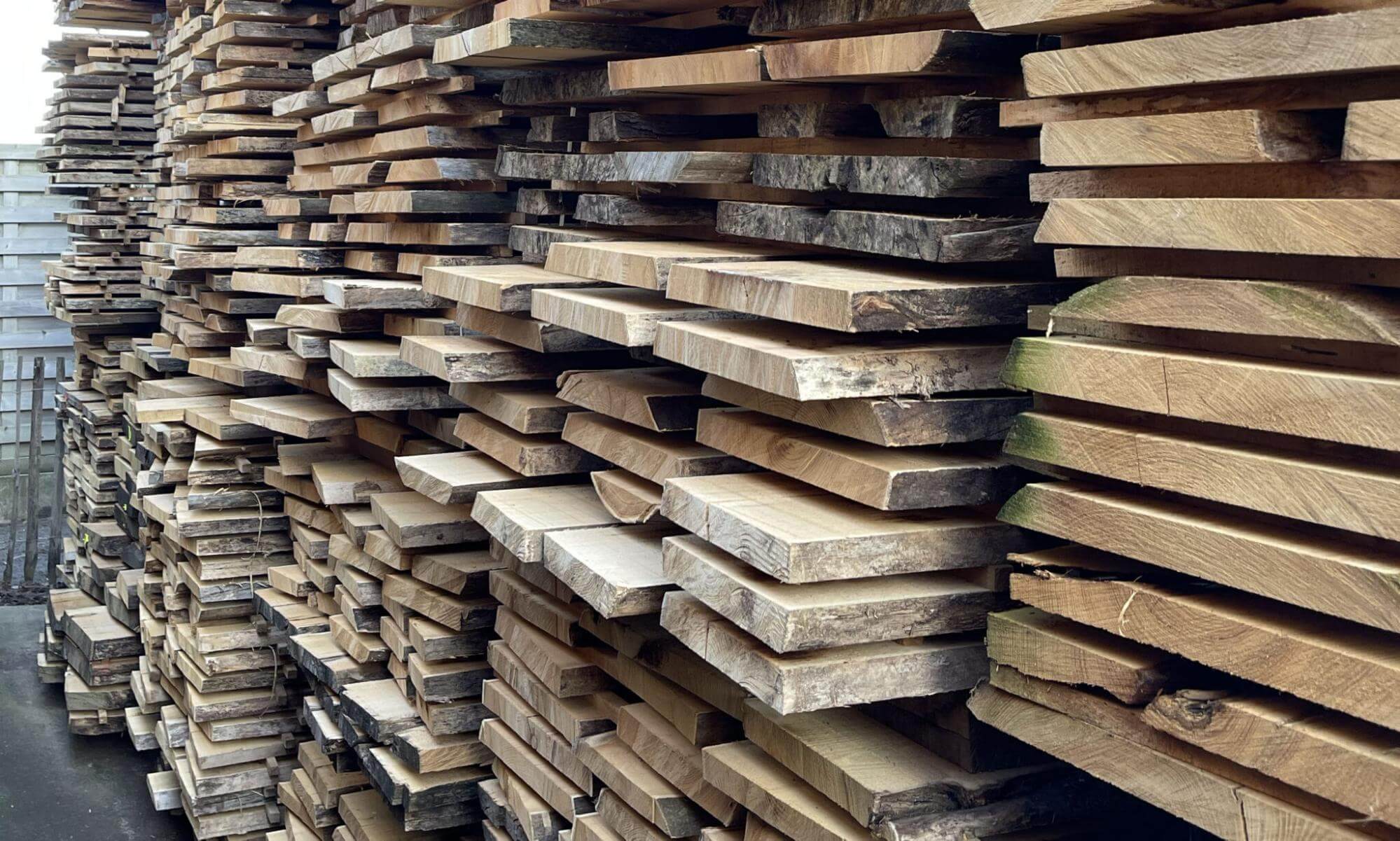
Warm, durable, and uniquely characterful, recycled timber is one of the most accessible sustainable building materials in Australia. Sourced from old structures or reclaimed wood, it reduces deforestation while giving high-quality materials a second life. Use it in feature walls, counters, or cabinetry for a bold natural look.
2. Hempcrete
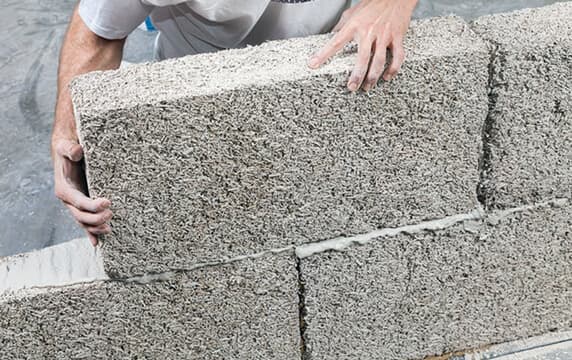
Made from industrial hemp, water, and lime, hempcrete is a lightweight, breathable alternative to traditional concrete. It's not only carbon-negative but also effective for acoustic insulation in open-plan offices, contributing to low-carbon housing and commercial building efforts.
3. Earthwool Insulation
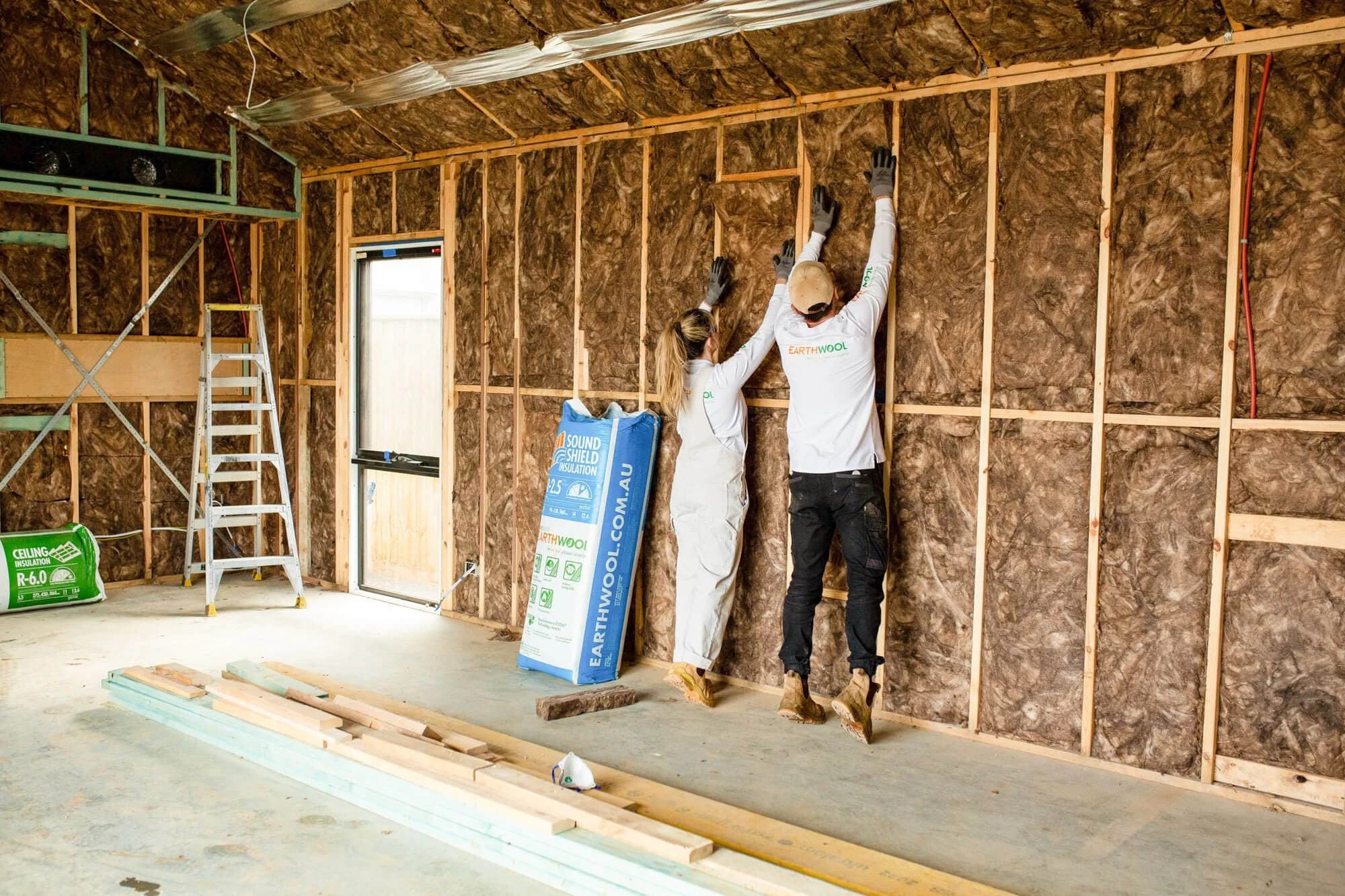
Derived from recycled glass bottles and free from formaldehyde, Earthwool is an ideal choice for thermal and acoustic insulation in commercial interiors. It supports energy-efficient upgrades by reducing heating and cooling loads, improving comfort, and reducing environmental impact.
4. Low-VOC Paints
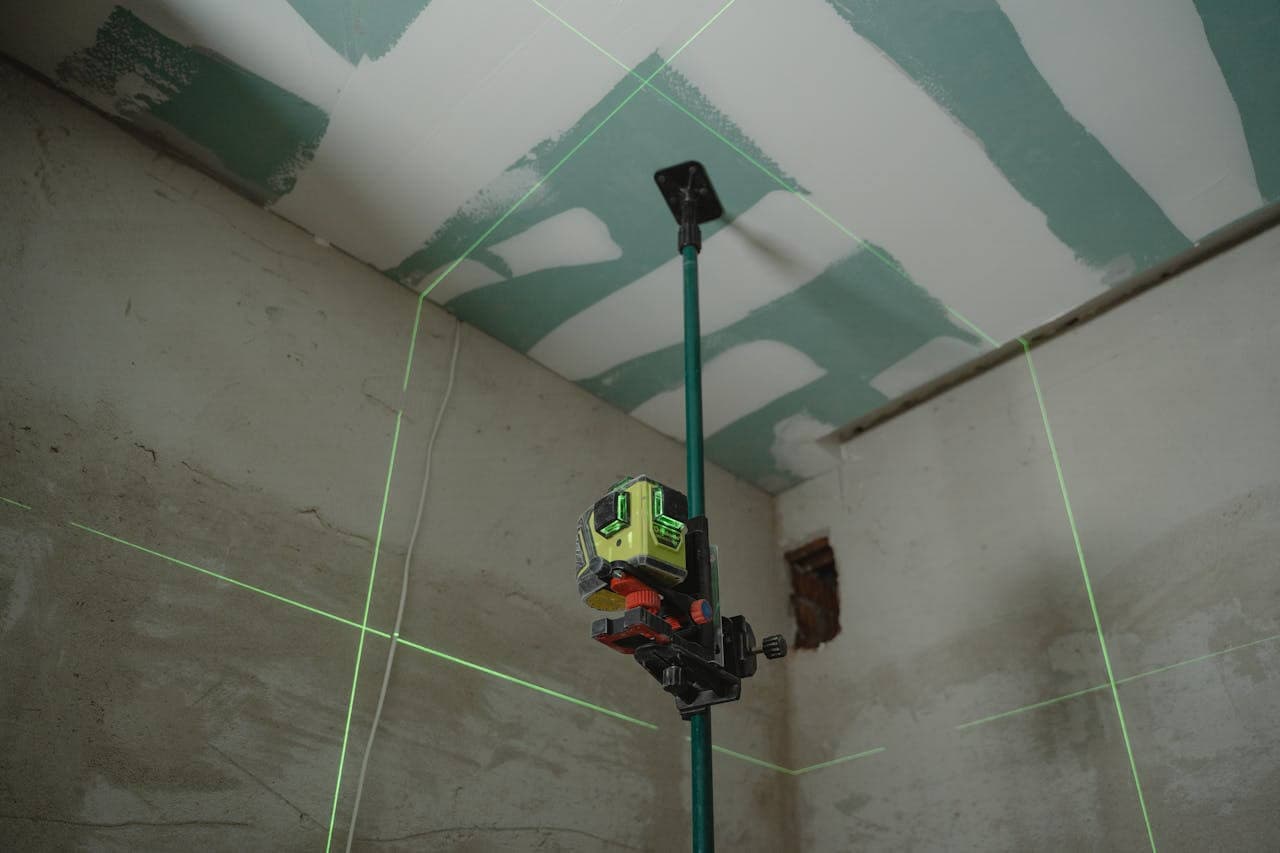
Volatile Organic Compounds (VOCs) found in conventional paints can cause headaches, fatigue, and poor indoor air quality. That's why we recommend Australian-made low-VOC paints, such as Haymes Paint, for a safer, healthier workplace, which is essential in any green home renovation or commercial update.
5. Bamboo Finishes
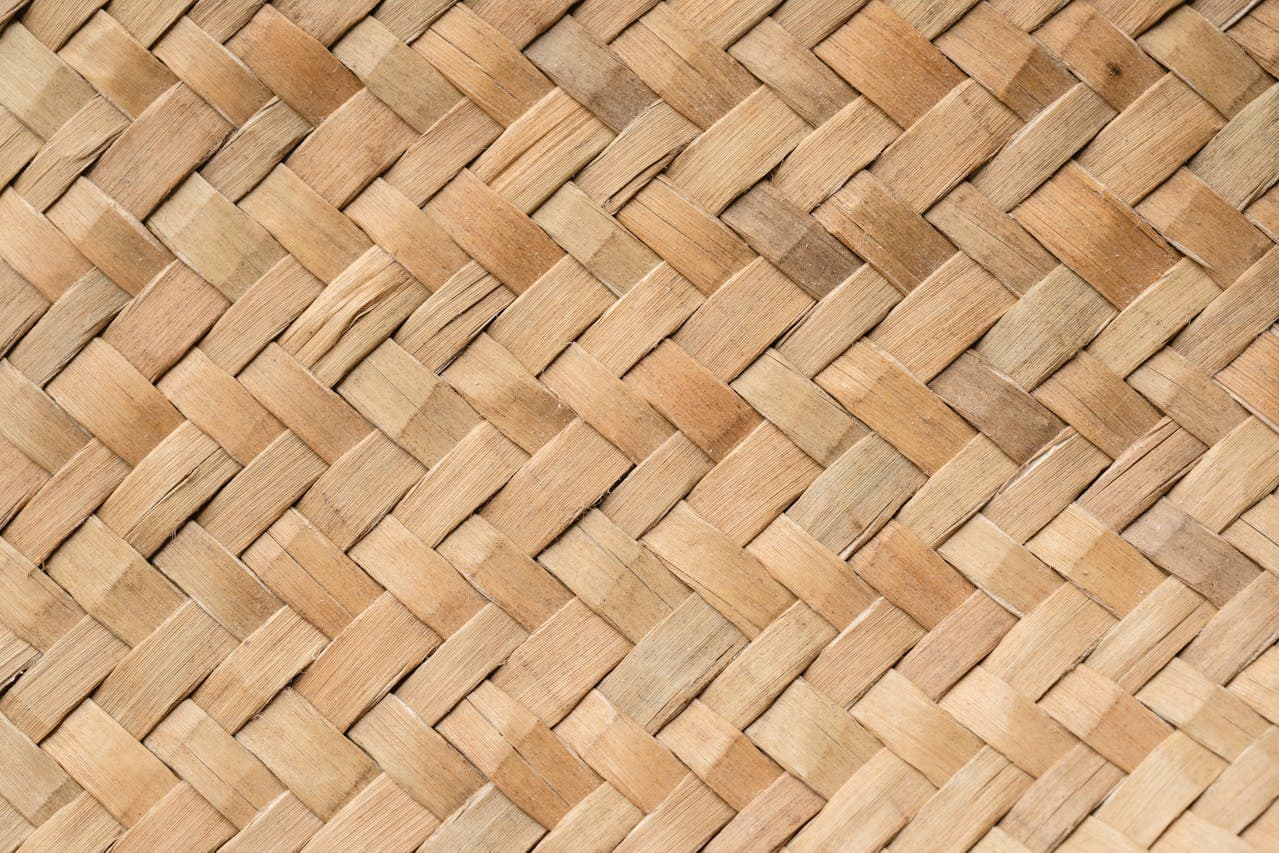
Bamboo grows up to 30 times faster than traditional hardwoods, making it one of the most renewable building materials available, with some species growing up to 91 cm per day under ideal conditions. It's lightweight, strong, and ideal for joinery, panelling, or furniture. With its natural look and low environmental footprint, bamboo is becoming a favourite among eco-friendly materials in modern office designs.
6. Recycled Steel and Aluminium
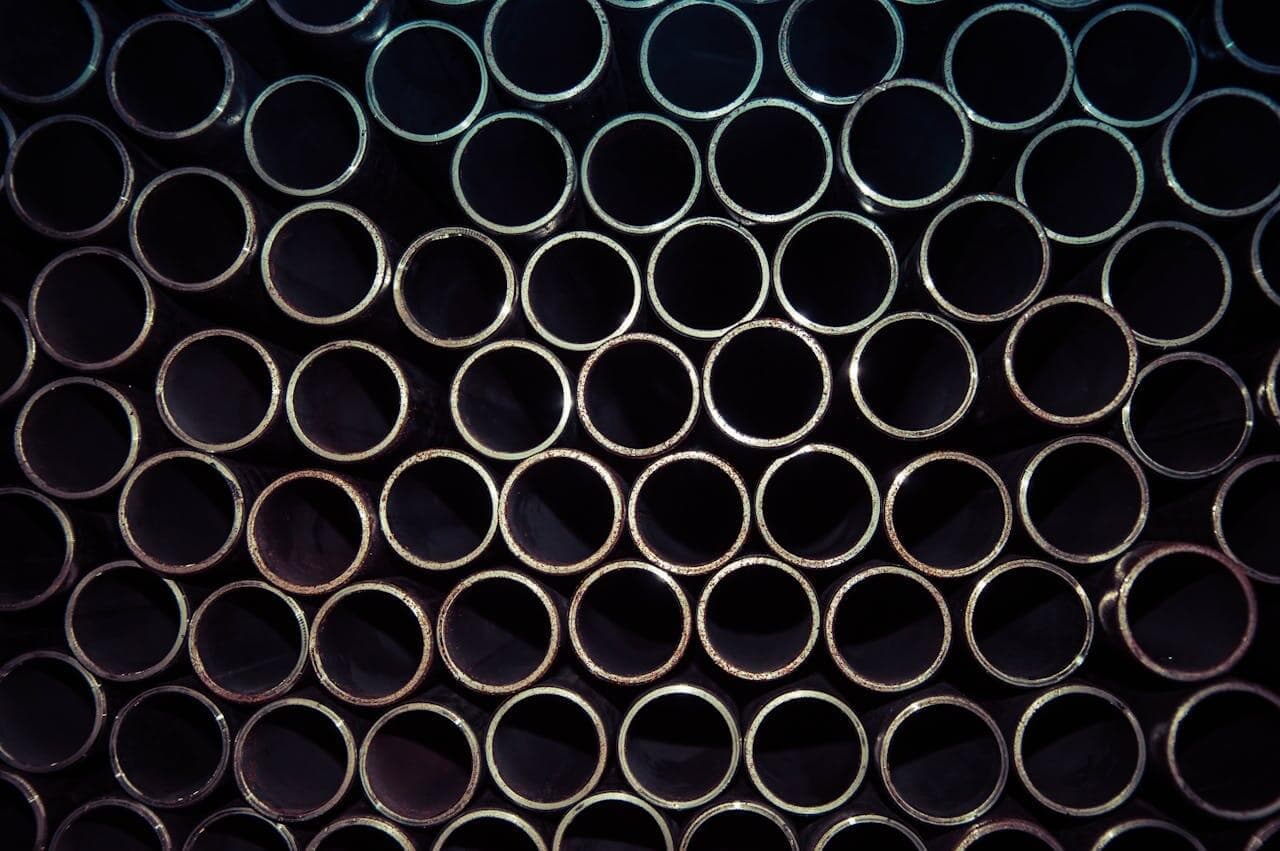
Recycled metals retain their strength while Recycling aluminium saves up to 95% of the energy required to produce it from raw materials, while recycled steel reduces energy use by around 70%, according to the Australian Aluminium Council and World Steel Association. They're ideal for partitions, structural framing, and fixtures in open offices. Using recycled steel supports environmentally friendly construction without compromising durability.
7. Mycelium Panels
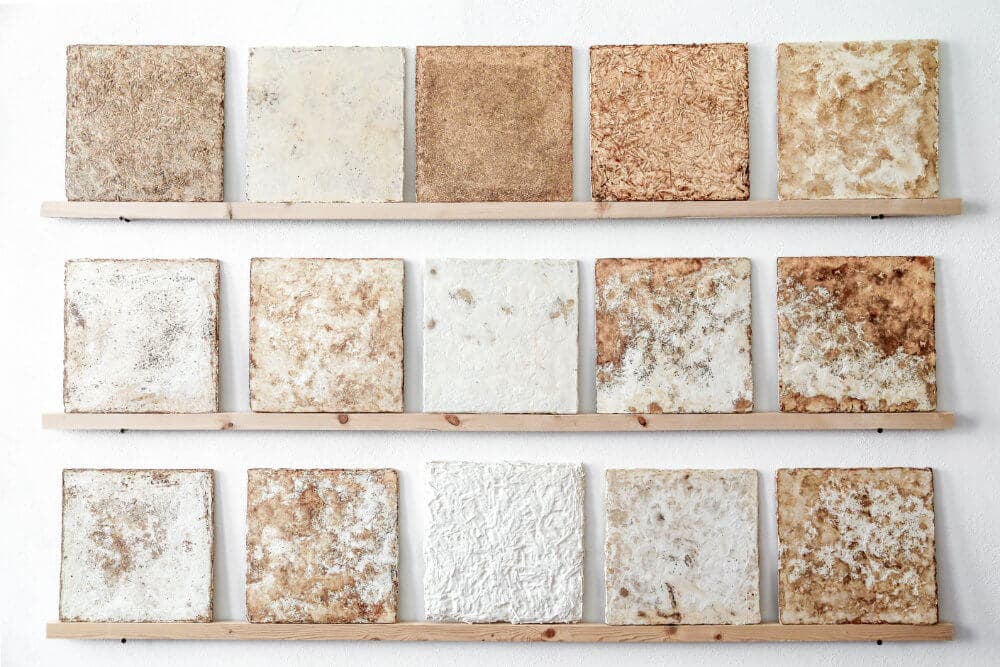
A cutting-edge material made from mushroom roots, mycelium offers impressive sound absorption, fire resistance, and biodegradability. While still emerging in Australia, these panels are perfect for eco-conscious companies seeking the next evolution of sustainable building materials.
8. Timbercrete
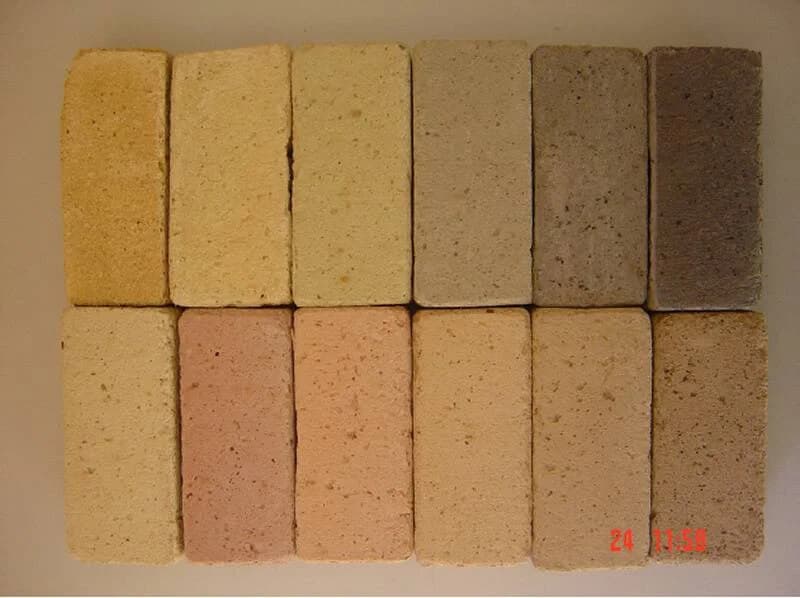
Combining timber waste with concrete, Timbercrete is lighter, more insulating, and more environmentally friendly than traditional bricks. Its thermal properties can support passive design principles and energy-efficient upgrades, particularly in client-facing or shared spaces.
Whether you're planning a full renovation or a phased fit-out, these materials help create offices that are stylish, durable, and genuinely sustainable.
Read also: Planning a Sustainable Office Refurbishment
Why Businesses Are Prioritising Sustainable Fit-Outs
Sustainability isn't just an environmental concern anymore, it's a strategic business decision. Companies across Australia are embedding eco-friendly materials and practices into their office spaces as part of broader Environmental, Social, and Governance (ESG) frameworks.
Here's why forward-thinking organisations are investing in sustainable building materials and low-impact construction techniques:
1. Enhanced Brand Image and Values Alignment
In today's competitive landscape, your office is more than a workspace, it's a reflection of your brand. A fit-out built with environmentally friendly construction in mind sends a clear message to clients, staff, and investors: you're committed to doing business responsibly.
Sustainable design is particularly attractive to younger talent, B2B clients with ESG mandates, and conscious consumers who expect businesses to walk the talk.
2. Operational Savings Through Energy-Efficient Upgrades
Upgrading to energy-saving lighting, insulation, and materials isn't just good for the environment, it's smart for your bottom line. Many eco-friendly materials, such as Earthwool insulation or double-glazed windows, help reduce ongoing energy costs and support long-term operational efficiency.
By planning a green home renovation or commercial interior refresh with sustainability in mind, businesses can reduce utility costs year over year.
3. Compliance and Certification Opportunities
With the rise of low-carbon housing and commercial standards, green building certifications such as Green Star and NABERS are gaining traction. Projects that pursue Green Star certification can achieve up to a 12% reduction in operating costs, according to the Green Building Council of Australia, while improving employee attraction and retention.
4. Healthier, More Productive Work Environments
There's a direct link between air quality, acoustics, and employee well-being. Offices built with low-VOC paints, natural finishes, and non-toxic insulation foster healthier spaces that reduce absenteeism and enhance productivity.
A sustainable workplace isn't just good for the planet, it's also suitable for your people.
At Stemar Group, we help Sydney businesses unlock these benefits through smart design and strategic material selection. From concept to completion, we align every refurbishment project with your values, your goals, and the future of workplace sustainability.
Read also: How to Maximise Your Lease Renewal with a Strategic Office Refurbishment
Certifications to Look For When Choosing Eco Friendly Materials
In a crowded market of "green" claims, certifications are essential to identify truly eco-friendly materials that meet environmental and performance standards. At Stemar Group, we work only with suppliers that meet credible, industry-recognised benchmarks for sustainability and quality.
If you're planning a green home renovation, a sustainable office fit-out, or looking to align with environmentally friendly construction goals, here are the certifications you should be looking for:
- GECA (Good Environmental Choice Australia): One of the most respected eco labels in Australia, GECA certifies products across construction, furniture, and flooring. It assesses lifecycle impact, emissions, toxicity, and sustainability, making it a reliable indicator of sustainable building materials.
- Global GreenTag Certification: Used internationally and recognised under the Green Star system, GreenTag certifies products that meet strict environmental, health, and social responsibility criteria. Ideal for companies seeking low-carbon housing or sustainable office standards.
- FSC (Forest Stewardship Council) Certification: If your project involves timber or wood products, look for the FSC label. It guarantees the timber was sourced responsibly, ensuring forest preservation and ethical supply chain practices, critical in building materials in Australia, where deforestation remains a concern.
- Low-VOC or Zero-VOC Labels: When choosing paints, adhesives, sealants, or flooring, always verify the product's VOC content. Low-VOC certified products protect air quality and align with health-focused design standards, especially in shared or high-traffic spaces like offices.
- Green Star Credits (Green Building Council of Australia): Although not a product certification, materials used in your fit-out can contribute toward Green Star points, Australia's leading sustainability rating system for buildings. Choosing certified materials helps you meet targets for energy efficiency, emissions, waste, and indoor environment quality.
By prioritising certified materials, you're not only reducing your environmental footprint, you're ensuring compliance, transparency, and long-term quality in your refurbishment project.
At Stemar Group, we proactively source certified products to help you achieve your sustainability goals, whether you're aiming for a better indoor environment or a full green building certification.
FAQs About Eco-Friendly Materials for Offices
What are the most eco friendly materials for office refurbishments?
Some of the best eco friendly materials for office refurbishments include recycled timber, low-VOC paints, bamboo, Earthwool insulation, and recycled steel. These options are widely available in Australia and help reduce environmental impact without compromising quality or style.
Are green materials more expensive?
While some sustainable building materials have a slightly higher upfront cost, they often lead to energy-efficient upgrades that reduce operating costs over time. In many cases, choosing certified materials also improves long-term durability and performance, lowering maintenance expenses.
Can eco-friendly materials improve staff wellbeing?
Yes. Materials such as low-VOC paints and natural finishes improve indoor air quality, supporting better respiratory health, focus, and overall employee satisfaction. Creating a healthy environment is a core benefit of environmentally friendly construction.
Do eco-friendly materials contribute to building certifications?
Absolutely. Many certified building materials in Australia contribute points toward Green Star or NABERS building certifications. Choosing eco-friendly products with labels such as GECA or FSC helps you meet sustainability criteria.
Can commercial properties access green finance or incentives?
While eco home loans and green mortgage options are more common in the residential space, some commercial projects may qualify for sustainability grants or funding support. Check with local councils or the Clean Energy Finance Corporation (CEFC) for opportunities specific to commercial refurbishments.
These answers help office managers and business owners make informed, confident decisions about their refurbishments and serve as rich keyword targets for search engine visibility.
Build Smarter, Greener Offices with Stemar Group
Choosing eco friendly materials is more than a design decision, it's a statement about the kind of business you want to be. Whether you're pursuing energy-efficient upgrades, seeking low-carbon building materials in Australia, or aiming to align your workplace with ESG goals, sustainability should be central to your refurbishment strategy.
At Stemar Group, we've helped countless Sydney businesses transform their offices with smart, modern, and environmentally friendly construction solutions. We don't just follow trends, we design for longevity, wellbeing, and performance.
Globally, the built environment is responsible for almost 40% of global carbon emissions, with materials and construction accounting for up to 11%. By choosing low-impact, certified eco friendly materials, Australian businesses can significantly reduce their contribution to this footprint.
Contact Stemar Group today to discuss your refurbishment project and discover how we can build a better, greener workspace together.