
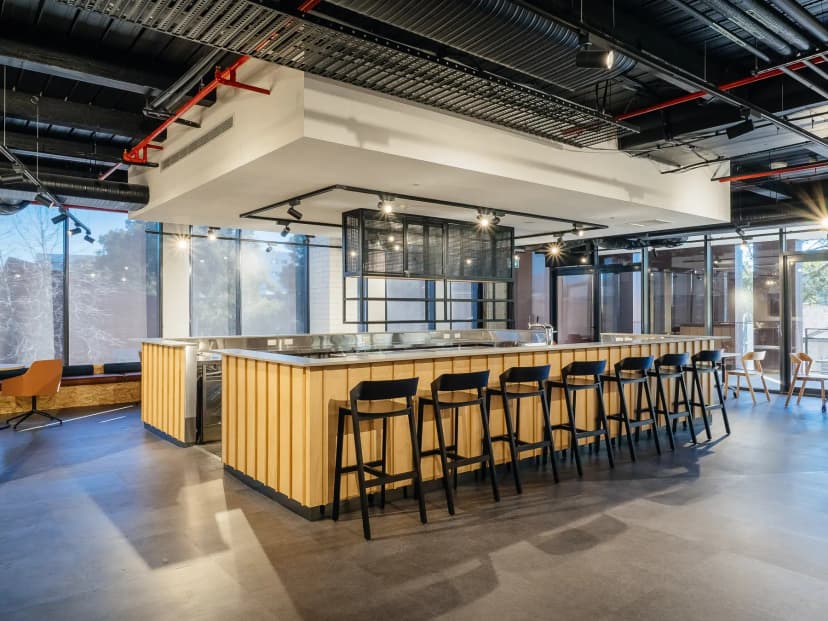
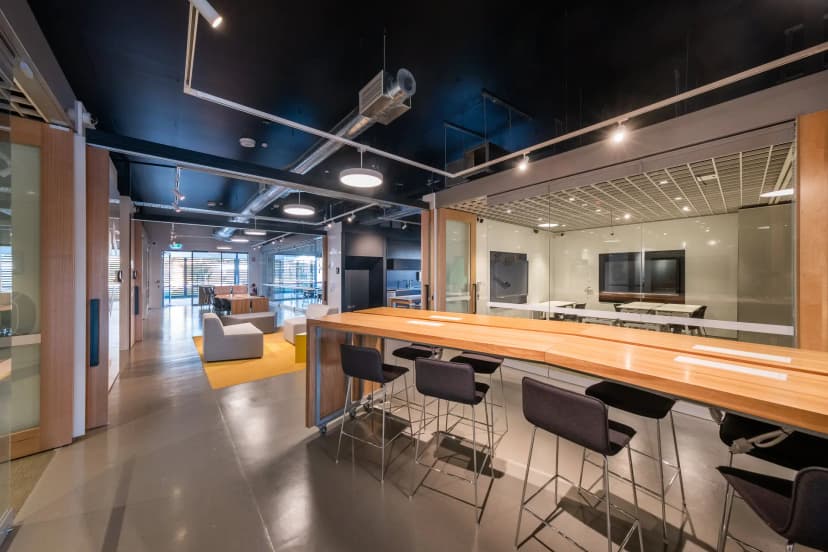
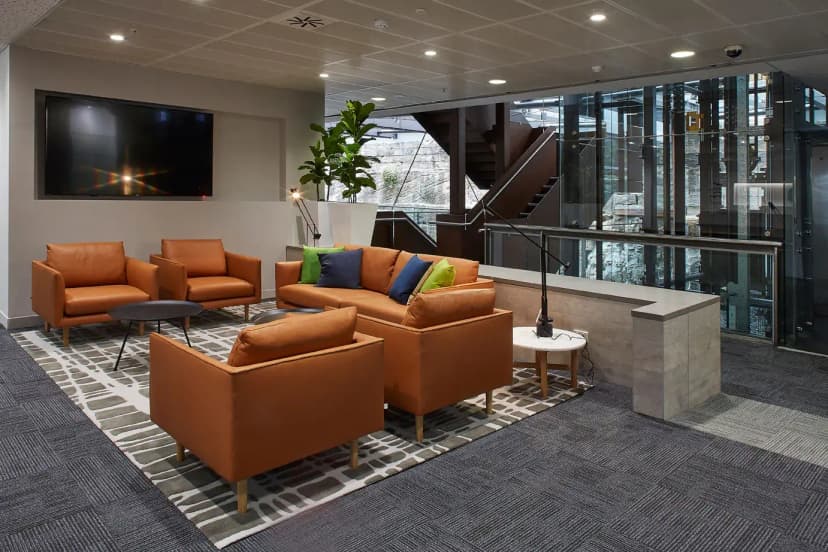
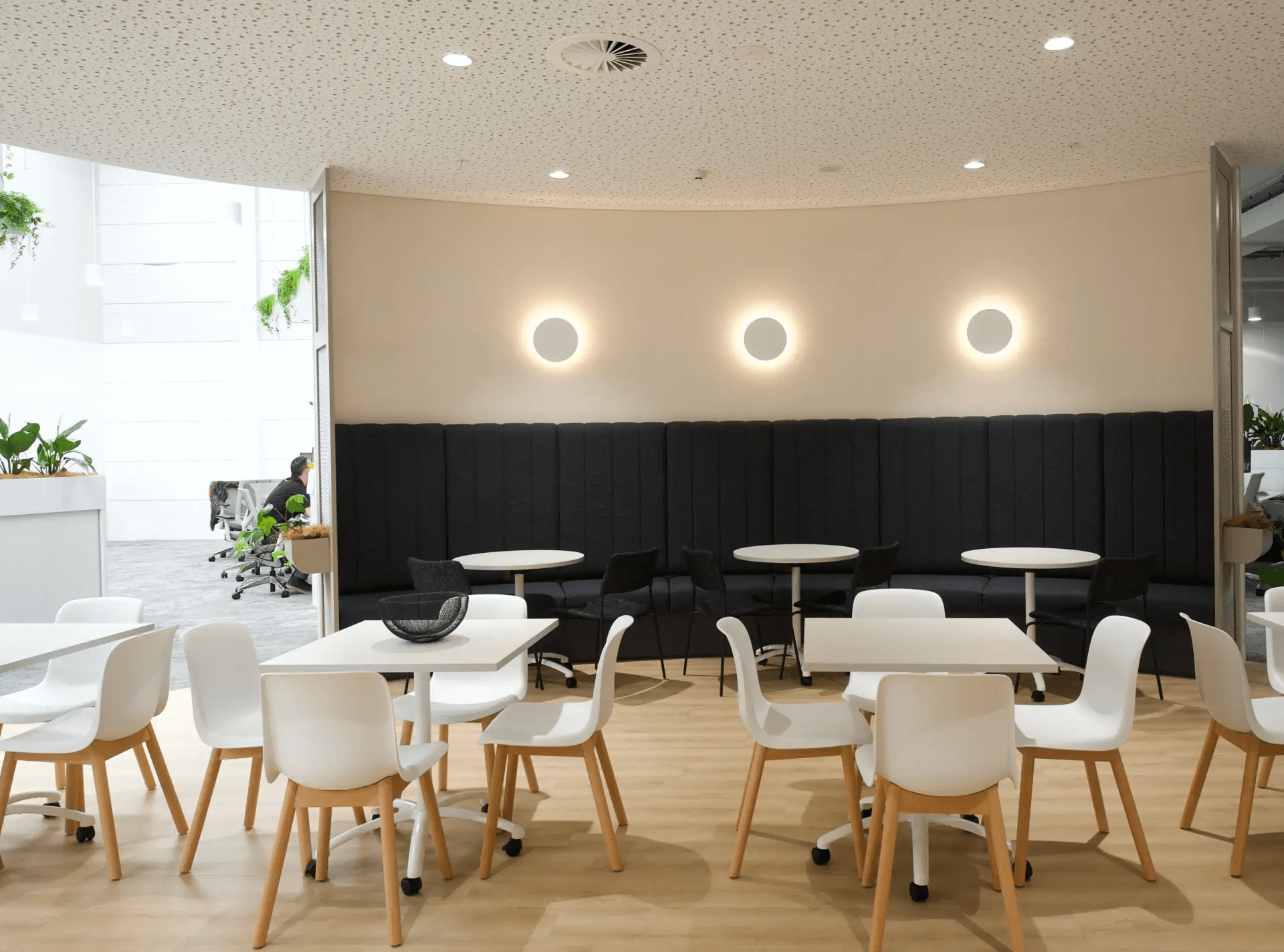
A collaboration space is a flexible area within a workplace designed to encourage interaction, creativity, and teamwork. Unlike traditional workstations or formal meeting rooms, these spaces enable employees to collaborate spontaneously on tasks such as brainstorming ideas, planning projects, or solving complex problems without the formality of scheduled meetings. The goal of a collaboration space is to remove barriers and stimulate connection. In today's modern workplace design, where hybrid work is becoming the norm, these environments enable teams to work together more effectively, regardless of how or where they log in.
Why Do Modern Offices Need Collaboration Spaces?
In today's evolving work environment, collaboration is more than just a buzzword, it's a fundamental aspect of successful business culture. As Australian companies transition to hybrid office layouts, the need for intentional, well-designed collaboration spaces has increased significantly. These environments facilitate spontaneous conversations, expedite decision-making, and foster team bonding. These functions are essential in today's flexible and fast-paced work environments, where agility and quick decision-making are crucial.
Research shows that companies with collaborative environments experience a 30% increase in employee engagement and a 20% boost in innovation. This proves that the right workspace design can directly contribute to organisational success.
Traditional boardrooms and static desks no longer support the fluid nature of hybrid teamwork. Employees need areas that cater to both digital and in-person collaboration. That's where office collaboration spaces come in: they're designed to be dynamic, multipurpose, and people-centric.
At Stemar Group, we understand these changing needs. As a leader in commercial office fitout in Sydney, we help organisations reimagine their workspaces by creating zones that foster agility, creativity, and productivity. Whether you're a tech startup or a corporate headquarters, incorporating collaboration space design into your office is no longer optional, it's essential for attracting and retaining top talent.
Read also: Commercial Fitout and Refurbishment: Which One Does Your Project Need?
Types of Collaboration Spaces
There's no one-size-fits-all when it comes to designing a great collaboration space. Different teams require different environments depending on the nature of their work, the size of their organisation, and how often they collaborate. That's why at Stemar Group, we work closely with clients to incorporate multiple types of collaboration spaces within a unified fitout strategy.
Here are six practical formats we recommend in a modern agile workspace design:
1. Informal Huddle Zones
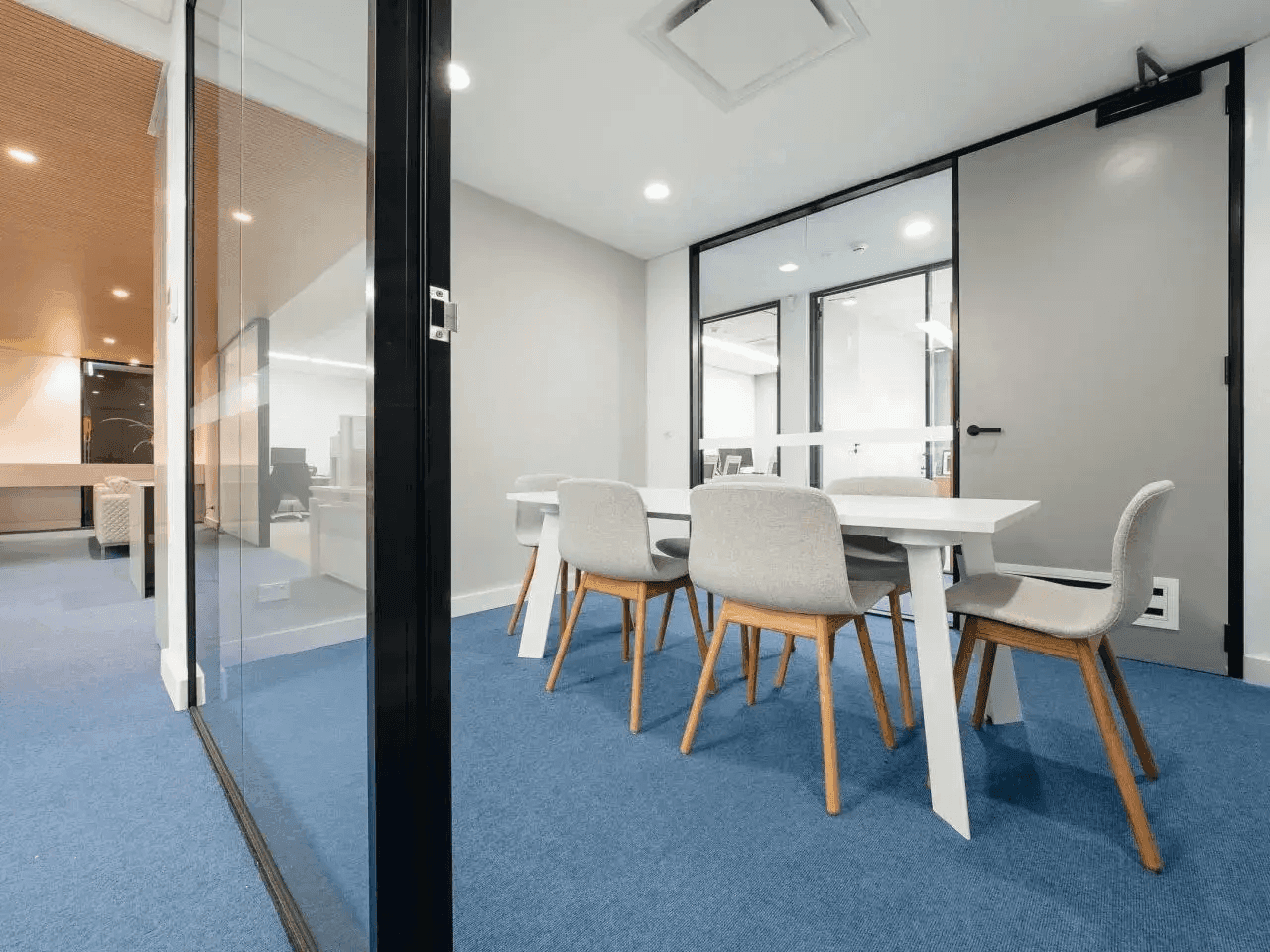
These are open, casual areas that invite quick conversations or stand-up meetings. Featuring lounge seating, writable surfaces, and display screens, huddle zones allow teams to align quickly without booking a formal meeting room.
2. Quiet Think Spaces
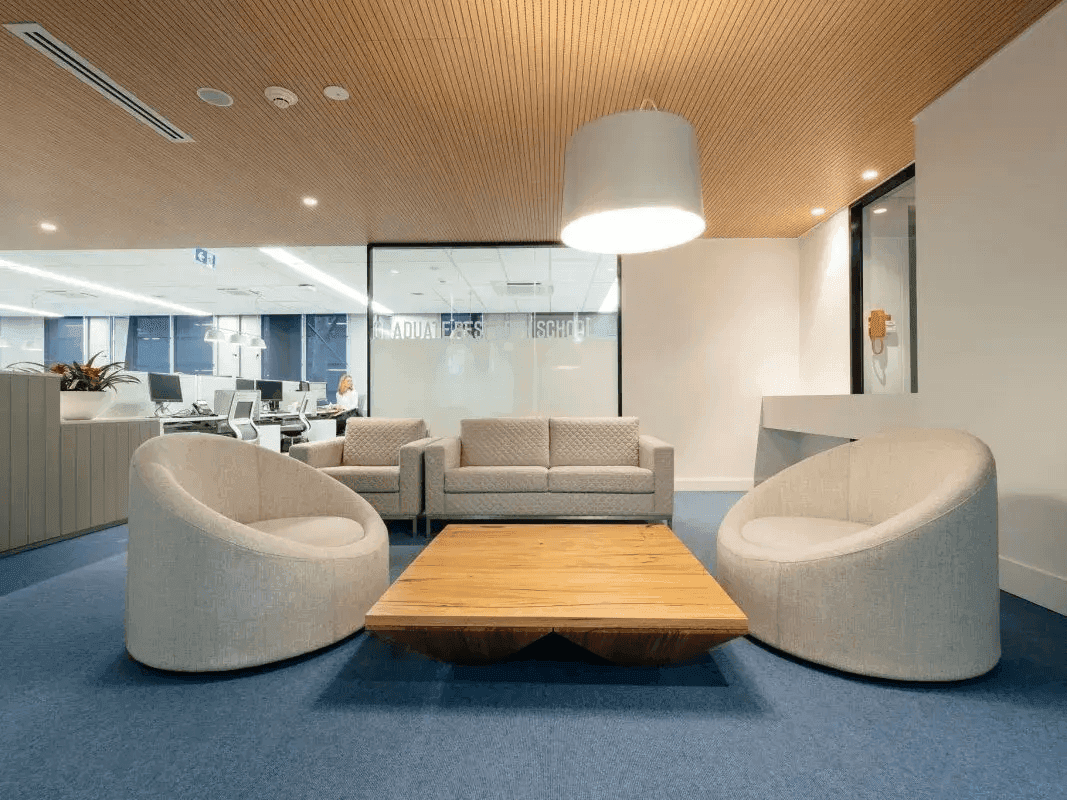
For deeper focus and small-group brainstorming, quiet zones give employees a break from the buzz of open offices. These are ideal for early-stage ideas or tasks that require uninterrupted thinking.
3. Breakout Spaces
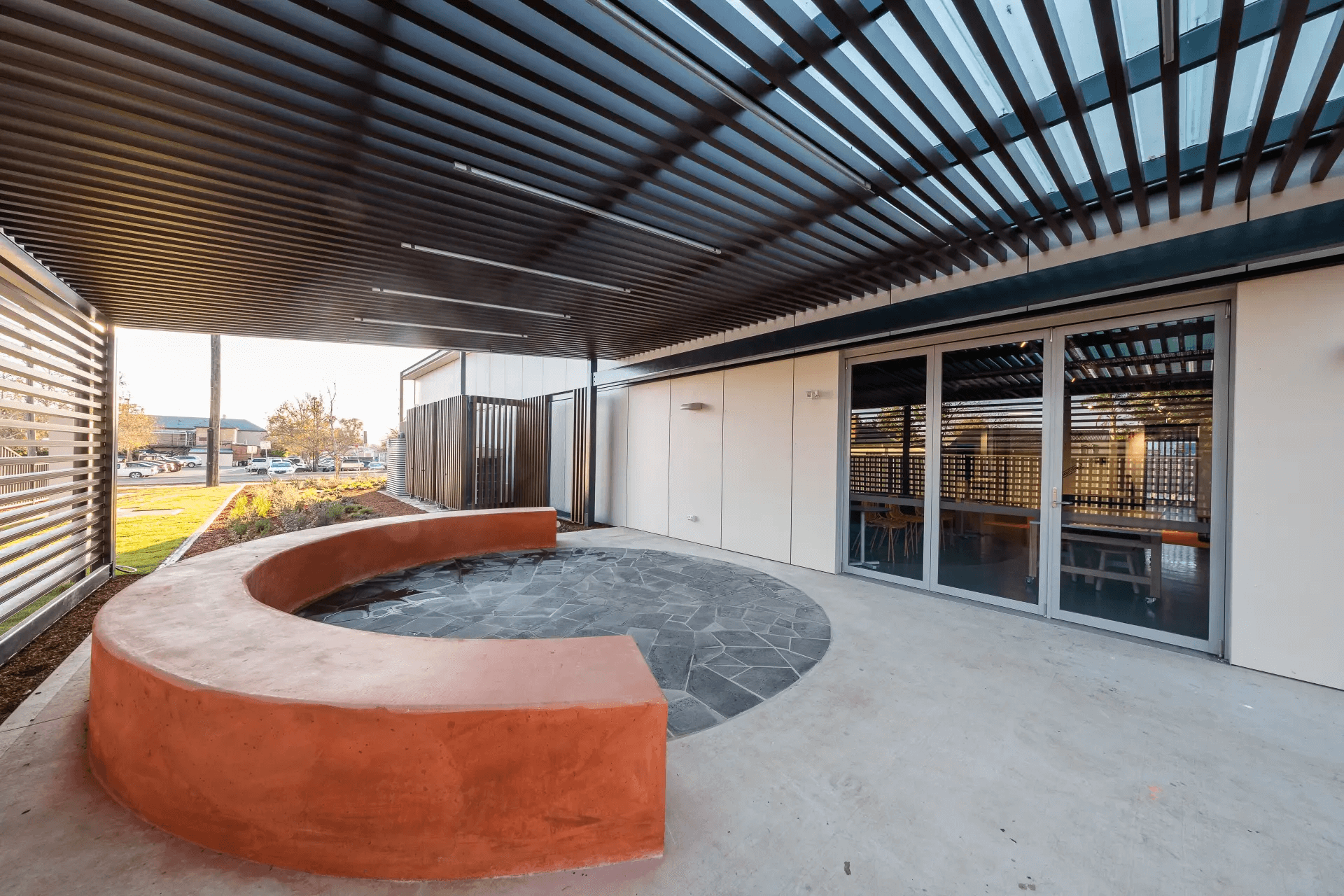
Breakout spaces are semi-enclosed nooks or pods located near workstations. They provide flexible zones for spontaneous chats, quick regrouping, or quiet solo time without full isolation.
4. Project Rooms (War Rooms)
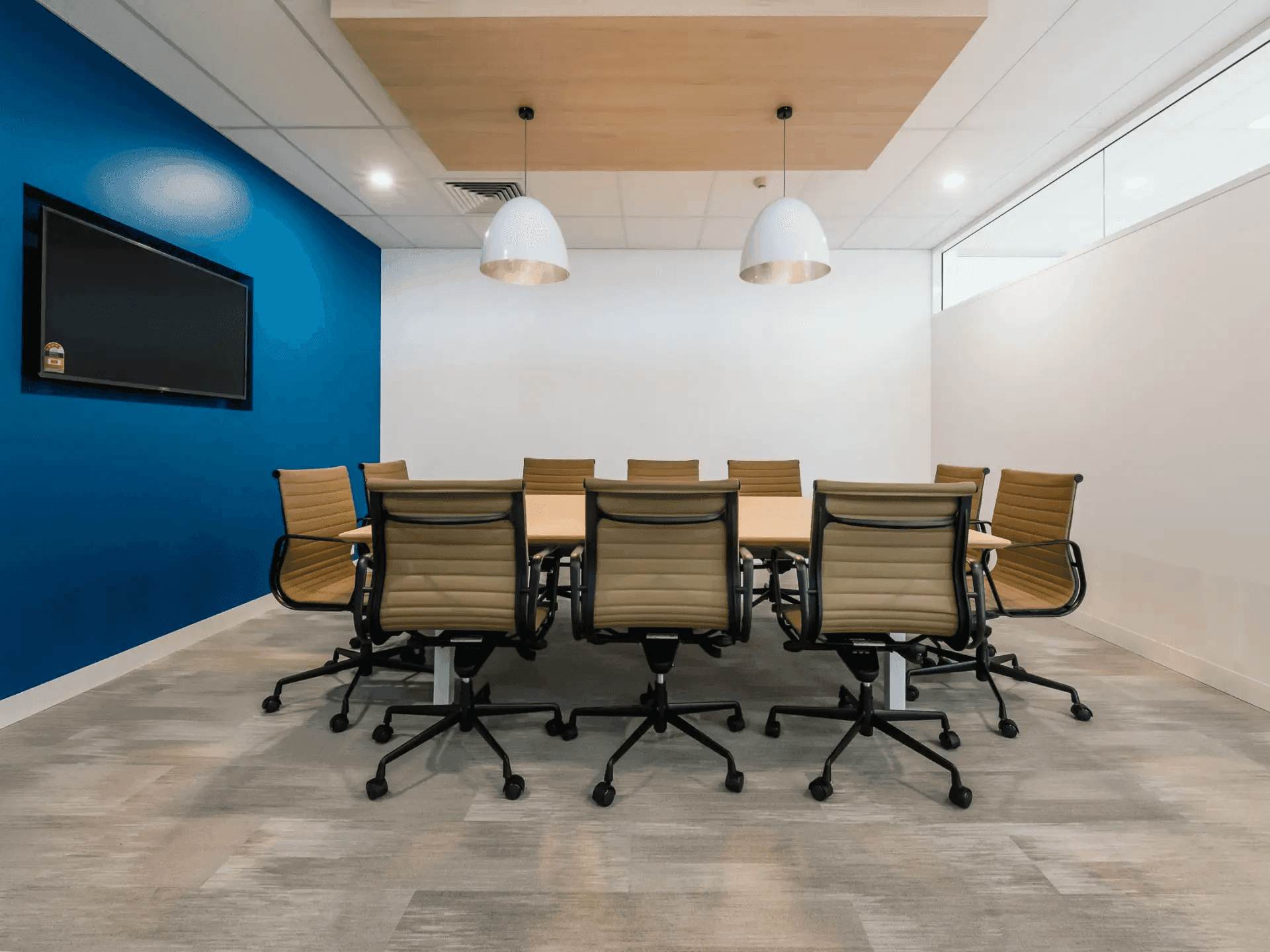
These spaces are dedicated to intensive, ongoing teamwork. Whether you're mapping out a new product or launching a campaign, project rooms support the messiness of creative work, with wall space, boards, and movable furniture.
5. Open Café Lounges
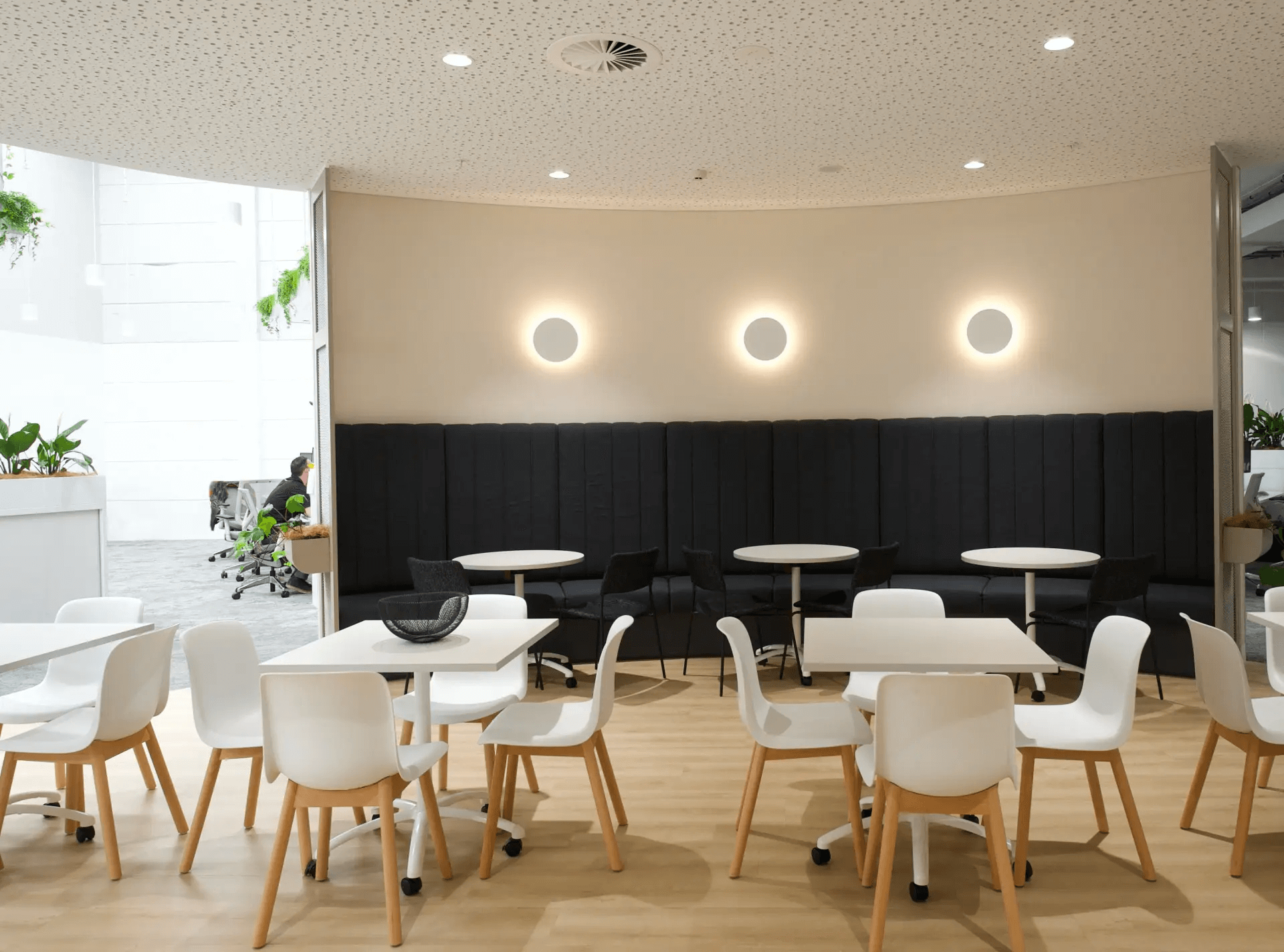
By blending hospitality and productivity, café-style lounges encourage informal interaction and cross-departmental dialogue. They're often a favourite meeting room alternative, especially for hybrid or client-facing teams.
6. Virtual Collaboration Pods
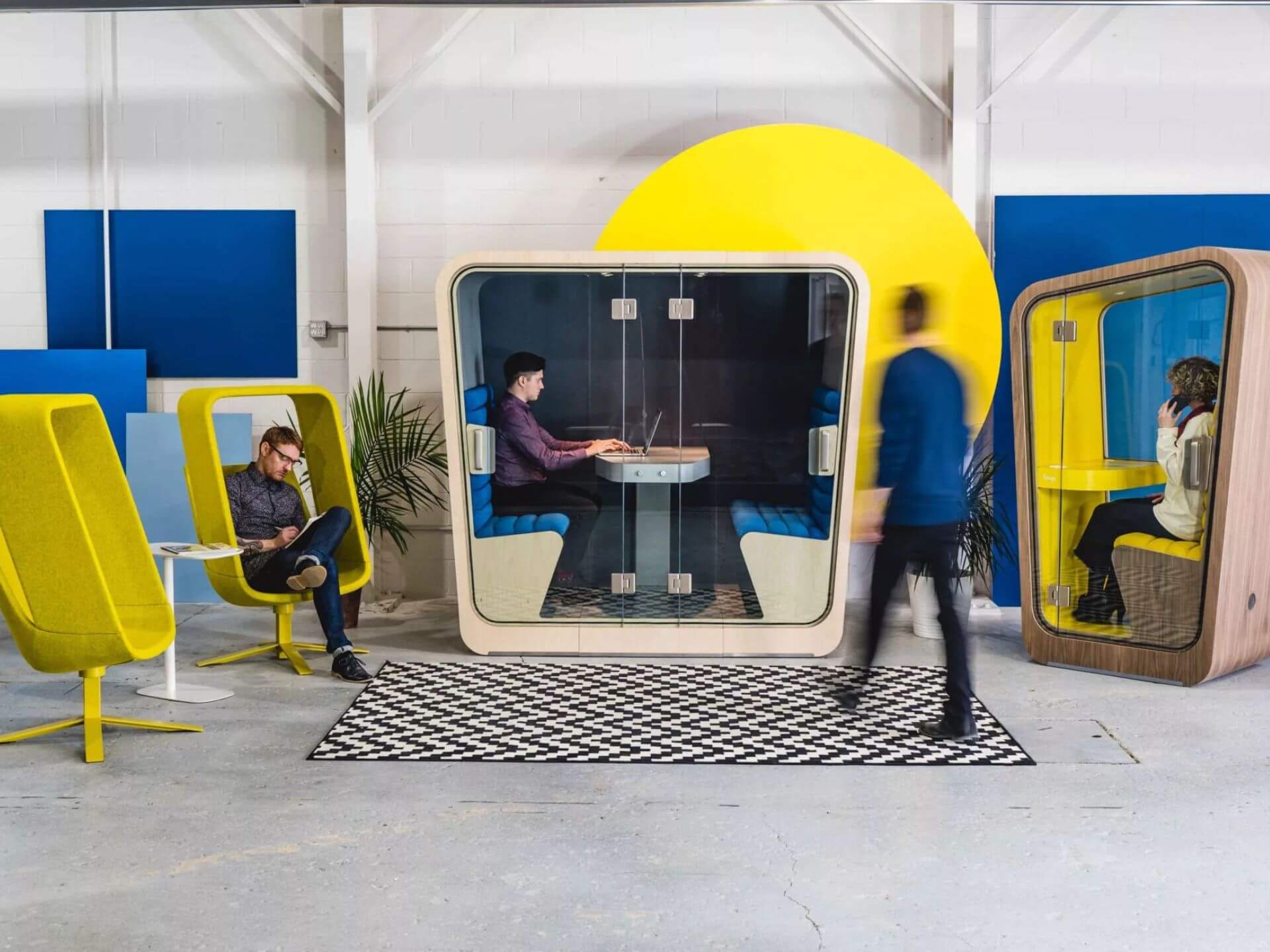
These sound-treated zones are built for hybrid teams. Equipped with video conferencing tech and ergonomic seating, they ensure remote team members can collaborate as effectively as those in the office.
Combining several types of collaboration spaces ensures that your workplace can adapt to your team's needs. A core principle of successful agile workspace design.
Read also: Top Office Design Trends 2025
Design Principles for Effective Collaboration Spaces
Creating a high-performing collaboration space requires more than just trendy furniture or open floor plans. At Stemar Group, we approach every commercial office fitout in Sydney with a clear understanding of how people work, move, and interact, ensuring each design supports collaboration in both function and form.
Here are the key design principles we use to shape great office collaboration spaces:
1. Flexibility and Modularity
Collaboration doesn't happen the same way every day. That's why we incorporate modular furniture, mobile partitions, and adaptable layouts that allow teams to easily shift the layout for various uses, such as arranging a circle of chairs for brainstorming or setting up rows for a presentation.
2. Lighting and Acoustics
Natural light boosts mood and productivity, while proper acoustic treatment reduces distractions. From sound-absorbing panels to quiet zones, striking a balance between openness and control is crucial in any collaborative space design.
3. Technology Integration
A well-designed collaboration space integrates technology like wireless sharing screens, video conferencing tools, and built-in power access to support seamless teamwork. This is especially important as more businesses adopt hybrid office layouts.
4. Accessibility and Inclusivity
True collaboration is inclusive. We ensure all users, regardless of physical ability or work style, feel comfortable and accommodated in the space.
5. Branding and Identity
Design should reflect the company culture. Colour schemes, material choices, and visual elements create a sense of belonging and pride. Every modern workplace design should feel uniquely yours.
By embedding these principles into each build, Stemar Group ensures that every collaboration space functions not just as a room, but as a living part of your organisation's culture and success.
How to Plan a Collaborative Workspace
Planning a collaborative workspace can seem daunting, especially with so many factors to consider: office layout, furniture, technology, and employee needs. Here's a step-by-step guide to help you get started.
1. Initial Consultation and Discovery
The first step is understanding your company's unique needs and culture. This means assessing:
- Team dynamics and how employees collaborate.
- Technology needs for video conferencing, data sharing, and hybrid work.
- Space requirements based on team size, workstyles, and hybrid arrangements.
2. Space Planning and Concept Design
With a clear understanding of your goals, the next step is designing your office collaboration zones. Key elements to consider include:
- Zoning for different work activities (e.g., collaborative areas, quiet zones, hybrid workspaces).
- Furniture layout to ensure maximum efficiency and comfort.
- Technology integration for seamless collaboration (AV systems, room booking software, wireless charging stations).
3. Design Refinement and Customisation
Refine the layout and details based on feedback. This is when you select collaborative workspace furniture that aligns with your office culture and your team's work needs. Sustainability features should also be prioritised, using eco-friendly materials and practices.
4. Fitout Construction and Installation
With the design finalised, move into the fitout phase. Key focus areas during construction include:
- Furniture installation (ergonomic, flexible, and tech-enabled).
- Technology integration (AV systems, video conferencing, room booking).
- Workplace optimisation (soundproofing, lighting, biophilic design).
5. Post-Occupancy Support and Optimisation
After your new collaborative workspace is complete, ongoing support ensures the space keeps performing. This includes:
- Employee feedback surveys to understand how the space is being used.
- Space optimisation for future growth or changes in team dynamics.
- Technology updates and troubleshooting as needed.
How Stemar Group Designs and Builds Collaboration Spaces
At Stemar Group, we design custom collaboration spaces tailored to your team's workflow. As one of the trusted fitout companies in Sydney, we start by understanding your people, workflows, and goals. From there, we design the right mix of breakout spaces, quiet zones, and hybrid-ready areas, all tailored to reflect your brand identity and physical workspace.
Once the design is approved, we handle the full commercial office fitout process, from construction to final styling. Whether you need a single collaboration space or a full hybrid office layout, we make sure the result is practical, on-brand, and ready for your team to use from day one.
Read also: 8 Smart Ways to Maximise Commercial Space Through Interior Design
Frequently Asked Questions about Collaboration Spaces
What is a collaboration space in an office?
A collaboration space is a dedicated area in the workplace designed to facilitate easier teamwork among employees. It supports teamwork, brainstorming, and informal meetings without requiring a formal boardroom.
How is a collaboration space different from a meeting room?
Unlike a traditional meeting room, a collaboration space is more flexible and informal in nature. It can be used for quick catch-ups, creative sessions, or hybrid teamwork, often without needing to book it in advance.
What are the types of collaboration spaces?
Common types include breakout lounges, quiet pods, huddle zones, project rooms, and café-style areas. The best office layouts combine several of these to suit different working styles.
Why do modern offices need collaboration spaces?
Today's hybrid work environment demands flexibility. Collaboration spaces facilitate seamless connections between in-person and remote teams, enabling them to share ideas, solve problems, and work together efficiently.
Can Stemar Group build collaboration spaces in existing offices?
Yes. Whether you're upgrading a small section or planning a full commercial office fitout in Sydney, Stemar Group can design and deliver collaboration spaces that suit your team and budget.