Regans Accountants
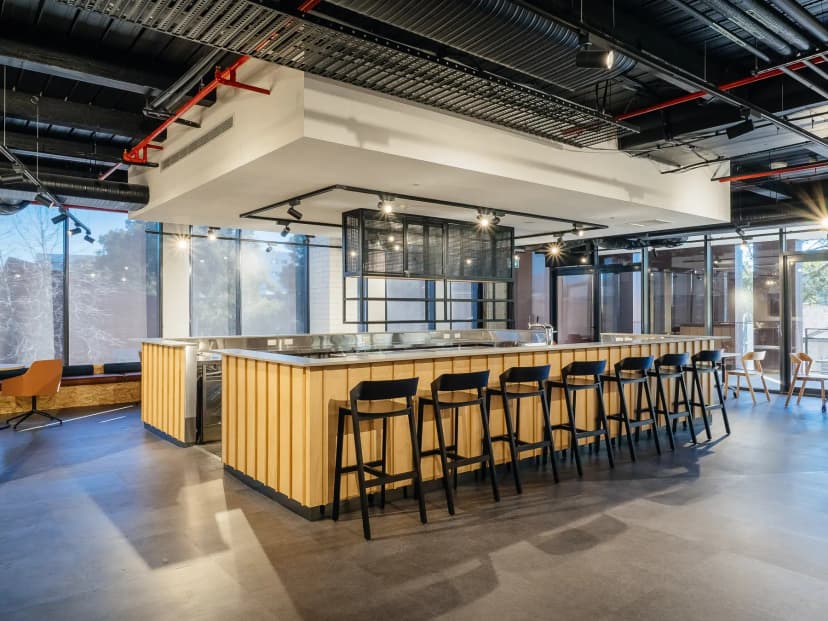
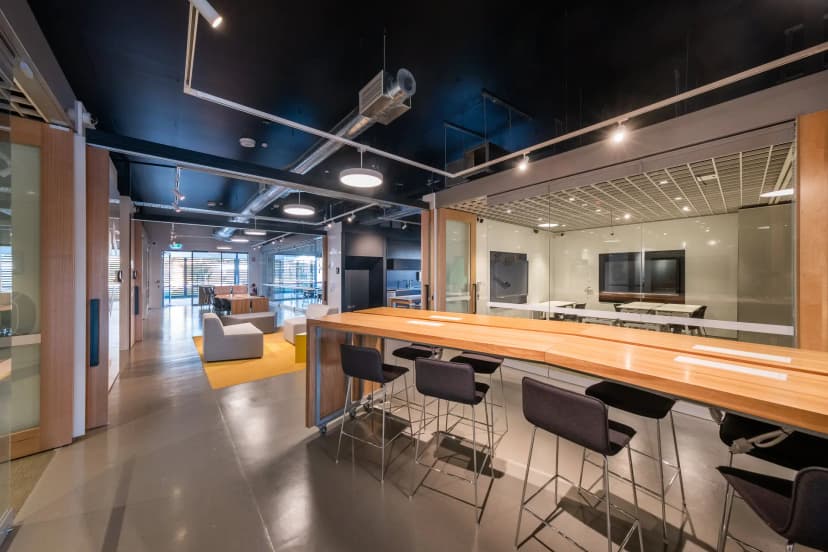
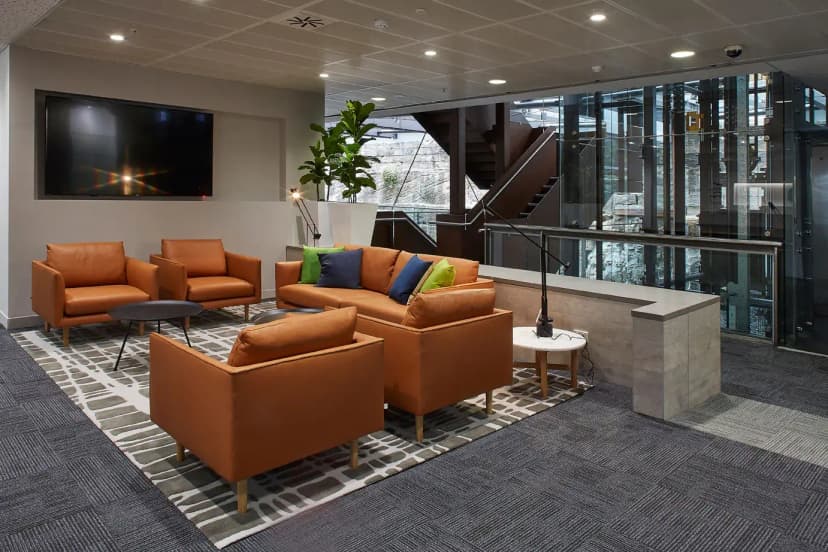
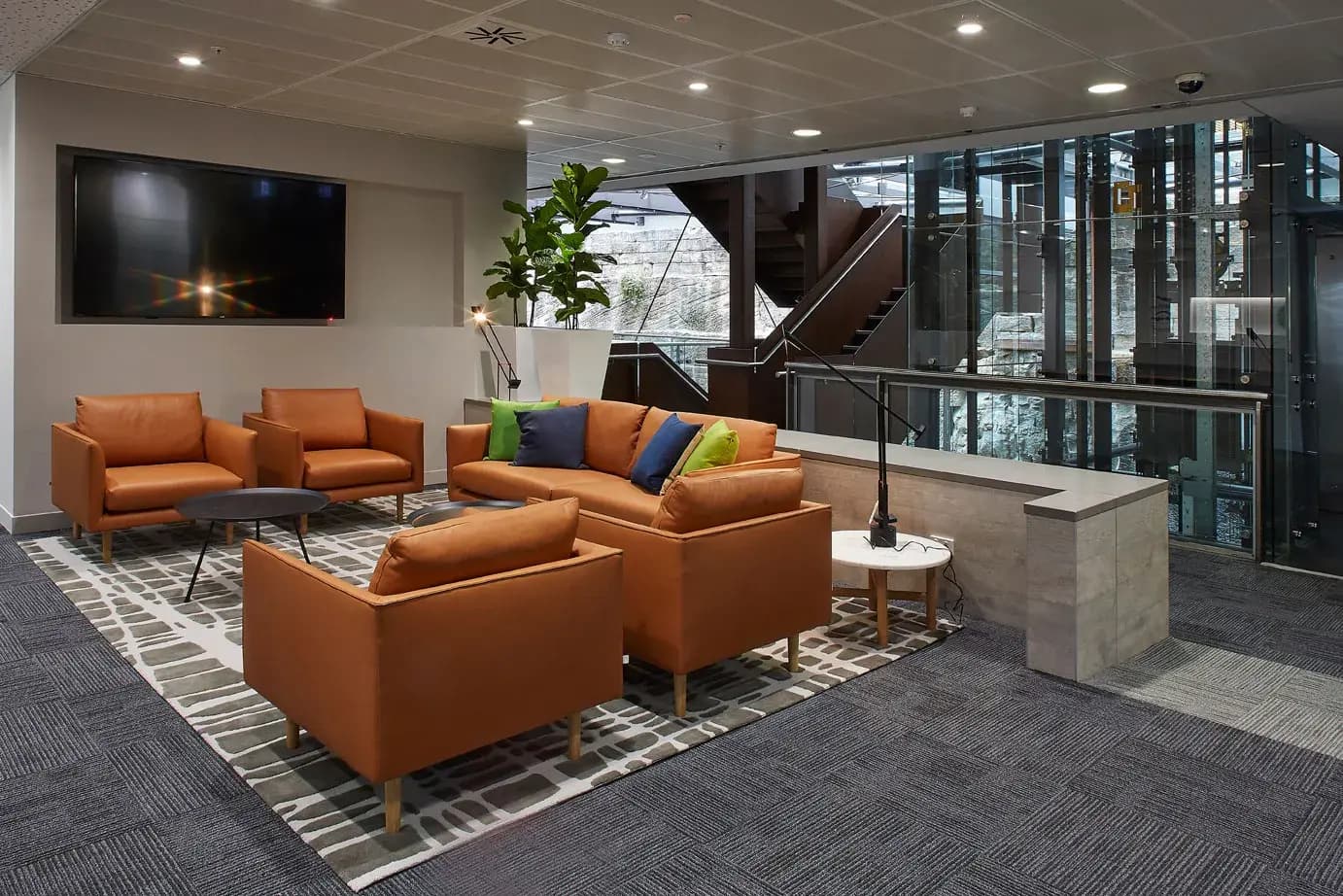
A full office refurbishment that balanced open plan collaboration with private client meeting rooms. Updated finishes, improved workflow, and a professional space that reflects the quality of their services.

AASB S2 mandatory climate reporting is phasing in now. Group 2 entities report from July 2026. Group 3 — covering businesses with $50M+ revenue, $25M+ assets, or 100+ employees — follows from July 2027. Your sustainable office strategy starts with the space you already have. Stemar delivers measurable NABERS improvements, ESG-ready documentation, and fixed-price quotes.
Every existing wall, ceiling, and floor slab in your office carries embodied carbon: the emissions generated during its original manufacture, transport, and installation. Strip-out sends that carbon investment to landfill and demands new materials with their own emissions footprint. Refurbishment retains it.
The Green Building Council of Australia recognises that retaining and upgrading existing building elements reduces lifecycle carbon emissions compared to demolition and new construction. This is not a marginal difference. It is the foundation of sustainability in office design.
A standard strip-out of a 500sqm office generates tonnes of construction waste. Plasterboard, ceiling tiles, carpet, cabinetry. Refurbishment targets only what needs replacing. Stemar tracks every skip bin and recycling load, giving you documented waste diversion data for ESG reporting.
Sustainable office design is no longer a branding exercise. AASB S2 Group 3 applies from July 2027 to entities meeting two of three thresholds: $50M+ revenue, $25M+ assets, or 100+ employees. That captures thousands of mid-market Australian businesses who have never filed a climate disclosure. A sustainable office refurbishment is one of the most visible and measurable ESG actions a business can take. For a step-by-step breakdown, read our sustainable office refurbishment planning guide.
Stemar Group delivers sustainable refurbishment as part of our broader office refurbishment services. Based in Wetherill Park, we work with Western Sydney businesses upgrading office spaces within industrial and commercial facilities where sustainability improvements deliver both compliance outcomes and operational savings.
Greenwash is easy to spot. A contractor adds 'sustainable' to their website, marks up standard materials by 20%, and hands over a certificate of good intentions. Stemar takes a different approach: the sustainability scope is built into the project methodology, priced into the fixed quote, and documented with evidence your ESG advisor can use.
Based in Wetherill Park, at the centre of Sydney's industrial heartland, Stemar coordinates multiple trades under one project manager. That single point of coordination is essential for sustainable refurbishment because material certifications, waste tracking, and energy modelling require consistent oversight across every trade. Sustainability sits within our broader office refurbishment services.
Material certifications, waste diversion records, and energy consumption comparisons delivered as part of the project. Your ESG advisor gets evidence, not claims.
Every intervention is assessed for its impact on NABERS Tenancy Energy and Indoor Environment ratings before construction begins. No guesswork.
No surprise add-ons for FSC-certified timber. No hidden line items for low-VOC paint. The sustainable materials and documentation are included in the fixed-price scope.
NABERS rates energy efficiency on a 1-6 star scale, with each half-star improvement representing approximately 10% reduction in energy consumption. These interventions are ranked by their measurable impact on NABERS Energy and Indoor Environment ratings. The right combination depends on your existing space, lease structure, and the specific outcomes your business needs.
The single highest-impact intervention for NABERS Tenancy Energy ratings. Replacing fluorescent tubes with LED panels and adding occupancy sensors and daylight dimming reduces lighting energy consumption by 50-70%. Visible in the first quarterly energy bill.
Second highest impact on NABERS Energy. Older Western Sydney industrial-office hybrids often run oversized HVAC systems. Supplementary split systems or VRV units sized for the office component alone reduce energy draw significantly.
Directly contributes to NABERS Indoor Environment ratings. Low-VOC adhesives rated below 50g/L and paints meeting Green Star VOC limits improve measurable indoor air quality. These materials are standard in Stemar's specifications, not an optional upgrade.
Repositioning enclosed offices away from perimeter windows and using glass partitions instead of solid walls increases natural light penetration. This reduces artificial lighting load and improves NABERS Indoor Environment scores. The layout change costs nothing extra during a refurbishment.
FSC-certified timber joinery and recycled-content carpet tiles support Green Star fitout ratings and provide documented material sourcing data for ESG reporting. Stemar sources these through established Western Sydney suppliers.
Western Sydney's temperature extremes, regularly exceeding 40°C in summer, make thermal performance critical. Adding or upgrading insulation in office ceilings and walls reduces HVAC load by 15-25%. The energy savings compound over every summer and winter.
Sub-metering and building management system integration give you real-time visibility into energy consumption by zone. This data drives ongoing optimisation after handover and provides the quarterly evidence trail your ESG advisor needs for AASB S2 climate disclosures.
A sustainable refurbishment that cannot be documented is a missed opportunity. For businesses subject to AASB S2, the physical workspace is one of the few areas where environmental improvements produce hard, auditable data. Stemar builds documentation into the project workflow, not as an afterthought.
Stemar assesses your current energy consumption, audits existing materials, and establishes your NABERS starting point. This baseline becomes the benchmark against which every improvement is measured. Without it, post-refurbishment claims are unverifiable.
Every FSC certificate, low-VOC test result, and recycled content declaration is collected during procurement and filed against the project. Waste diversion is tracked with tonnage records, recycling receipts, and disposal documentation throughout the build.
After handover, Stemar documents energy consumption comparisons and supports indoor air quality testing. This data feeds directly into your NABERS reassessment and provides the evidence layer for AASB S2 climate disclosure reporting.
Some sustainable materials carry a 10-15% premium over standard alternatives. The offset is measurable: energy-efficient lighting and right-sized HVAC deliver savings every quarter. Improved NABERS ratings can reduce outgoings in gross lease structures. The premium pays back, but the upfront cost is real. Stemar includes the sustainability scope in the fixed-price quote.
Same principal-led approach, same trade coordination, same fixed-price delivery. Here is what that looks like in practice.
A full office refurbishment that balanced open plan collaboration with private client meeting rooms. Updated finishes, improved workflow, and a professional space that reflects the quality of their services.
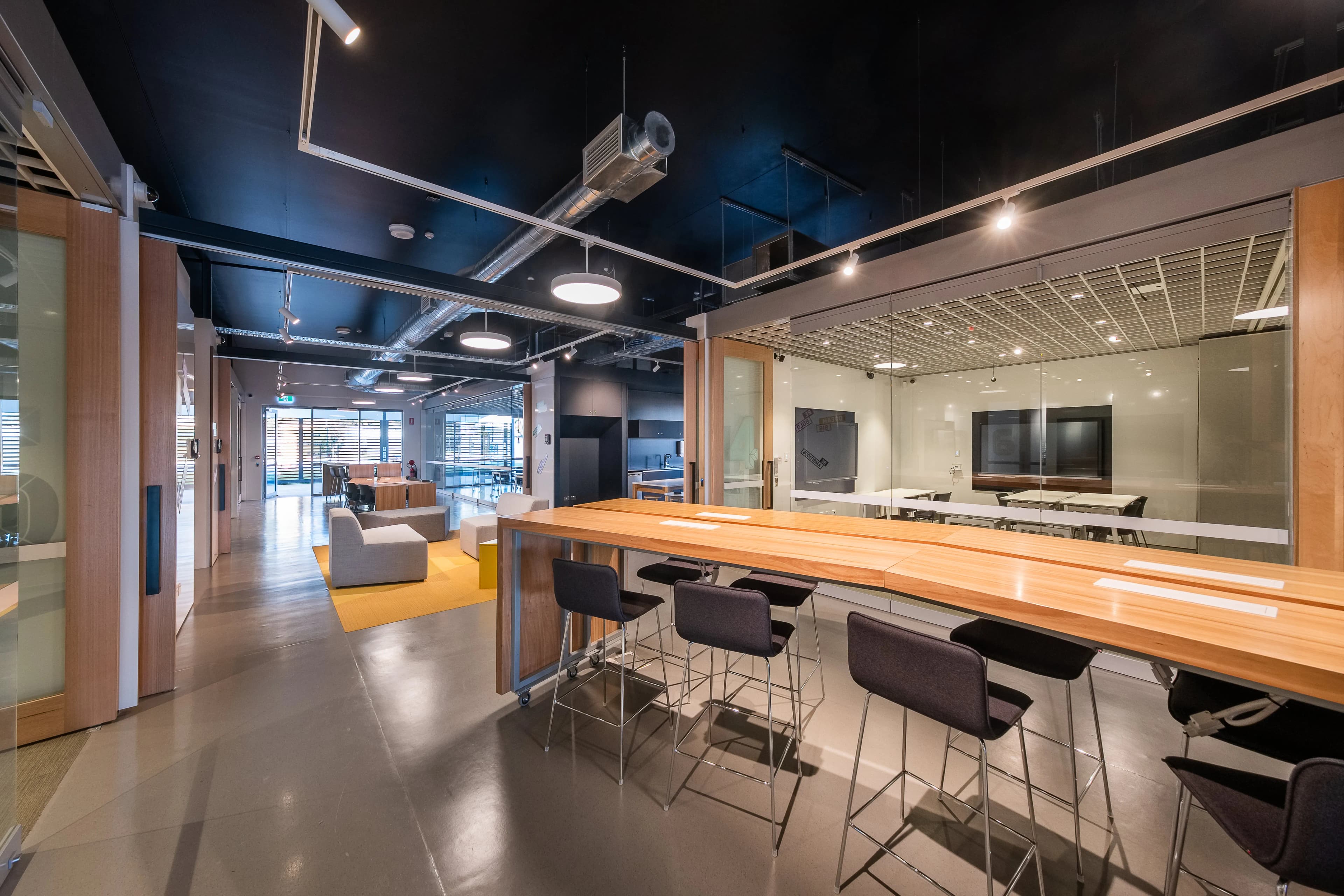
A comprehensive refurbishment of classrooms and training areas for TAFE NSW in Scone. Modern, flexible learning spaces that support new teaching methods and meet compliance standards.
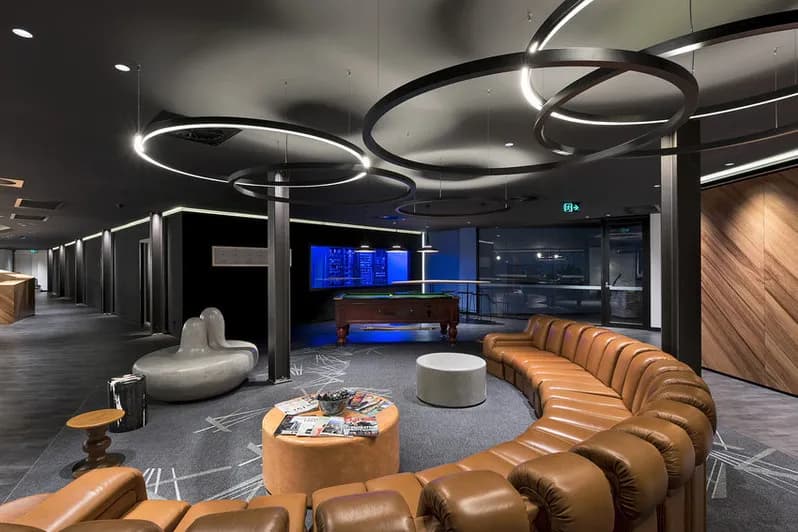
A refurbishment for Stellar at Fox Studios designed to support media production and client engagement. Acoustic treatments, flexible layouts, and integrated technology in a space built for both daily work and visiting partners.
“The Stemar team delivered exactly what we needed on time and on budget. Their professionalism and ease of collaboration made the entire process smooth. Not only was their workmanship exceptional, but their ability to understand and execute our vision was remarkable. I definitely recommend them for any office fit-out needs.”

“As an accountant new to office fit-outs, Stemar exceeded all expectations. Steve and Mario's expertise in both workmanship and design transformed our vision into reality. Their passionate approach to understanding our needs made the process both enjoyable and exciting. The end result showcases their commitment to quality and attention to detail.”