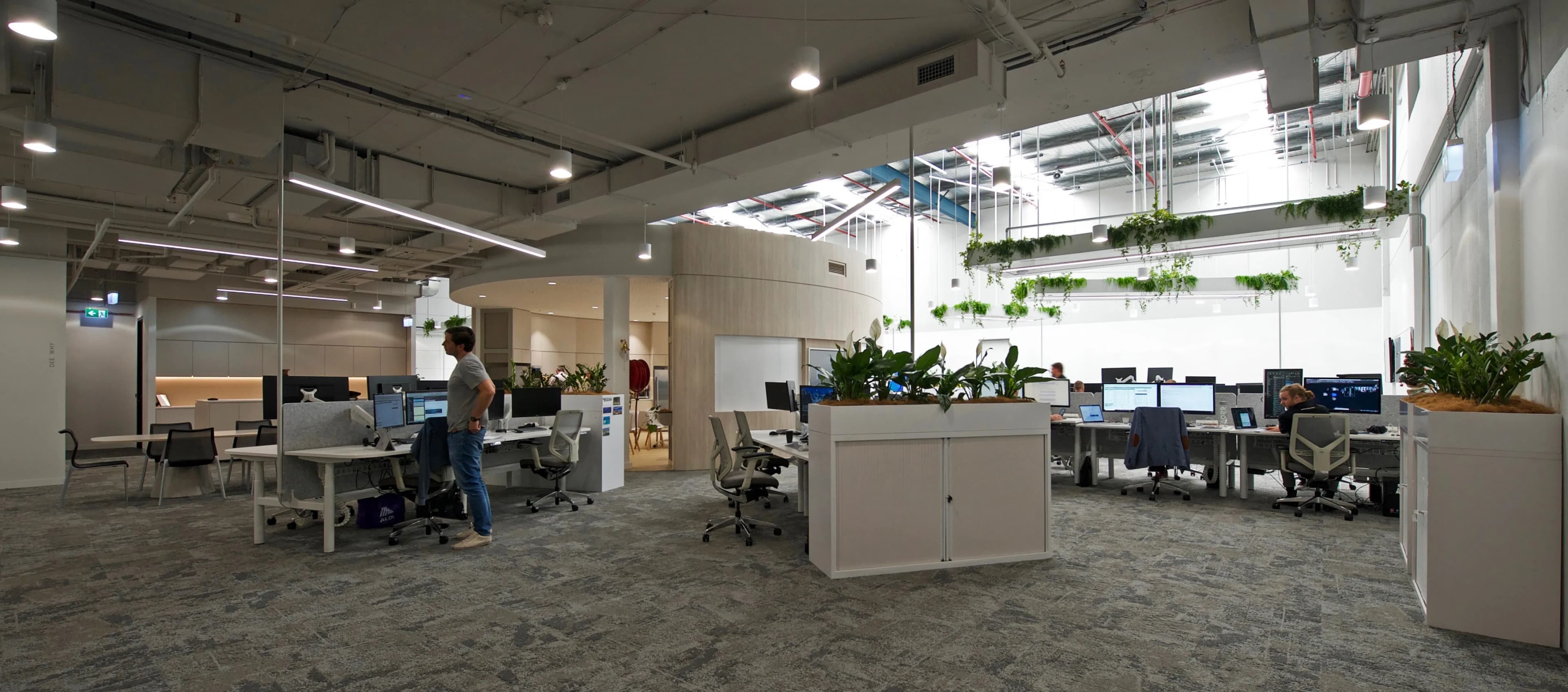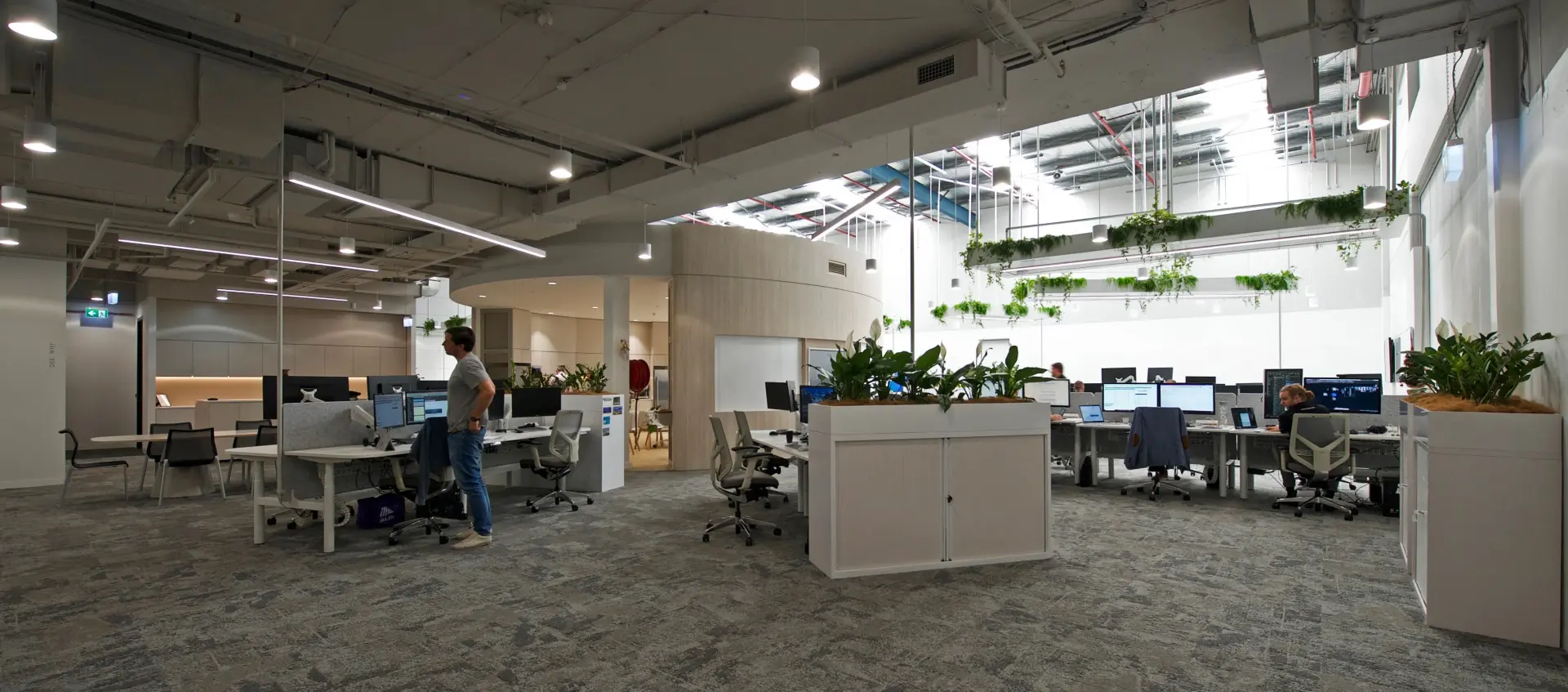
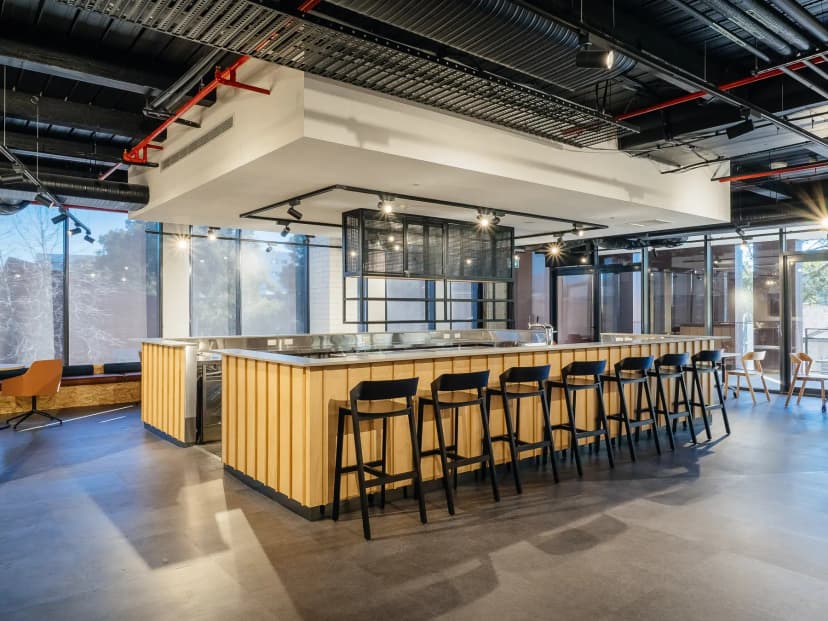
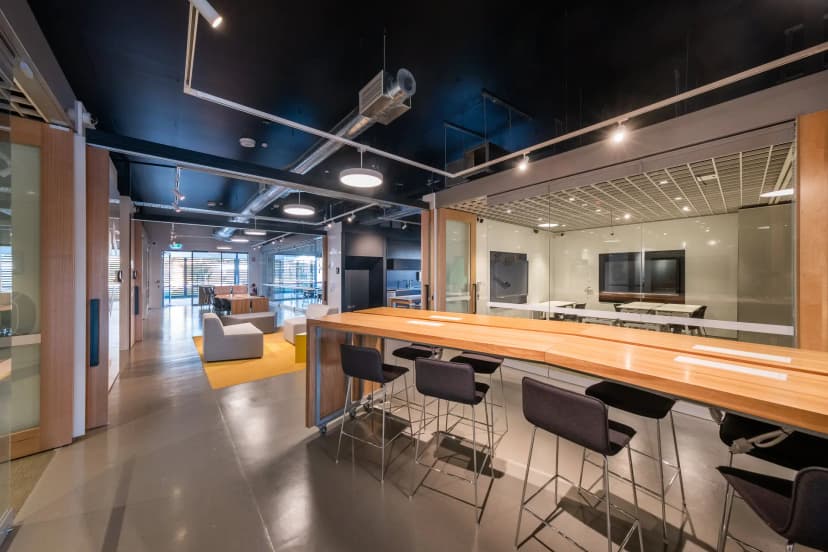
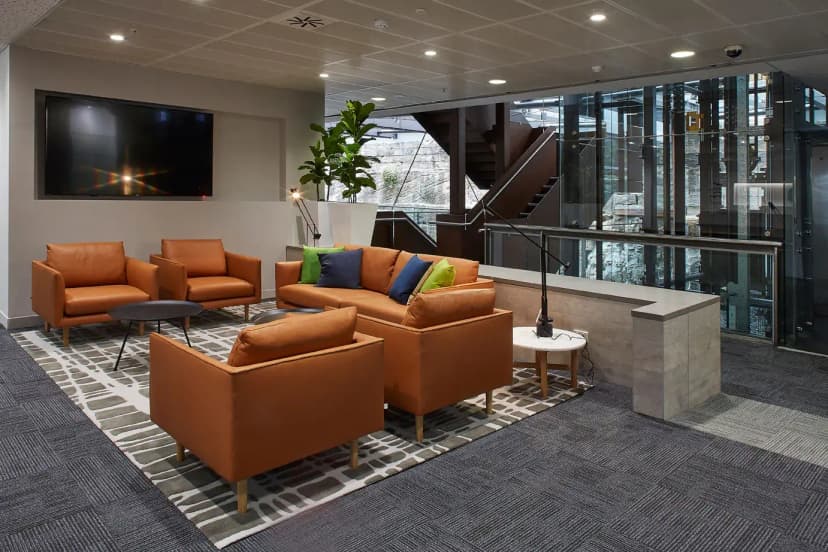
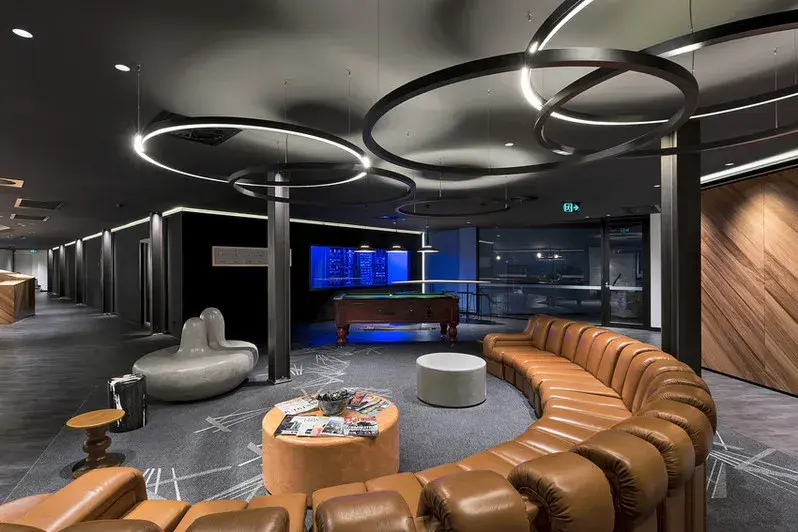
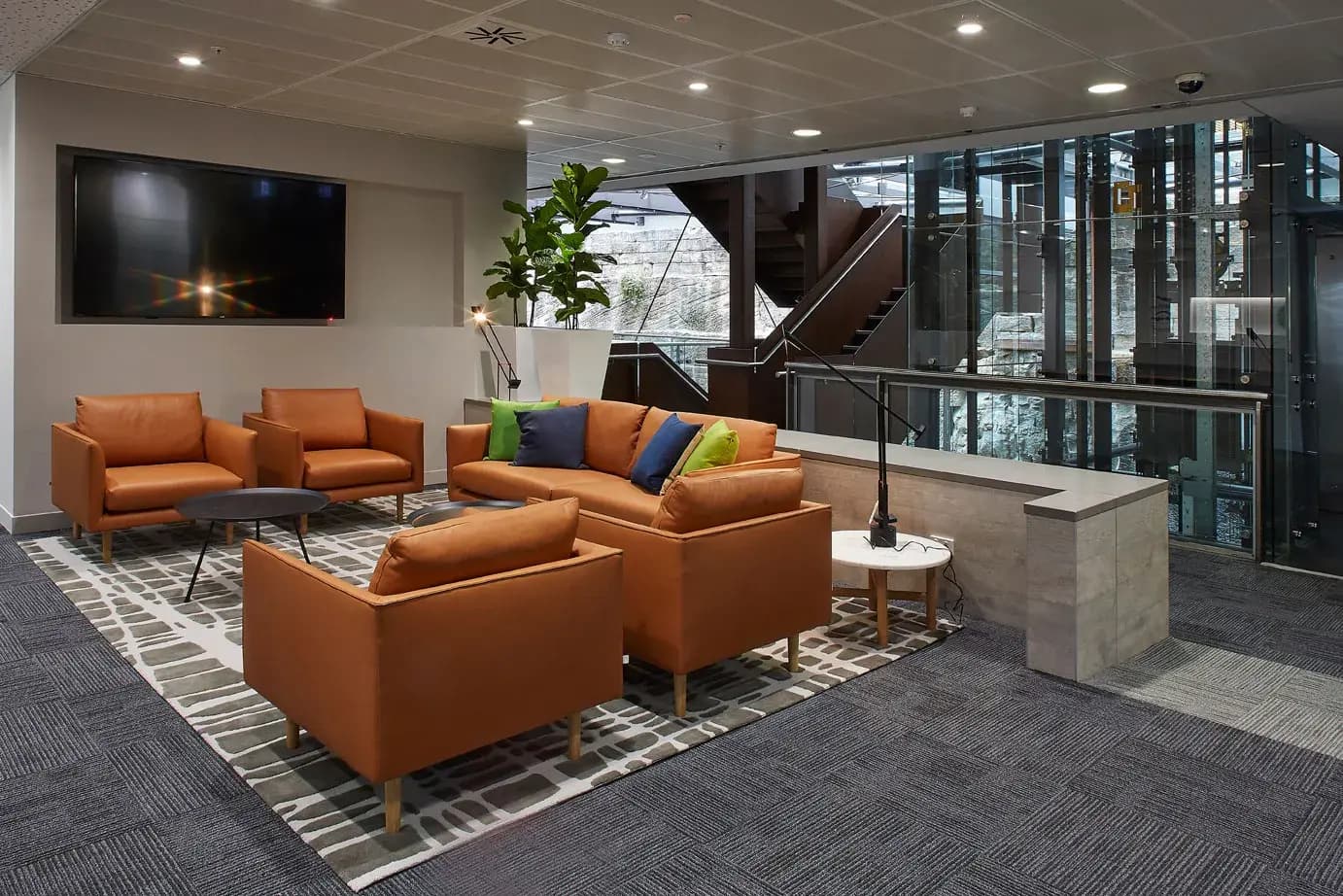
Commercial fitout project delivered by Stemar Group in Sydney

commercial fitout sydney

Trusted by 200+ Sydney businesses for commercial office fitouts, warehouse conversions, and strata suites. Delivered on time, on budget, and without the runaround.

How to Choose a Commercial Fitout Company

Five criteria that reveal whether a commercial fitout company does the work or clips the ticket. Apply these to every company on your shortlist.

01

In-House Trades vs Subcontractors

Companies with in-house teams control quality and timelines. Brokers don’t

  • Employed trades mean direct scheduling control
  • Subcontracted trades work to their own timeline, not yours
  • In-house capability shows up in quality consistency across trades
  • If trades are outsourced, delays and miscommunication are common
02

Fixed-price Quoting with Documented Scope

A real fixed price protects you from hidden costs, not just a sales promise

  • Detailed inclusions list with line items, not general descriptions
  • Exclusions register so you know what is not covered
  • Written variation process requiring your approval before any cost increase
  • No inclusions list? Expect budget blowouts
03

Clear Delivery Accountability

The person who wins your job should stay involved through delivery. If not, expect delays and miscommunication

  • Decision-maker stays close to delivery
  • Junior PM handoff creates approval bottlenecks
  • Single point of accountability reduces finger-pointing
  • If responsibility shifts after signing, accountability disappears
04

Council and Compliance Knowledge

Experience with your local council can save weeks, or cost you delays

  • Pre-lodgement experience reduces approval delays
  • Local knowledge of DA vs CDC pathways saves weeks
  • Familiarity with council officers speeds communication
  • No local experience? Expect approval delays and rework
05

Defects Liability and Aftercare

A company that builds your project should stand behind it, not pass you to someone else

  • 12-month defects liability period is the industry standard
  • In-house trades mean the same people fix any issues
  • Broker models create a gap between accountability and execution
  • If you’re dealing with multiple parties after handover, accountability is already lost

Why most fixed-price fitout quotes are not actually fixed

Most “fixed-price” quotes aren’t actually fixed, they’re estimates that leave room for cost increases later. Without a detailed inclusions list, clear exclusions, and a defined variation process, the final price often ends up far higher than expected.

Quote Lacks a Detailed Inclusions List

If the quote uses general terms like "electrical works" or "carpentry as required" without quantities, locations, or specs, it is an estimate, not a fixed quote.

Provisional Sums for Major Items

Provisional sums for electrical, HVAC, or plumbing mean costs are not properly defined. These items often increase the budget once actual pricing is confirmed.

No Documented Variation Approval Process

Without a written process, variations are agreed verbally and lead to disputes. Proper changes require a defined scope, cost, and approval before work begins.

Scope Described in General Terms

A scope like "fitout of Level 2 office space" lacks detail. A proper scope defines materials, quantities, and deliverables to avoid costly interpretation.

How Office Fitout Companies Actually Control Your Timeline

A commercial fitout involves multiple trades. When managed under one project manager, timelines stay controlled and delays are reduced.

One delayed trade pushes everything behind it. In-house teams keep scheduling tight and predictable.

Single PM Scheduling

One project manager controls all trades. Decisions happen quickly without delays between subcontractors.

In-House Trade Teams

Electricians, carpenters, and trades work to your schedule, not across multiple jobs.

Staged Delivery Capability

Work is phased so your business can keep operating while the fitout progresses.

After-Hours Scheduling

Disruptive work is scheduled outside business hours to minimise impact on your team.

5 Questions to Ask Before Hiring a Commercial Fitout Company

Use these questions on every commercial fitout company on your shortlist, including Stemar.

  • 1

    Which Trades Do You Control Directly?

    A good answer names specific in-house trades and how they are managed. A red flag is vague language like "trusted partners" or "subcontractor network." If trades are not controlled directly, scheduling and quality are harder to manage.

  • 2

    Can I See a Detailed Scope From a Fixed-Price Project?

    A good answer shows a detailed document with room-by-room scope, materials, and quantities. A red flag is a short summary or reluctance to share. The scope reveals whether pricing is precise or estimated.

  • 3

    Who Manages My Project Day to Day?

    A good answer clearly identifies the project manager and confirms continuity from planning to delivery. A red flag is being handed over after signing, which often leads to misalignment.

  • 4

    How Do You Handle Variations and Approvals?

    A good answer defines a written process with scope, cost, and approval before work begins. A red flag is handling changes informally, which often leads to disputes and cost overruns.

  • 5

    Do You Have Local Experience and Flexible Delivery?

    A good answer includes experience with your council, realistic approval timelines, and the ability to stage work or schedule after hours. A red flag is generic responses or limited flexibility.

  • Ready to Compare Fitout Companies?

    Talk to a principal at Stemar about your project. We will answer all of these questions upfront.

Stemar Group Projects principal on a commercial fitout site in Western Sydney

The same person from quote to delivery

At Stemar, the person who quotes your project stays involved through delivery. You deal with the same decision-maker, from first conversation to handover.

The principal who quotes your job stays involved throughout delivery, as the decision-maker on site. For businesses in Parramatta, Penrith, Liverpool, and surrounding areas, this is backed by deep Western Sydney council knowledge. See our office fitout services across Western Sydney for council-specific detail, or our commercial fitout coverage across Sydney page for broader coverage.

Principal-led Delivery

The person who quotes your job stays involved from contract to practical completion.

Western Sydney Council Expertise

Pre-lodgement experience across 40+ Western Sydney projects in Cumberland, Blacktown, Penrith, and Liverpool councils.

Local Supplier Relationships

Shorter lead times on materials and lower transport costs from Wetherill Park base.

Commercial fitout company Sydney delivering for SME businesses

Built for Businesses That Need More Than a Quote

Stemar works with growing SMEs moving into or upgrading commercial space. A logistics company adding 150sqm of office space to a Wetherill Park warehouse. A professional services firm relocating 12 staff to a new Parramatta office with eight weeks to complete the fitout. Companies racing to prepare new leases before rent-free periods expire.

The common thread is not industry, it is situation. These are projects where the fitout is a meaningful investment. Getting it wrong means delays, lost revenue, or a space that does not support how the business operates.

That is who Stemar is built for. The projects where it matters enough to work directly with the person delivering the job.

Questions We Hear From Businesses Comparing Fitout Companies

How do I know if a fitout company is an operator or a broker?

Ask which trades they employ directly. An operator will name trades like electricians, carpenters, and painters. A broker will refer to "subcontractor networks" or "trade partners." Operators control scheduling and quality. Brokers coordinate availability.

What should I expect in a fixed-price quote document?

A proper fixed-price quote includes an inclusions list, an exclusions register, and a clear variation process. If any of these are missing, the price is an estimate.

How long does a typical commercial fitout take?

A 200 to 400sqm office fitout typically takes 8 to 12 weeks from contract to completion. Council approvals can add 4 to 8 weeks depending on scope and location.

Can fitout work happen while my business is operating?

Yes, through staged delivery and after-hours work. The space is divided into zones so your team can continue operating while construction progresses.

What is a defects liability period?

It is typically 12 months from completion and covers workmanship and material defects. The fitout company is responsible for fixing issues at no additional cost.

Do I need council approval for an internal fitout?

It depends on the scope. Structural changes, fire upgrades, accessibility work, or change of use usually require approval. Simpler refurbishments may not. Local council experience helps avoid delays.

Ready to talk to someone who will do the work?

When you call Stemar, you speak with the person accountable for the scope and delivery. Not a sales rep. Not a call centre. Bring your plans, your questions, or your frustrations. We will tell you straight whether we are the right fit.

Commercial fitout consultation with Stemar Group