
You are planning a fitout or refit, and the open plan office debate has everyone weighing in. Whether you are comparing open plan office vs cubicle layouts, open plan vs private office, or open plan against broader partitioned offices, your designer, landlord, and staff will all see the choice differently.
Most online content pushes open plan as the default modern choice. It looks good in photos and fits the narrative around office design trends shaping 2026. But research from Harvard Business Review suggests open offices may not produce the collaboration benefits they promise. And research from UQ Business School points to an evidence-based approach rather than trend-following.
This is not a design magazine trend piece. It is a practical comparison for mid-sized industrial businesses making a real workspace decision. Stemar Group, an office fitout in Sydney brand, sees both layouts work well when they match the team, budget, and disruption tolerance.
Open Plan Offices: What You Actually Get
If you have already committed to open plan and want specifics, our open plan office design guide covers the detail. This section focuses on what matters for the comparison.
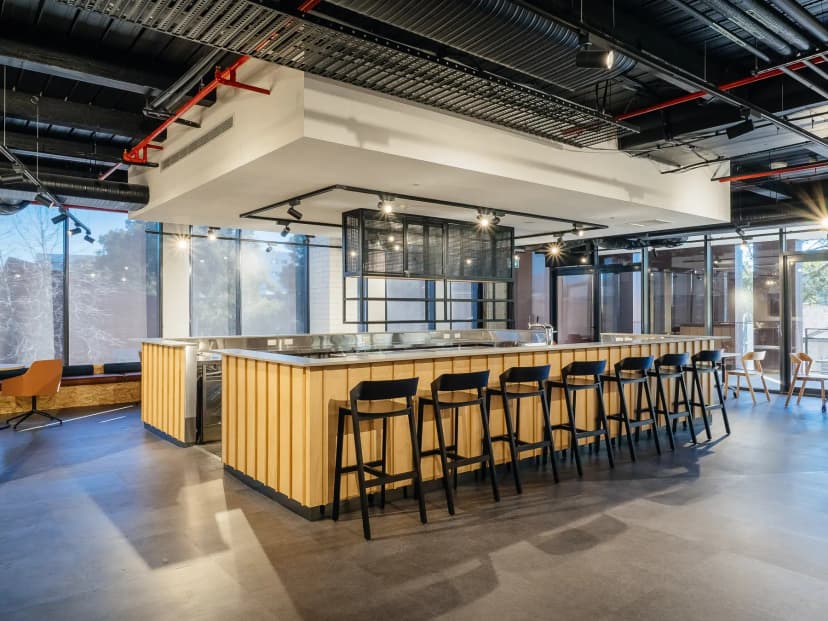
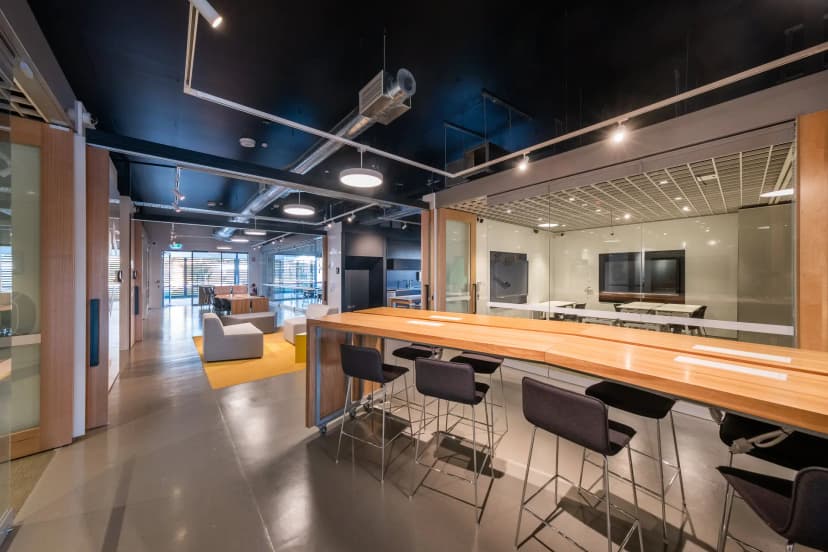
The genuine advantages of an open plan office are well documented. Easier collaboration and spontaneous communication between teams. Better space efficiency, with more desks per square metre. Lower build cost, typically $450 to $700 per sqm. And better natural light distribution across the floor plate, since there are no walls blocking windows.
The disadvantages deserve equal weight. Noise and visual distractions reduce focused work, privacy is limited for HR or client conversations, and phone-heavy roles suffer. Acoustic treatment can narrow the cost gap, so it should be scoped upfront rather than treated as an afterthought.
For industrial businesses, open plan needs careful thought. Admin areas in warehouses can suffer from operational noise through walls and ceilings. It works best for dispatch and coordination teams that need constant, real-time communication.
HBR found open offices may reduce face-to-face interaction rather than increase it. People often compensate with headphones and email, so do not assume open plan automatically improves teamwork.
If open plan is the right direction for your team, see how our open plan office fitout service works.
Partitioned Offices: What You Actually Get
Partitioned layouts cost more to build, typically $700 to $1,200 per sqm depending on partition type. Glass, plasterboard, and demountable systems each sit at different points on that range. But the investment buys real functional benefits that open plan cannot replicate.
The advantages are significant for the right business: acoustic privacy, confidential meeting space, and better control of temperature and lighting. Better separation from warehouse or factory noise is more than comfort in industrial settings. Safe Work Australia's workplace noise guidance can help teams assess noise exposure and controls.
Partitions do more than shape the floor plan. Site offices need separation from production noise, clean rooms need physical barriers, and admin areas beside factory floors often rely on partitions for acoustic control and compliance.
The disadvantages matter too: higher build cost, reduced natural light in deep floor plates, lower flexibility for growth, and a real risk of siloed teams when everyone is behind closed doors.
Demountable partitions offer a middle ground on cost and flexibility compared to fixed plasterboard walls. They can be relocated as teams change, which reduces the long-term cost of reconfiguration.
If partitions are the right fit, explore our office partition solutions.
Side by Side Comparison
This table compares the two approaches across the factors that matter most during planning.
| Factor | Open plan | Partitioned |
|---|---|---|
| Build cost per sqm | $450 to $700 | $700 to $1,200 |
| Acoustic privacy | Low without treatment | High |
| Natural light | Excellent distribution | Reduced in deep floor plates |
| Flexibility for growth | High, easy to reconfigure | Lower, walls limit changes |
| Collaboration ease | High for spontaneous interaction | Lower, requires intentional effort |
| Fitout timeline | Shorter, less wall construction | Longer, more trades involved |
| Disruption during install | Lower | Higher |
| Best suited work types | Coordination, dispatch, creative teams | Focused work, confidential, phone-heavy |
Pricing varies significantly by fitout tier and finishes. For a detailed fitout cost breakdown, see our Sydney-specific pricing guide.
The Hybrid Option: Combining Both Layouts
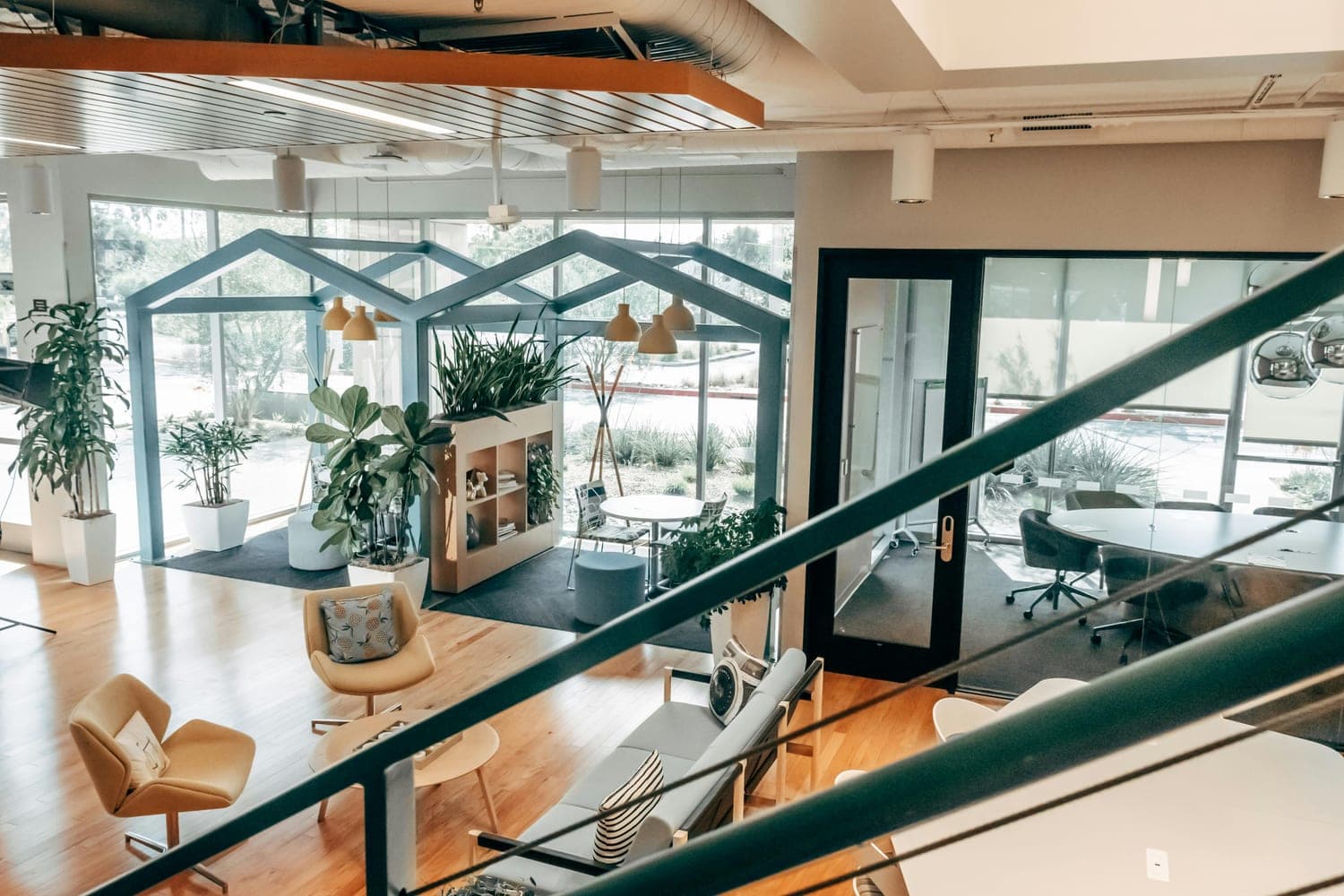
Hybrid layouts combine open plan zones for collaborative teams with enclosed meeting rooms, phone booths, and focus pods. It is the third option many businesses end up choosing once they realise neither extreme fits perfectly.
The practical benefit is that you allocate space based on actual work patterns rather than committing entirely to one philosophy. Your dispatch team gets the open floor they need. Your accounts team gets enclosed space for focused work. Meeting rooms handle confidential conversations without pulling people off the floor.
Hybrid approaches can also be phased in during a refit, which reduces disruption to operations. Staged delivery and after-hours work keep your business running while the build progresses. Our hybrid office refurbishment guide covers this approach in detail.
The build is more complex because it blends open plan and partitioned elements. A single project manager keeps sequencing, trades, and communication aligned.
If you are converting an existing layout to hybrid, our office refit service is designed for exactly that scenario.
What Drives the Real Cost Difference
The headline numbers are straightforward: open plan runs $450 to $700 per sqm, while partitioned layouts run $700 to $1,200 per sqm. The real cost difference is rarely that simple.
Open plan blowouts usually happen when acoustic solutions are added after occupancy. A $500/sqm build can become closer to $650/sqm once panels, baffles, and carpet tiles are retrofitted, with extra disruption on top.
Partitioned blowouts usually come from upgraded partition specs and services routing. Standard plasterboard can become glass with integrated blinds, and each wall may need power, data, and HVAC adjustments.
Fixed-price quotes manage this risk regardless of layout choice. You know the total before work starts, with no hidden surprises.
For partitioned layouts that trigger compliance requirements, expertise in local council approvals matters. Some configurations may need DA or CDC, and mistakes add weeks. For a full breakdown of pricing tiers, see our guide to commercial office fitout costs in Sydney.
How do you decide which office layout fits your business?
Use these five factors to choose based on real business needs.
- 1. Team size: How many people now, and how many in two to three years? Fast growth favours open plan flexibility. Stable teams may get better long-term value from partitions.
- 2. Work type: Is the work collaborative, focused, or mixed? A 20-person logistics admin team beside dispatch has different needs than a 40-person accounting firm. Match the layout to the work, not the trend.
- 3. Client privacy: Do clients visit, or do you discuss confidential information? Enclosed meeting rooms are non-negotiable, whether the wider layout is partitioned or hybrid.
- 4. Noise exposure: How close is the office to warehouse or production operations? Open plan admin areas beside a busy warehouse will struggle without serious acoustic planning.
- 5. Budget: What can you invest per sqm, including furniture and acoustic treatment? A $600/sqm open plan build plus $100/sqm acoustic treatment can match a basic partitioned layout.
If most of your answers point in one direction, that is likely the right layout. If they are split, a hybrid approach is worth exploring.
These decisions are best made during design with professional input. The Stemar Group office fitout team in Sydney is based in Wetherill Park, in the heart of Sydney's industrial heartland, and understands the operational context that industrial businesses deal with. Layout decisions are discussed directly with the owner, not a sales rep.
Frequently Asked Questions
Is open plan always cheaper than partitioned?
Lower build cost per sqm, yes. But acoustic treatment and furniture can narrow the gap. A well-specified open plan fitout can approach the cost of a basic partitioned layout.
Can I convert my partitioned office to open plan, or vice versa?
Yes. Removing partitions to create open plan is generally simpler than adding them. Demountable partitions make future changes easier, and staged or after-hours work can keep operations running during the conversion.
What about noise from the warehouse or factory floor?
Both partitions and acoustic treatments help, but the right solution depends on the noise source and office location. Offices beside production areas may need acoustic insulation in ceilings and walls, while quieter areas may only need standard treatment.
Is open-plan vs partitioned the same as open-plan office vs cubicle, or open-plan vs private office?
Not exactly. Cubicles are one form of partitioned workspace, while private offices, meeting rooms, focus rooms, and demountable walls also sit within the broader partitioned category.
Not sure which layout suits your team?
Choosing a layout is easier when someone who has built both can walk through your space and understand how your team works. Stemar Group office fitout in Sydney specialists can assess your space, team dynamics, and budget, then recommend the right approach with a fixed-price quote.
If you have already decided, explore our open plan fitout services or office partition services.
If you want guidance first, Book a consultation with Stemar Group, office fitout in Sydney specialists, and get it right from the start.