Looking to redesign your workspace with an open plan office layout? Whether you're a growing startup or a large corporate team, open plan office design offers a smart, flexible, and collaborative environment that supports modern work styles. In Australia, the trend toward open and hybrid workspaces has accelerated in recent years, making thoughtful office layout more important than ever.
At Stemar Group, we specialise in high-performance commercial office fitouts across Australia, with tailored solutions that balance aesthetics, functionality, and employee wellbeing. This guide will walk you through everything you need to know about open plan office design, from layout strategies and benefits, to challenges and real-world examples to help you create a space that's not just beautiful, but built for productivity.
What is Open Plan Office Design?
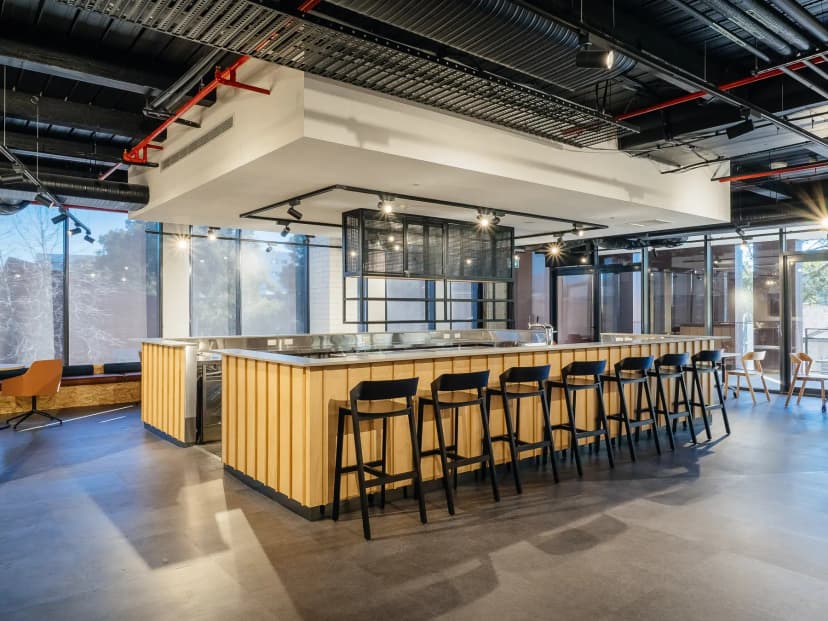
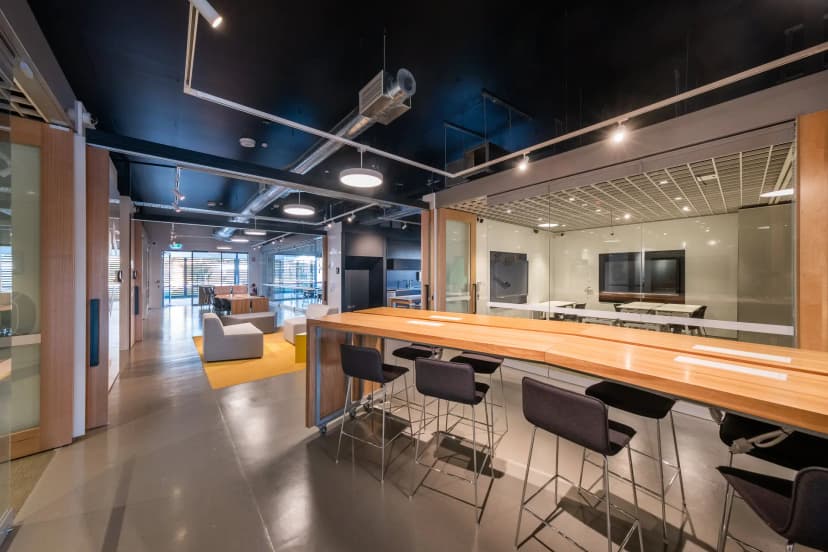
Open-plan office design is a layout approach in which walls and individual offices are minimised, creating a shared, flexible environment where employees work in a common space. Instead of private cubicles or enclosed rooms, workstations are arranged to encourage openness, visibility, and communication.
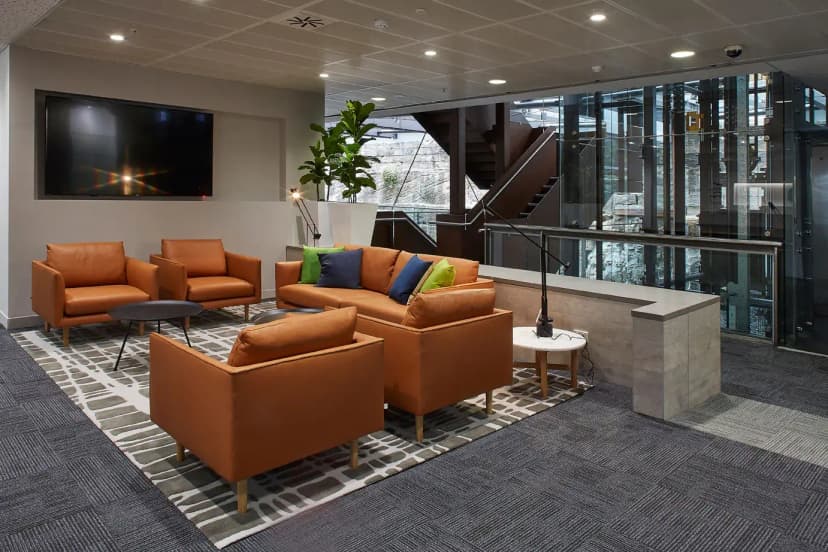
Open plan design doesn't mean "one big noisy room." In modern commercial office fitouts, the most effective open offices combine zoned spaces, acoustic design, movable furniture, and breakout areas to balance openness with functionality. The best open plan layouts also incorporate natural light, biophilic elements, and areas for focus work, ensuring the space feels human and productive.
At Stemar Group, we design open plan office layouts tailored to your business objectives, culture, and future growth, whether you need a fully open collaborative space or a hybrid layout with quiet zones and hot-desking areas.
Benefits of Open Plan Offices for Australian Companies
Open plan office design offers several key advantages, making it a popular choice for Australian businesses. Here's why:
- Enhanced Collaboration & Communication: Open-plan layouts have been shown to significantly boost collaboration. A Steelcase study found that 73% of employees in open-plan offices reported higher levels of collaboration and communication than those in traditional office setups. This increased communication boosts creativity and problem-solving, both crucial to team success.
- Space Efficiency and Cost-Effectiveness: According to JLL's 2021 report, businesses can reduce office space costs by up to 30% by adopting open plan designs, as it allows companies to use space more efficiently. By minimising the number of walls and partitions, open offices accommodate more employees in a smaller footprint, reducing both rent and construction costs.
- More Natural Light and Airflow: A study by Human Spaces found that 58% of workers with access to natural light in their offices reported being more productive and more satisfied with their workspace. Additionally, natural light improves overall employee wellbeing, with studies linking exposure to daylight to better sleep, mood, and energy levels.
- Flexibility and Adaptability: Open-plan designs are easy to reconfigure, making them adaptable to growing teams or changing business needs, and they are well-suited to hybrid or flexible work models.
- Supports a Flat Hierarchy: By removing physical barriers, open plans promote transparency and equality, making it easier to access leadership and fostering a more inclusive culture.
Common Challenges of Open Plan Offices (And How to Solve Them)
While open plan office design offers significant advantages, it's not without its challenges. Businesses considering an open office layout should be aware of potential drawbacks and plan for solutions that mitigate them. Here are some of the most common challenges faced in open plan environments, and how Stemar Group helps clients address them:
1. Noise and Distraction
In open-plan offices, noise can be a significant issue, causing distractions and reduced productivity.
Solution:
- Use acoustic panels and soft materials (like carpets) to absorb sound.
- Create quiet zones or focus pods for uninterrupted work.
2. Lack of Privacy
Without walls, maintaining privacy for calls or confidential meetings can be difficult.
Solution:
- Add privacy pods or movable partitions for private spaces.
- Use sound masking to reduce background noise.
3. Mental Fatigue
Constant noise can cause stress and mental fatigue, reducing employee satisfaction.
Solution:
- Designate quiet rooms for focused work.
- Use natural elements, such as plants, to create a calming atmosphere.
4. Health and Safety
In response to the COVID-19 pandemic, businesses in Australia are adapting their office spaces. According to a Knight Frank study, 73% of Australian businesses have invested in upgrading HVAC systems and improving airflow to ensure safety and comfort in open plan environments. This helps mitigate the spread of airborne illnesses while maintaining a collaborative space.
Solution:
- Improve HVAC systems for better air quality.
- Use flexible workstations and provide hygiene stations.
Types of Open Plan Office Layouts
When designing an open plan office, there's no one-size-fits-all solution. The key to success lies in tailoring the layout to fit your company's unique needs, culture, and work styles. Here are the most popular types of open plan office layouts, each offering a different way of supporting collaboration, productivity, and employee well-being:
1. Fully Open Layout
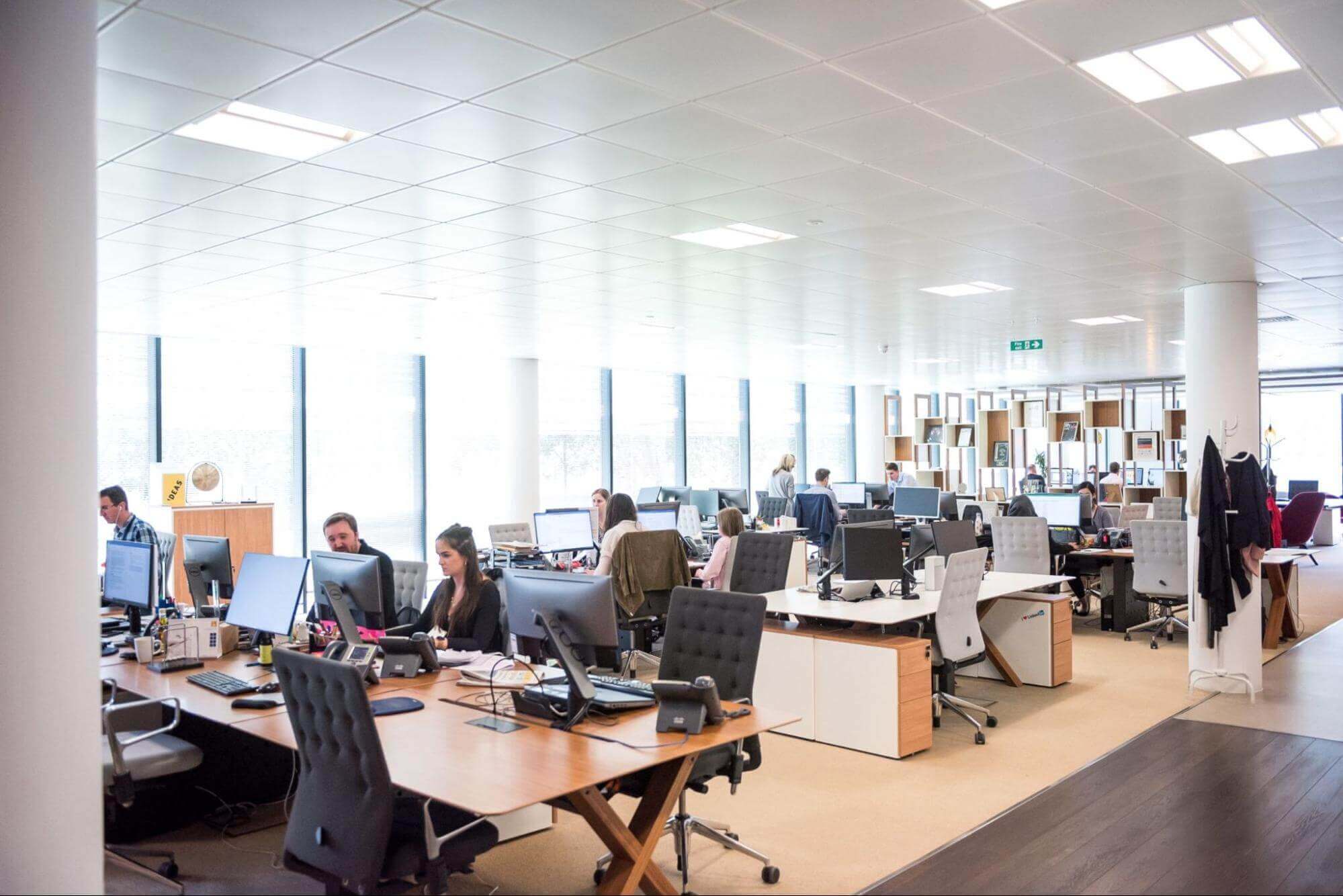
The fully open plan is the most classic form of open office design, where the entire workspace is shared and divided only by desks or workstations. This layout promotes a high level of visibility and interaction, making it ideal for businesses that thrive on constant communication and collaboration.
Pros:
- Maximises space and increases the number of people per square metre
- Encourages spontaneous collaboration and idea sharing
- Supports fast-paced, dynamic teams
Challenges:
- Can be noisy, leading to distractions and decreased concentration
- Limited privacy for confidential conversations or focused work
Best For:
- Creative agencies, startups, or tech companies that need continuous communication and agile workflows.
2. Team-Based Layout
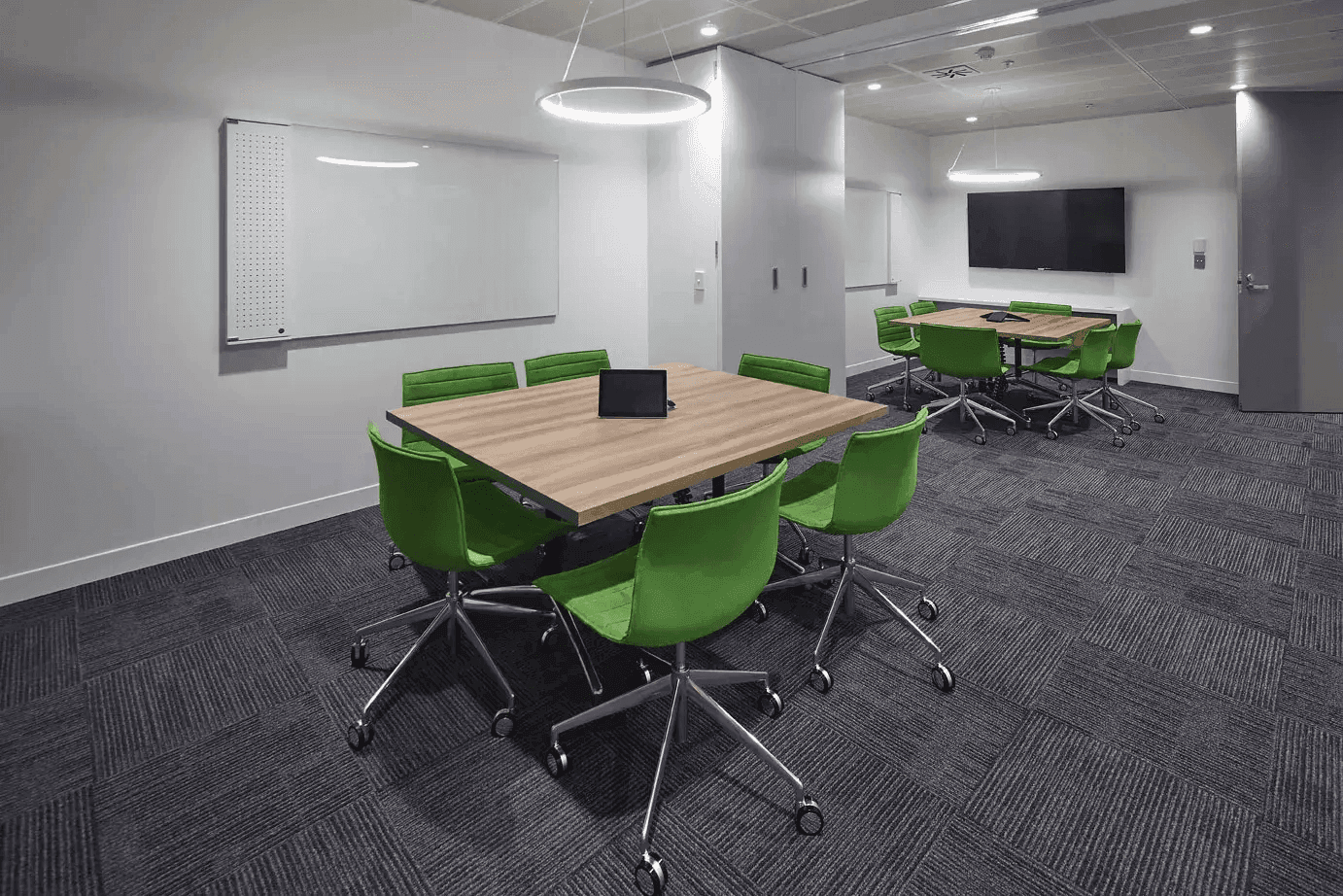
In a team-based open plan layout, workstations are grouped together according to team or department. This layout strikes a balance between an open environment and the need for focused, team-centric work. It works well for companies where collaboration is key but employees also require a sense of belonging and focus within their team.
Pros:
- Fosters team collaboration while providing clearer divisions between departments
- Allows teams to collaborate more effectively within their own space
- Easier to manage noise levels within each team's designated area
Challenges:
- Cross-team collaboration can be less spontaneous
- Could lead to a feeling of isolation for employees outside of the main team zone
Best For:
- Mid-sized companies and businesses that have clear departmental structures, such as marketing teams or IT departments.
3. Activity-Based Working (ABW)
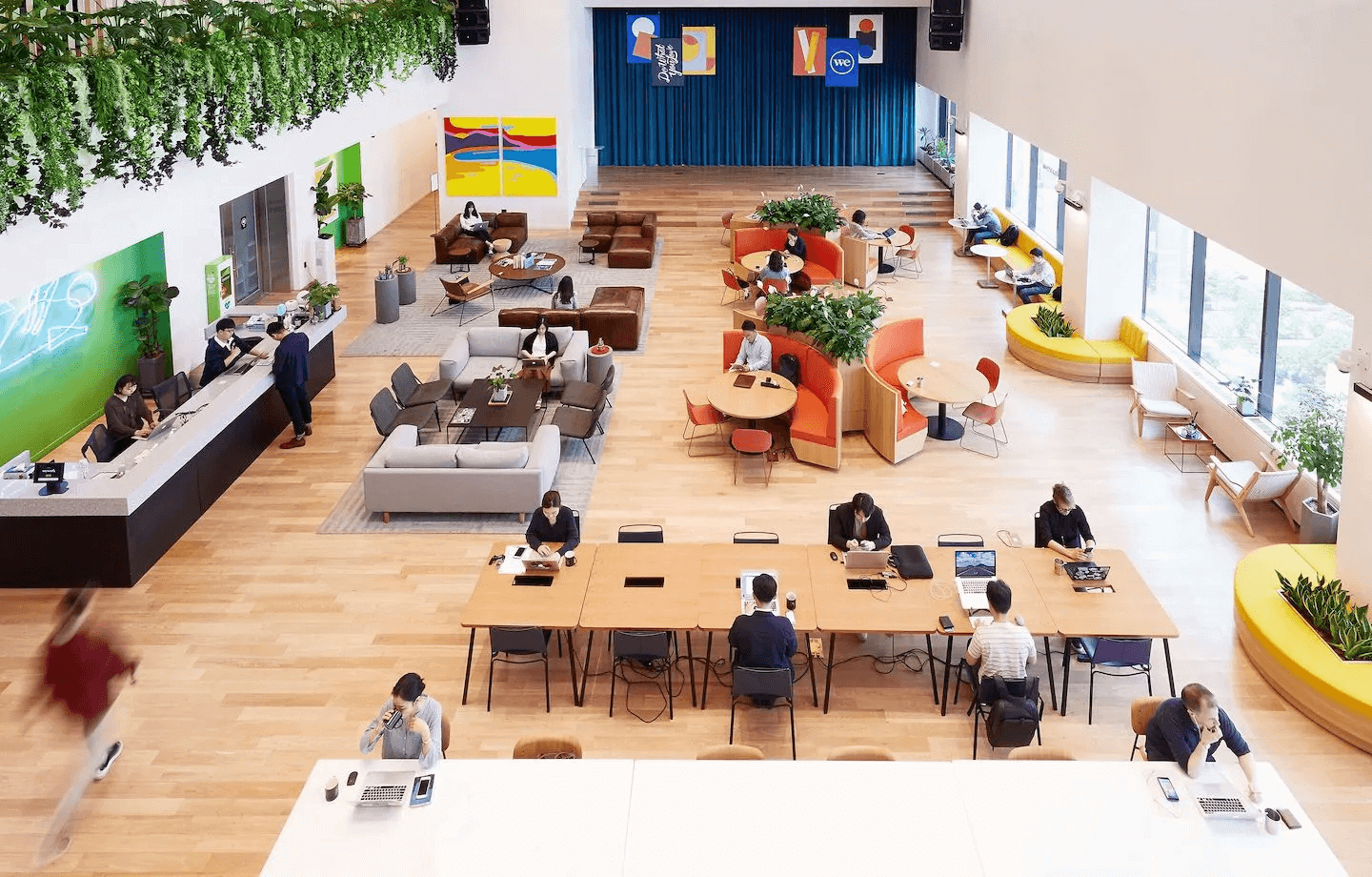
Activity-Based Working is a flexible, employee-driven layout where workers choose spaces according to the tasks they need to accomplish. Whether it's a collaboration space, quiet zone, or meeting room, employees have the freedom to move around and choose the best environment for their work, depending on their needs at any given moment.
Pros:
- Provides variety and flexibility for employees to work in different ways
- Encourages a culture of trust and autonomy
- Reduces the need for personal desks and supports hot-desking and remote working
Challenges:
- Needs careful management of space and resource allocation
- Employees may feel disoriented or lack consistency in where to work
Best For:
- Companies with flexible or hybrid working models, such as consultancies, tech firms, and creative agencies.
4. Hybrid / Flexible Desk Layout
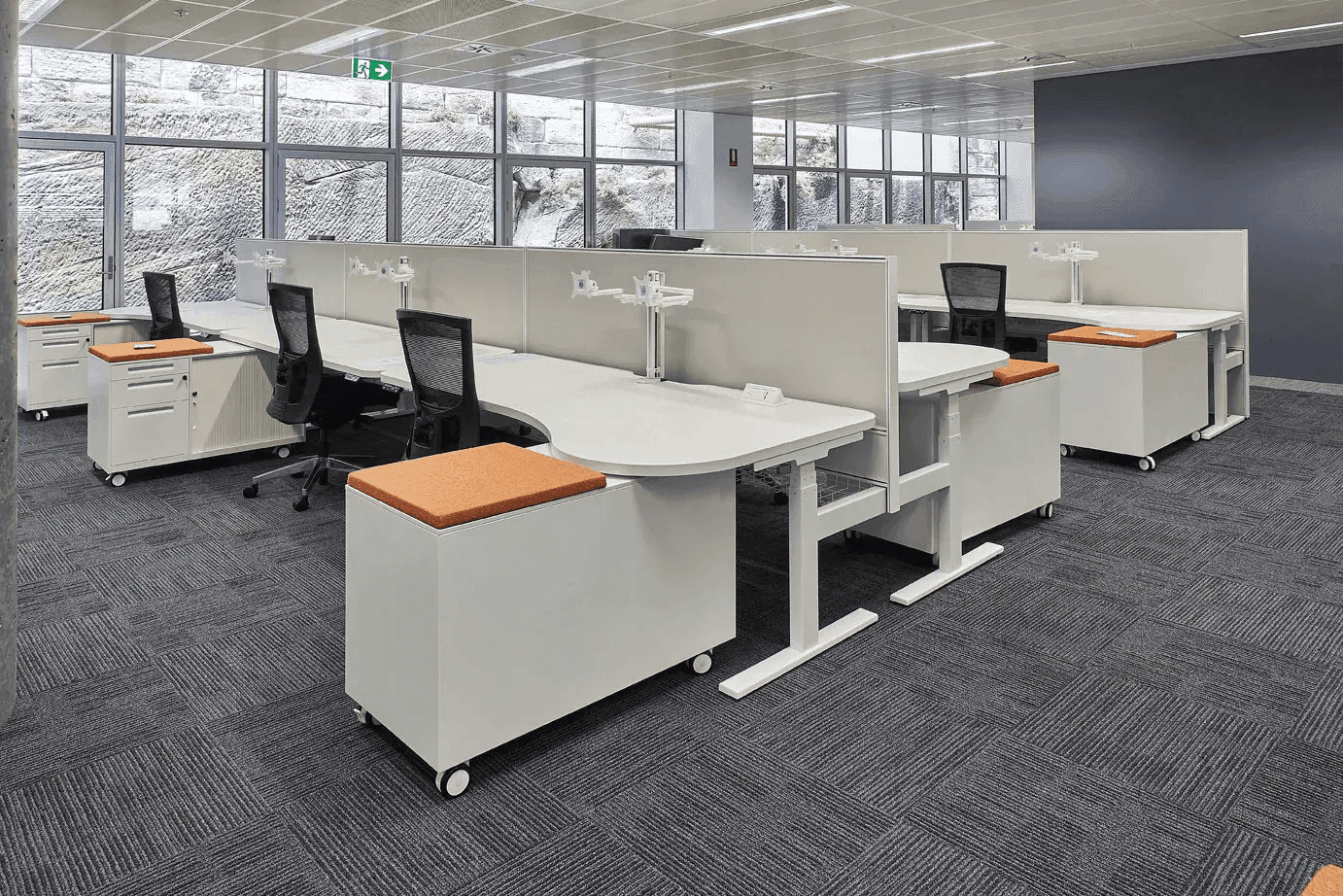
A hybrid or flexible desk layout combines elements of open plan and activity-based working, where employees have the option to either reserve desks or work at any open desk available. This flexible approach can also incorporate hot-desking and shared meeting areas, making it ideal for companies that support a hybrid work environment.
Pros:
- Reduces the need for dedicated desks, making the office more space-efficient
- Ideal for hybrid work models where employees split time between home and the office
- Encourages employee autonomy and empowerment to choose their workspaces
Challenges:
- Can create confusion or lack of consistency, as employees may struggle to find their preferred spaces
- Potentially increases noise levels in a shared workspace
Best For:
- Companies with remote or hybrid teams, like large organisations and those in financial services, tech, or consultancy industries.
Why Open Plan Works Here
Open plan office design is increasingly popular across Australia, and here's why it works so well in the local context:
- Team-Oriented Culture: Australian businesses value teamwork and open communication. Open plan offices support this by encouraging collaboration and spontaneous interaction between employees, helping foster a more connected and agile work culture.
- Real Estate Efficiency: With high real estate costs in cities like Sydney and Melbourne, open plan offices are a cost-effective solution. They maximise space, allowing more employees to work in the same area, making it ideal for businesses looking to optimise their office footprint.
- Hybrid and Flexible Work Models: Post-pandemic, many Australian companies have adopted hybrid work models. Open plan layouts, with hot-desking and shared spaces, are perfect for these flexible environments, accommodating employees who come into the office on different days.
- Employee Wellbeing: There's a strong focus on employee wellbeing in Australia. Open plan spaces can incorporate biophilic design elements like natural light and plants, improving health, reducing stress, and boosting productivity.
- Sustainability and Compliance: Open plan offices also align with sustainability goals and building regulations, helping businesses meet environmental and health standards while creating an efficient and comfortable workspace.
Design Principles for a Successful Open Plan Fitout
Creating a successful open plan office requires thoughtful design and planning to ensure the space is both functional and conducive to employee wellbeing. Below are the key principles that Stemar Group follows to ensure every open plan fitout is optimized for productivity, collaboration, and comfort.
1. Zoning for Functionality
Zoning is one of the most important elements of a well-designed open plan office. Although the space is open, it's crucial to create designated areas that cater to different work activities. Effective zoning ensures that teams can collaborate when necessary, while also providing quiet spaces for focused work. In an open plan layout, businesses often designate specific zones for:
- Collaboration Areas: These are informal spaces for team brainstorming sessions, meetings, or creative discussions.
- Quiet Zones: Areas for employees who need to focus, free from distractions. These can be acoustic pods or focus rooms.
- Breakout Spaces: Informal spaces where employees can relax, socialize, or engage in casual conversations.
- Private Rooms: Smaller, enclosed rooms for phone calls or confidential meetings.
By creating these distinct areas, open plan offices can cater to both collaborative work and individual tasks.
2. Acoustic Design
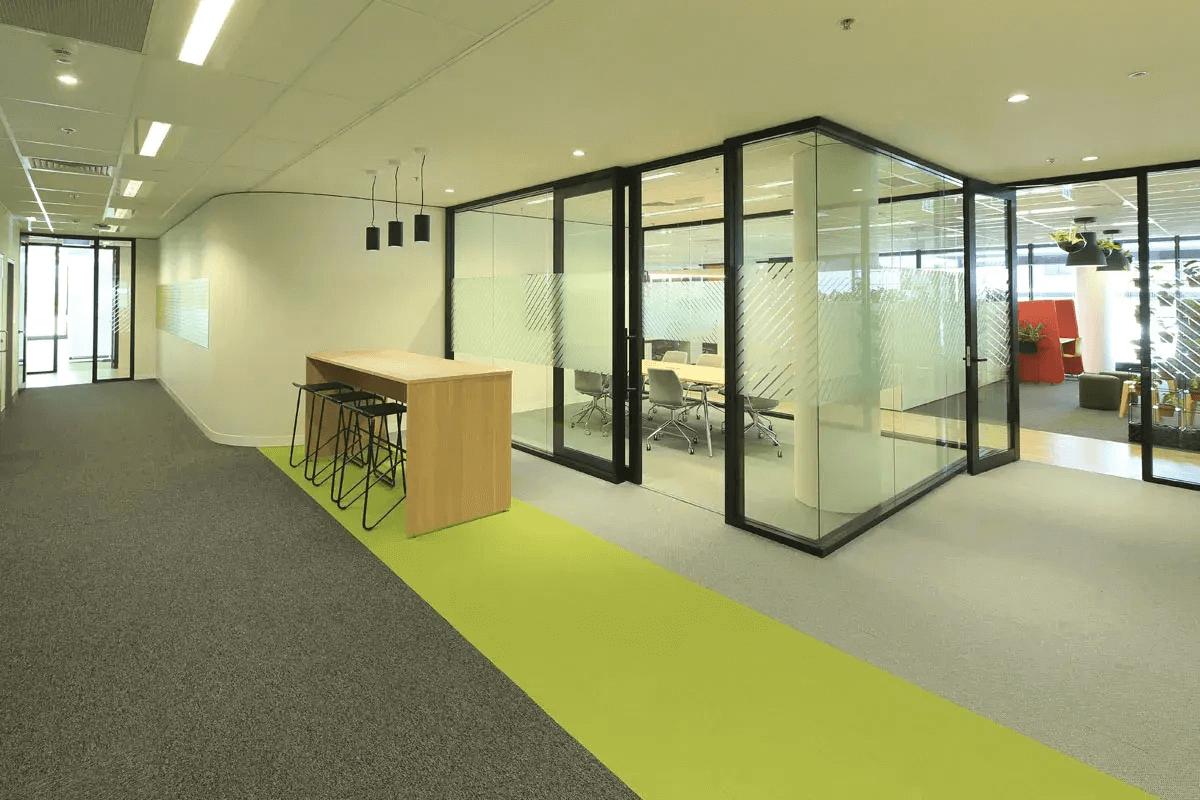
One of the biggest challenges in open plan offices is managing noise levels. Without proper acoustic treatments, noise can travel freely and lead to distractions, reduced productivity, and even employee dissatisfaction. Incorporating acoustic design into an open plan office helps mitigate these issues. Here are a few strategies:
- Acoustic Panels: These are placed on walls or ceilings to absorb sound and reduce reverberation.
- Carpeting and Soft Materials: Soft materials like carpets, cushions, and fabric-covered furniture can help absorb sound.
- Sound Masking: Using white noise or sound masking systems can help reduce the impact of background chatter and improve concentration.
At Stemar Group, we ensure that every office fitout incorporates a tailored acoustic solution that addresses your specific office layout and needs.
3. Biophilic Design and Natural Elements
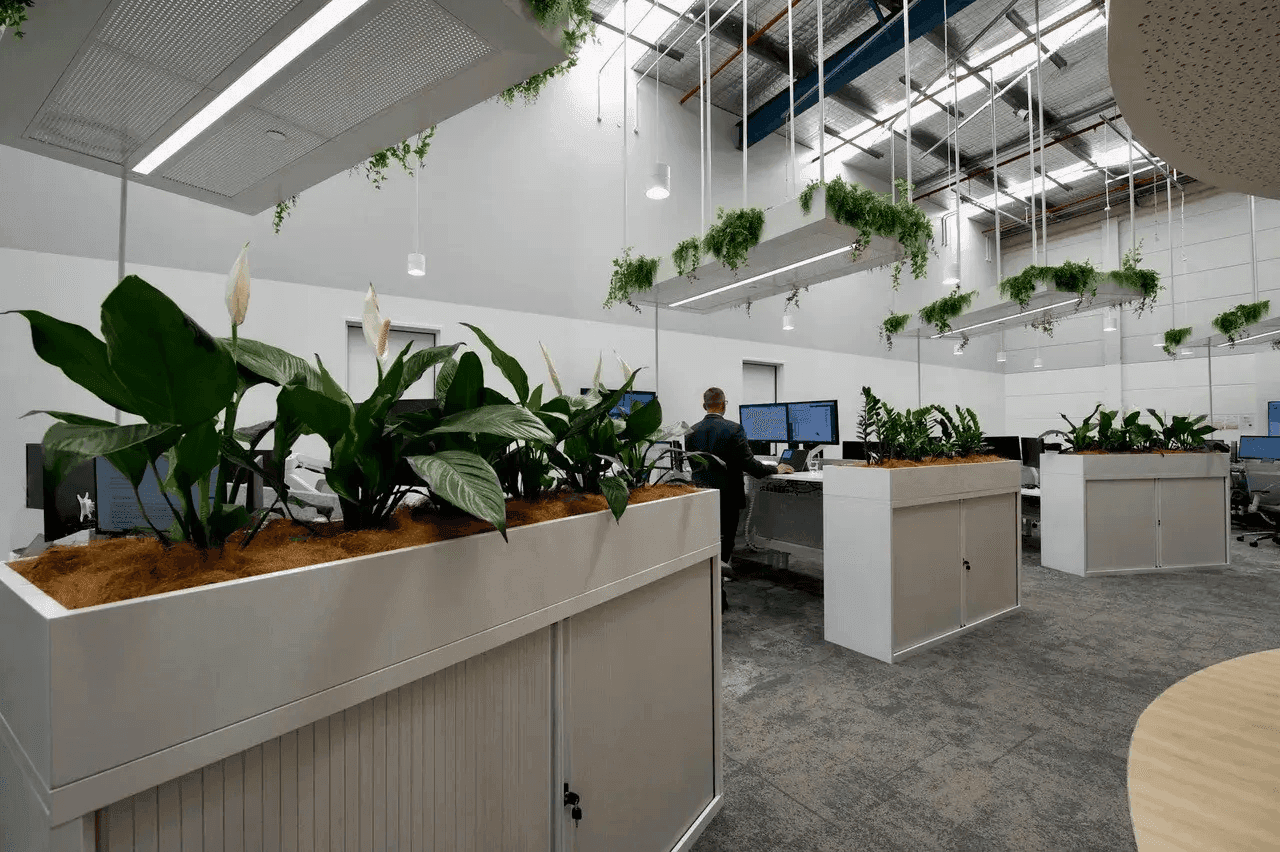
Incorporating elements of nature into office design, known as biophilic design is a growing trend in Australia. Biophilic design not only enhances the aesthetic appeal of an office but also improves the health and wellbeing of employees. Some biophilic design features to consider include:
- Indoor Plants: Strategically placing plants around the office can reduce stress, improve air quality, and enhance the overall office atmosphere.
- Natural Light: Maximising the use of natural light in your office space can increase productivity, improve mood, and reduce eye strain.
- Natural Materials: Wood, stone, and other natural materials can be incorporated into furniture and finishes to create a warm, inviting space.
These elements help create an office environment that feels more connected to nature, which can lead to happier, more productive employees.
4. Ergonomics and Comfort
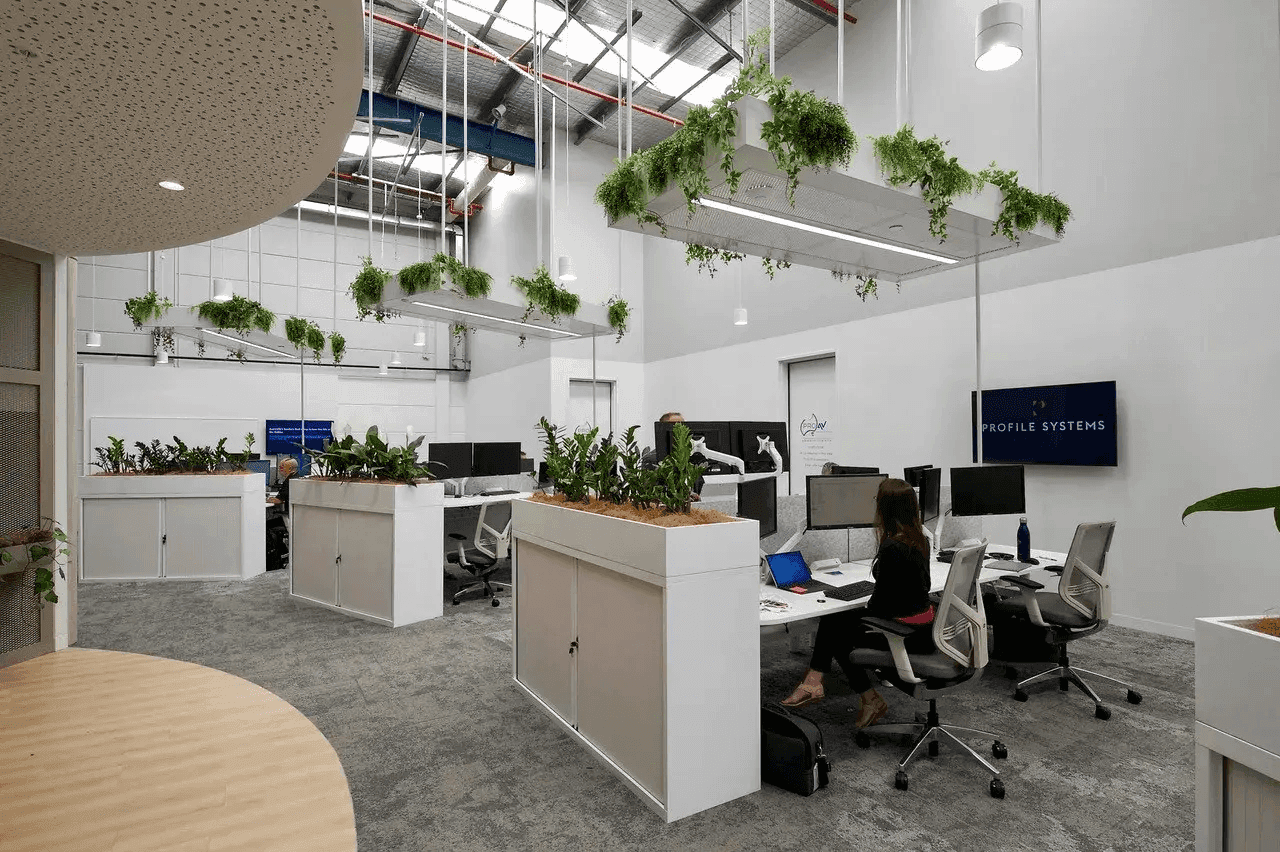
An open plan office design should support ergonomic principles to ensure that employees are comfortable and healthy throughout the day. Poorly designed workstations can lead to discomfort, fatigue, and even long-term health issues like back pain or eye strain. Here are a few ergonomic considerations for open plan office fitouts:
- Adjustable Desks: Height-adjustable desks allow employees to alternate between sitting and standing, promoting better posture and reducing the risk of musculoskeletal problems.
- Ergonomic Furniture: High-quality, ergonomic chairs with lumbar support, adjustable armrests, and seat depth adjustments are essential for employee comfort.
- Monitor Placement: Desk setups should allow for proper monitor height and viewing angles to reduce strain on the eyes and neck.
At Stemar Group, we ensure every workstation is set up to prioritize comfort, helping employees stay productive and avoid health problems.
5. Smart Technology Integration
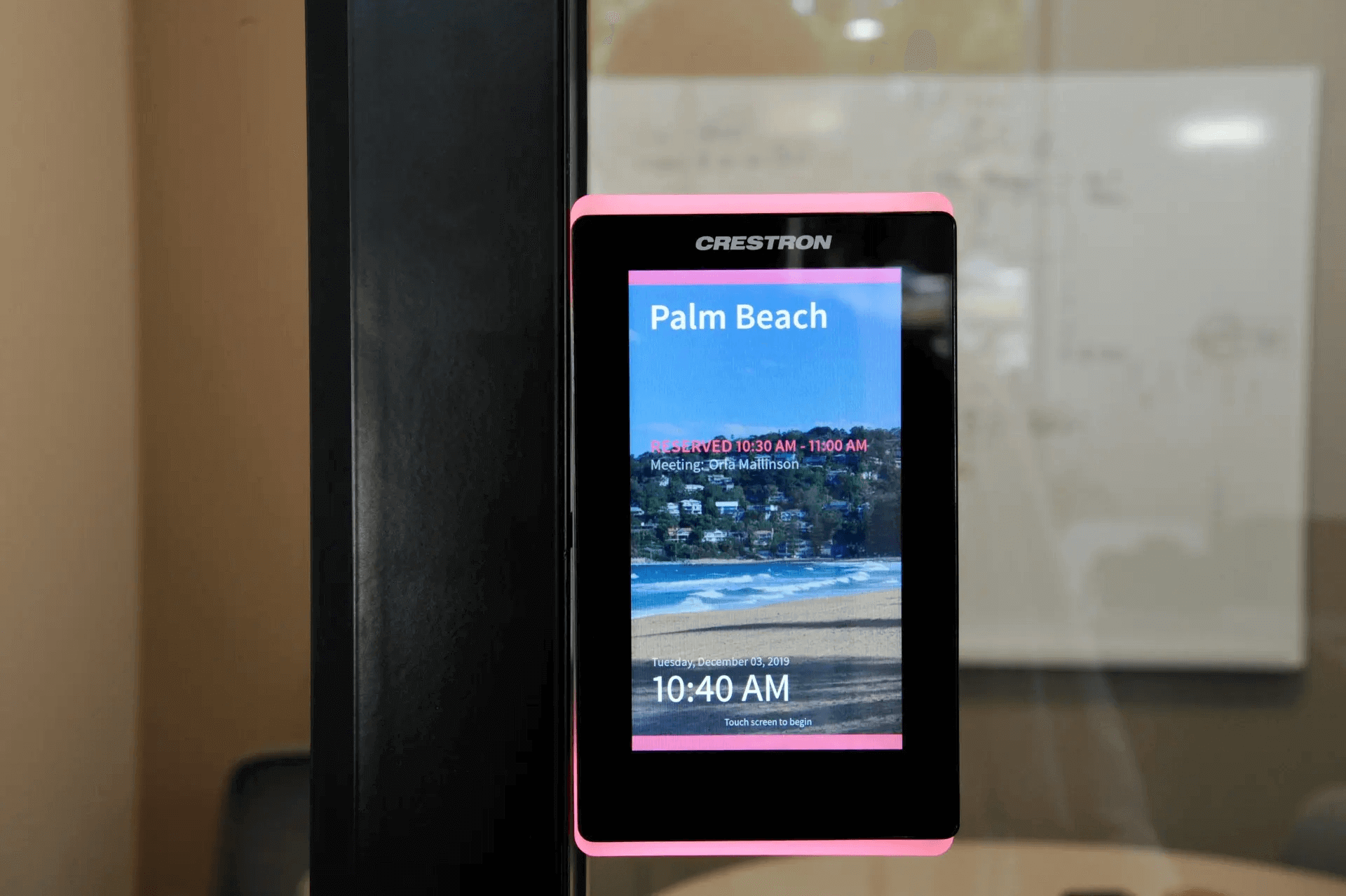
Technology plays a vital role in modern office environments, especially when supporting hybrid work models. Smart office technology can help streamline processes, improve efficiency, and create a more seamless work experience. Key technologies to consider in your open plan office design include:
- Room Booking Systems: To ensure meeting spaces are always available when needed, integrated room booking systems can help employees book spaces in advance.
- Smart Lighting: Adaptive lighting systems that adjust based on the time of day or occupancy can help reduce energy consumption and improve the office environment.
- Wireless Charging: Conveniently located wireless charging stations for mobile devices ensure that employees don't need to search for outlets throughout the office.
Smart technology not only makes the workplace more efficient but also enhances the overall employee experience by providing a seamless, future-ready environment.
Case Study of Open Plan Offices in Australia
To truly understand the potential of open plan office design, let's look at some real-world examples from Australia. These case studies showcase how businesses across various industries have successfully implemented open plan layouts, and the positive impact on employee collaboration, wellbeing, and productivity.
Case Study 1: Sydney Tech Startup
Challenge:
A fast-growing tech startup in Sydney was struggling with communication bottlenecks. The company had outgrown its small office, and the current layout of cubicles was preventing teams from collaborating efficiently.
Solution:
Stemar Group redesigned the office with an open plan layout that included team-based zones for developers, marketers, and designers. The design also incorporated acoustic pods for private calls and video conferences, while the central area was transformed into a collaborative space with flexible desks. The open plan also featured biophilic design elements, such as plants and natural wood finishes, to create a calm and welcoming atmosphere.
Results:
- Increased communication and collaboration across teams.
- Higher employee satisfaction, with fewer complaints about noise and lack of privacy.
- Enhanced company culture, with employees reporting a stronger sense of connection to each other.
Case Study 2: Brisbane Corporate Office
Challenge:
A corporate client based in Brisbane had an outdated office that was no longer meeting the needs of their employees. The office layout was inefficient, with wasted space, poor airflow, and low employee engagement. The client needed a more modern and flexible work environment.
Solution:
Stemar Group implemented a hybrid office layout, combining elements of open plan design with quiet areas and private meeting rooms. The office featured ergonomic workstations, height-adjustable desks, and integrated technology for hybrid meetings, allowing employees to collaborate seamlessly in person or remotely. The space also included sustainable design features like energy-efficient lighting and the use of recycled materials for furniture.
Results:
- Improved employee productivity and satisfaction.
- A more energy-efficient office that aligned with the company's sustainability goals.
- Enhanced collaboration between departments and between in-office and remote teams.
Check our project for more details about case study from Stemar Group.
Is Open Plan Right for Your Business?
Open plan office design works well for many businesses, but it's important to assess whether it aligns with your needs. Here are some factors to consider:
When Open Plan Design Works Best
Open plan office layouts are ideal for businesses where collaboration, innovation, and team synergy are paramount. If your company values communication, agility, and flexibility, an open office design might be the perfect fit. Here are some scenarios where open plan designs excel:
- Creative Industries: Ideal for agencies, design firms, and marketing teams that benefit from constant collaboration and brainstorming.
- Tech and Startups: Offers flexibility and scalability for fast-growing teams, enabling collaboration across departments.
- Hybrid Teams: Works well for companies with flexible, hybrid work models, allowing for hot-desking and adaptable spaces.
- Small to Medium Businesses: Maximises office space, reduces costs, and enhances team communication.
When to Consider Alternatives to Open Plan
Open plan layouts aren't always suitable for every business. There are certain situations where a different office design might better meet your needs. Consider these scenarios where you might want to rethink an open plan design:
- Sensitive Work: For industries dealing with confidential information (legal, financial), open layouts may not offer enough privacy.
- Noise Sensitivity: If your team needs quiet spaces for focused work, open plan might be disruptive without careful acoustic design.
- Introverted Teams: For employees who prefer solitude, private areas and quieter workspaces may be more effective.
- Structured Roles: If your work is more isolated and doesn't require constant collaboration, a more traditional office setup might suit better.
Tip: When planning an open plan office, it's essential to balance flexibility with the need for privacy and quiet zones. For example, creating a layout with collaborative zones and private focus rooms can help address various work styles and tasks. With the right design elements, open plan offices can work for nearly any type of business.
FAQs About Open Plan Office Design
If you're considering an open plan office for your business, you may have some questions. Here are answers to the most common inquiries to help guide your decision-making process.
Q: What is the best office layout for a startup or small business?
For startups and small businesses, an open plan office is often the ideal choice. It encourages collaboration, flexibility, and cost efficiency, making the most of available space while fostering easy communication and idea sharing among teams.
Q: How can I manage noise in an open plan office?
Noise can be a challenge in open plan layouts, but there are solutions to manage it:
- Acoustic panels can absorb sound and reduce noise reverberation.
- Privacy pods and quiet zones provide areas for focused work.
- Sound masking technology can neutralise background noise, improving concentration.
Q: How do I maintain privacy in an open plan office?
While open plan designs remove physical barriers, you can still maintain privacy by adding:
- Privacy booths for confidential calls.
- Low partitions between desks to provide personal space without blocking light.
- Quiet areas are designed for focused work, reducing distractions from the main workspace.
Q: Is open plan design suitable for hybrid work models?
Yes, open-plan layouts are highly adaptable to hybrid work models. They can incorporate hot-desking, flexible seating, and collaborative spaces that allow employees to choose workstations based on daily needs.
Q: How much space should I allocate per employee in an open plan office?
Typically, 10-12 square metres per employee is recommended for an open-plan office. This ensures enough space for workstations, circulation, and comfort. If using hot-desking, you can reduce the space per person while maintaining a functional environment.
Q: What are the key design trends for open-plan offices in Australia?
Key trends in Australia include:
- Hybrid workspaces: Spaces that cater to both in-office and remote workers.
- Sustainable design: Eco-friendly materials, energy-efficient systems, and biophilic elements like plants and natural light.
- Employee wellbeing: Offices designed with comfort in mind, including ergonomic furniture and wellness zones.
- Smart technology: Integrated systems for room booking, lighting control, and hybrid meetings.
Conclusion
As open plan office design continues to evolve, businesses in Australia are embracing the flexibility, cost-effectiveness, and collaborative environment it offers. However, it's crucial to design the office with a strategic approach that balances openness with privacy, comfort, and productivity needs.
At Stemar Group, we specialise in designing open-plan office fitouts that align with your business goals, team culture, and employee wellbeing. Whether you're looking to create a fully open space or a hybrid layout with dedicated zones, we have the expertise to craft a workspace that supports your business now and into the future.
Ready to transform your office? Contact Stemar Group today for a consultation, and let us help you design an open plan office that fosters collaboration, innovation, and productivity.